Walls & Ceilings logo
search
cart
facebook twitter linkedin youtube youtube Spotify Podcasts Apple Podcasts Spotify Podcasts Apple Podcasts
  • Sign In
  • Create Account
  • Sign Out
  • My Account
Walls & Ceilings logo
  • NEWS
  • TOPICS
    • Drywall
    • Stucco/EIFS
    • Ceilings
    • Steel Framing
    • Fireproofing
    • Interior Plaster
    • Building Envelope
    • Insulation
    • Technology
    • Interior
    • Exterior
    • Women In Construction
  • COLUMNS
    • Up Front
    • All Things Gypsum
    • Art & Craft of Plastering
    • Stucco Stop
    • Steel Deal
    • Industry Voices
  • PRODUCTS
    • Buzz Guide
  • EVENTS
    • Industry Events
    • Webinars
    • BUILD Expo
  • MEDIA
    • Videos
    • Podcasts
    • Photo Galleries
    • BUILD26 Videos
    • Take our Quiz!
    • Infographics
  • EXCLUSIVE
    • Newsletters
    • Top 50 Contractors
    • Contractor of the Year
    • State of the Industry
    • W&C Store
    • Market Research
    • CEUs
    • Sponsor Insights
    • Custom Content & Marketing Services
  • DIRECTORY
  • EMAGAZINE
    • eMagazine
    • Advertise
    • Archive Issues
  • SIGN UP!

Acrylic Finish vs. Stucco Finish
By Mark Fowler
February 20, 2006


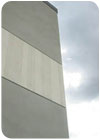
Integral colored cement finish can have a mottled finish that is often desirable by designers.

Portland cement plaster has traditionally been a three-coat cement system as described by all model building codes and now in the International Building Code. Within the last two decades, acrylic has become very popular as an alternative finish coat to the traditional Portland cement stucco finish. Both finish coats are excellent finish materials, can be integrally colored and are vapor permeable but this is where the similarities end.

As with most things in life, there are advantages and disadvantages to each material. The first important step is not to confuse the two finishes with each other. Stucco is defined by Webster's dictionary as "an exterior plaster made of cement, lime and sand." While stucco is a natural cement product, acrylic finish is a synthetic man-made coating. Stucco cures to a hardened state while acrylics dry to their final hardened state. This is a critical difference when considering environmental conditions during application.

Regions of Canada and the United States seem to have a preference to one or the other finish coat material for Portland cement plaster bases. For example, traditional stucco finishes are much more popular in Southern California, while acrylic finish coat is more popular in Seattle. Vancouver, B.C., seems to have a fair mix between acrylic and stucco.

Designers must choose which finish material is most appropriate for the building and best meets the desires of their client. A checklist of the desired aspects is one good way to help decide which material should be used.


Texture:

Cement finish has practically an unlimited variety of textures from smooth trowel, mission and Old English to a combed. While acrylics have some range of texture, most acrylics are applied in a sand finish texture and the wide-range of texture choices is not their strong suit.

Acrylics provide a more uniform color.

Color:

Acrylic finishes can come in just about any color imaginable and can be matched to almost any shade desired. The consistency of color is very good with acrylics, even in darker shades. Stucco, being cement based, can only hold so much pigment and dark tones are not recommended. Stucco works best in light pastel shades and some slight variation in color shade should be expected. This is particularly true with stucco sand-finish texture. Colored cement stucco can be "fog" coated, which is a good method to improve the color consistency.

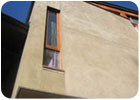
Sand finish appearance can vary with the size of aggregate chosen.

Application:

Acrylics dry from the outside in and can be sensitive to environmental conditions. Acrylic finish should not be applied in temperatures below 40 degrees F (4 degrees C). Sometimes, air circulation is more important for drying than temperature, especially in humid conditions. Cement stucco finish "cures," as opposed to drying and can be applied in temperatures as low as 35 degrees F (2 degrees C).

The Portland cement plaster basecoat must be cured a minimum of seven days before applying acrylic or stucco but a longer cure time is beneficial. It gives the building additional time to "find itself" or settle before the finish coat is applied. The Northwest Wall & Ceiling Bureau recommends, if possible, waiting 14 to 21days.


Light lace textures can be acrylic or cement finish.

Water Repellency:

Traditional cement stucco, like all cement products, will absorb surface moisture and darken when wet. Acrylics, similar to a nylon stocking, will repel surface moisture but moisture will pass through as a vapor. Acrylics should never be mistakenly used or sold as a method to "seal" the building from water intrusion. Properly applied Portland cement plaster basecoat will seal moisture out and be vapor permeable. It is advisable that finish coat materials, including paint, be a "breathable" membrane. Acrylic finish should never be used on flat surfaces or other areas of possible standing water, as they can soften with prolonged exposure to moisture. An advantage of acrylic finish is that they retain their color when wet and are particularly desirable in wet climates, again, not to seal but to stay one constant shade of color even when wet.

Many cement stucco manufacturers offer clear sealers that will provide the same water repellant benefit as acrylics. Most only last a year or two and may have to be reapplied every few years. This is a simple procedure and not very expensive.


Maintenance:

Both stucco and acrylic finish are relatively low maintenance and both can be painted when a change of color is desired. The life expectancy of a stucco finish coat has been proven to be several decades. Acrylics have been applied to cement basecoats in Seattle for more than 20 years and many of these original finish coats are holding up quite well.

Corner Beads:

The type of finish chosen will have an impact on the corner bead or corner aid that should be used. In particular, one should be concerned about the type of nose on the corner bead. Acrylics tend to work best with a PVC or plastic nose type of corner aid. The acrylic bonds to the plastic and it eliminates the rusting that can occur with wire nose beads and an acrylic finish coat. With traditional cement finish stucco, the nose should be wire. Cement will stick to the PVC but not bond. It will eventually pop off the corners. Also consider the PVC is flexible and the cement finish is not.
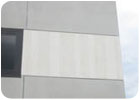
This unique combed texture is best done with a cement finish.

Closing Words:

Both finishes have strong points and limitations. No one product is the answer to all situations or projects. Designers and owners should look at a building with traditional stucco and one with an acrylic finish before making a final decision. Contractors, dealers and manufacturers should listen to the desires of the building owners and designers and try to find the product that is right for them. Contractors should learn to work with a variety of materials and not limit themselves to only what they feel is best for the customer. Only use recognized products by manufacturers with a proven track and service record. I recommend pre-manufactured (mill mixed) cement stucco finish coats over site mixed blends. The few pennies you might save are not worth the gamble of job-site blending. The NWCB publishes industry standards for proper application of both finish materials. Whether stucco or an acrylic finish is used, it is always important to follow manufacturers recommendations and guidelines.

If you read this article, please circle number 322.

Share This Story

Looking for a reprint of this article?
From high-res PDFs to custom plaques, order your copy today!

Headshots fowler

Mark Fowler joined Walls & Ceilings as editorial director in 2006. Fowler grew up in the construction business and has held a number of positions in different companies and associations. He spent 11 years with the Northwest Wall and Ceiling Bureau before moving to his position with Soltner Group Architects in Seattle. Fowler is currently the executive director of the Stucco Manufacturers Association. He can be reached at Mark@markfowler.org.


Recommended Content

JOIN TODAY
To unlock your recommendations.

Already have an account? Sign In

  • Abercrombie & Fitch

    EIFS in 2026: How Specialty Finishes Are Redefining Exterior Wall Systems

    As building codes, owner expectations, and design demands...
    Stucco/EIFS
    By: Regi Mendoza
  • proper air and vapor control

    From Energy Efficiency to Moisture Management: Why Air and Vapor Control Matter

    How proper air and vapor control within building...
    Building Envelope
    By: Benjamin Meyer AIA, LEED AP
  • Linear Metal Ceiling Beam Baffles

    Top 25 Ceiling Contractors of 2026

    Suspended ceilings demand precision, code compliance and...
    Ceilings
    By: John Wyatt and Tanja Kern
You must login or register in order to post a comment.

Report Abusive Comment

Manage My Account
  • eMagazine Subscription
  • Newsletters
  • Online Registration
  • Manage My Preferences
  • Subscription Customer Service

More Videos

Sponsored Content

Sponsored Content is a special paid section where industry companies provide high quality, objective, non-commercial content around topics of interest to the Walls & Ceilings audience. All Sponsored Content is supplied by the advertising company and any opinions expressed in this article are those of the author and not necessarily reflect the views of Walls & Ceilings or its parent company, BNP Media. Interested in participating in our Sponsored Content section? Contact your local rep!

close
  • medical professionals moving a patient on a stretcher through the halls of a medical building
    Sponsored byNational Gypsum Company

    What Does High Performance Mean When It Comes To Gypsum Boards?

Popular Stories

Linear Metal Ceiling Beam Baffles

Top 25 Ceiling Contractors of 2026

Wichita Biomedical Campus

Wichita Drywall Worker Dies After Scaffolding Fall

Construction workers in safety vests install drywall

Gypsum Sales Hold Amid Market Shifts in the U.S.

QXO Just Changed the Game-Here's What Contractors Are Asking

QXO Just Changed the Game-Here's What Contractors Are Asking

Events

June 24, 2026

The Bright Side & Benefits of Designing with Integrated Lighting

Credits 1 AIA LU/HSW; 0.1 ICC CEU

This course will explore the pivotal role architects and lighting design play in creating safer, more sustainable spaces. Learn how to avoid common lighting mistakes and make informed decisions that create the best visual environment for occupants. 

January 1, 2030

Webinar Sponsorship Information

For webinar sponsorship information, visit www.bnpevents.com/webinars or email webinars@bnpmedia.com.

See our full library of webinars

View All Submit An Event

Products

2026 National Painting Cost Estimator

2026 National Painting Cost Estimator

See More Products

Related Articles

  • Acrylic stucco finish by Imasco Minerals Inc.

    See More
  • acrylic finish on stucco

    Acrylic Finish Over Stucco

    See More
  • dryvit tibur stone

    Dryvit's Tibur Stone Acrylic Finish

    See More

Related Products

See More Products
  • Builder's Guide to Stucco, Lath & Plaster

  • Drywall: Professional Techniques for Great Results, 4th Edition

  • BNi Building News Home Builders Costbook 2026 (Print Edition)

See More Products
×

Connect with the industry’s leading resource for unparalleled insights and education.

Join thousands of industry professionals today. Shouldn’t you know what they know?

JOIN NOW
  • RESOURCES
    • Advertise
    • Contact Us
    • Directories
    • Store
    • Want More
  • SIGN UP TODAY
    • Create Account
    • eMagazine
    • Newsletters
    • Customer Service
    • Manage Preferences
  • SERVICES
    • Marketing Services
    • Reprints
    • Market Research
    • List Rental
    • Survey/Respondent Access
  • STAY CONNECTED
    • LinkedIn
    • Facebook
    • Instagram
    • YouTube
    • X
  • PRIVACY
    • PRIVACY POLICY
    • TERMS & CONDITIONS
    • DO NOT SELL MY PERSONAL INFORMATION
    • PRIVACY REQUEST
    • ACCESSIBILITY

Copyright ©2026. All Rights Reserved BNP Media, Inc. and BNP Media II, LLC.

Design, CMS, Hosting & Web Development :: ePublishing