High-Performance Building Envelope: What is a High-Performance Cladding?
Deflection, drainage, drying and durability are important factors in determining a building’s sustainability.
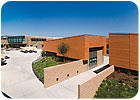
There is a new term being tossed around the construction industry, “High Performance Cladding.”
What exactly is a “high performance cladding”? No one has provided a definitive definition. The consultants in building envelope design use the four D’s to measure the effectiveness of a building design and how high-performance the building and the exterior cladding will be. The four D’s of exterior design are: Deflection, Drainage, Drying and Durable.
DEFLECTION refers to the ability of the exterior cladding itself to deflect the initial bulk of moisture that hits the outer wall surface. Another means of deflection is providing an overhang or other building element to deflect rain off of the cladding, essentially the same as adding a brim to a hat. While this sounds like an easy solution, most architects and designers do not relish the idea of adding elements to their creation that could destroy the aesthetic appeal of their design.
Note well: This is a good opportunity to clear up the common misconception of cement stucco as being a porous material. While a properly blended Portland cement plaster will absorb moisture, it is not porous. Independent studies have confirmed that moisture penetrates only to about 3/8 to ½ inch into the cement. If Portland cement was truly porous, every swimming pool would leak, cement fountains would not be dry and no one would make concrete water pipes.
DRAINAGE refers to the exterior cladding’s ability to allow for drainage of water that manages to finds its way behind the outer surface. It is understood that relying 100 percent on deflection is not realistic. A traditional concealed barrier system like stucco over building paper will handle the incidental moisture that finds it way behind the outer cement cladding. Stucco over building paper has never been intended to handle large volumes of water between the building paper(s) and the cement membrane. This is where some experts desire additional drainage or enhanced drainage. This system is often known as a “rainscreen” and implements the use of a drainage mat or other stand-off methods to increase the space between the building paper or house wrap and the cement membrane to allow for easier flow of water down and within the cladding.
DRYING refers to the ability of the cladding system to allow ventilation within the system to promote drying. Most exterior claddings are vapor-permeable as required by building code, and will allow incidental moisture or condensation in the cladding system to pass through to the exterior as a vapor or gas when warmed by the sun. Under most conditions, these traditional code-approved claddings are more than adequate.
This third D refers to additional drying within the cladding by allowing supplemental venting. Simply stated, the base and the top of the rainscreen space behind the outer cladding must be open to allow airflow for additional drying.
Note well: Here is another good opportunity to clear up yet another myth about EIFS (Exterior Insulation Finishing System) and vapor. EIFS are vapor-permeable and will allow moisture to pass through the cladding as a vapor gas. It is true that a Styrofoam cup is not vapor-permeable and it would seem to follow that EIFS would be the same. However, the foam is not the same and comes in 2 by 4-foot panels. Independent labs confirm the joints between the panels will allow vapor transmission and that EIFS is vapor permeable.
DURABLE refers to how the system will withstand continued and repeated exposure to the elements such as ultraviolet rays, thermal expansion and contraction and years of wetting-and-drying cycles that should be anticipated. This also refers to the components of the cladding system.
A high-performance cladding will excel in all four of the D’s: Deflection, Drainage, Drying and Durability. The need for a cladding to meet all four D’s will depend on building style, location, usage, and how the D’s interact with each other. For example, an exterior corridor for a building may have superior protection and never get wet. This cladding would have superior deflection protection from other sources and the other D’s should not be relevant in design.
We in the plastering industry are fortunate; a plastering contractor is armed with two of the best and most versatile claddings money can buy and all for a very reasonable cost- Stucco and EIFS.
While these systems may look alike, they can perform quite differently and have unique qualities. As a consultant to the architectural community, I found myself answering the question of which cladding is best all the time. First and foremost, both stucco and EIFS claddings should each be considered an outstanding cladding and each cladding system can be adapted to become High Performance Claddings in all of the four D’s.
For energy savings and design flexibility, nothing can beat EIFS. For abuse and fire resistance, nothing can beat cement stucco. Two absolute winners with special and unique qualities.
There is a new term being tossed around the construction industry, “High Performance Cladding.”
What exactly is a “high performance cladding”? No one has provided a definitive definition. The consultants in building envelope design use the four D’s to measure the effectiveness of a building design and how high-performance the building and the exterior cladding will be. The four D’s of exterior design are: Deflection, Drainage, Drying and Durable.
DEFLECTION refers to the ability of the exterior cladding itself to deflect the initial bulk of moisture that hits the outer wall surface. Another means of deflection is providing an overhang or other building element to deflect rain off of the cladding, essentially the same as adding a brim to a hat. While this sounds like an easy solution, most architects and designers do not relish the idea of adding elements to their creation that could destroy the aesthetic appeal of their design.
Note well: This is a good opportunity to clear up the common misconception of cement stucco as being a porous material. While a properly blended Portland cement plaster will absorb moisture, it is not porous. Independent studies have confirmed that moisture penetrates only to about 3/8 to ½ inch into the cement. If Portland cement was truly porous, every swimming pool would leak, cement fountains would not be dry and no one would make concrete water pipes.
DRAINAGE refers to the exterior cladding’s ability to allow for drainage of water that manages to finds its way behind the outer surface. It is understood that relying 100 percent on deflection is not realistic. A traditional concealed barrier system like stucco over building paper will handle the incidental moisture that finds it way behind the outer cement cladding. Stucco over building paper has never been intended to handle large volumes of water between the building paper(s) and the cement membrane. This is where some experts desire additional drainage or enhanced drainage. This system is often known as a “rainscreen” and implements the use of a drainage mat or other stand-off methods to increase the space between the building paper or house wrap and the cement membrane to allow for easier flow of water down and within the cladding.
DRYING refers to the ability of the cladding system to allow ventilation within the system to promote drying. Most exterior claddings are vapor-permeable as required by building code, and will allow incidental moisture or condensation in the cladding system to pass through to the exterior as a vapor or gas when warmed by the sun. Under most conditions, these traditional code-approved claddings are more than adequate.
This third D refers to additional drying within the cladding by allowing supplemental venting. Simply stated, the base and the top of the rainscreen space behind the outer cladding must be open to allow airflow for additional drying.
Note well: Here is another good opportunity to clear up yet another myth about EIFS (Exterior Insulation Finishing System) and vapor. EIFS are vapor-permeable and will allow moisture to pass through the cladding as a vapor gas. It is true that a Styrofoam cup is not vapor-permeable and it would seem to follow that EIFS would be the same. However, the foam is not the same and comes in 2 by 4-foot panels. Independent labs confirm the joints between the panels will allow vapor transmission and that EIFS is vapor permeable.
DURABLE refers to how the system will withstand continued and repeated exposure to the elements such as ultraviolet rays, thermal expansion and contraction and years of wetting-and-drying cycles that should be anticipated. This also refers to the components of the cladding system.
A high-performance cladding will excel in all four of the D’s: Deflection, Drainage, Drying and Durability. The need for a cladding to meet all four D’s will depend on building style, location, usage, and how the D’s interact with each other. For example, an exterior corridor for a building may have superior protection and never get wet. This cladding would have superior deflection protection from other sources and the other D’s should not be relevant in design.
We in the plastering industry are fortunate; a plastering contractor is armed with two of the best and most versatile claddings money can buy and all for a very reasonable cost- Stucco and EIFS.
While these systems may look alike, they can perform quite differently and have unique qualities. As a consultant to the architectural community, I found myself answering the question of which cladding is best all the time. First and foremost, both stucco and EIFS claddings should each be considered an outstanding cladding and each cladding system can be adapted to become High Performance Claddings in all of the four D’s.
For energy savings and design flexibility, nothing can beat EIFS. For abuse and fire resistance, nothing can beat cement stucco. Two absolute winners with special and unique qualities.
Looking for a reprint of this article?
From high-res PDFs to custom plaques, order your copy today!