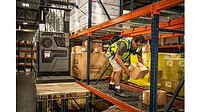
Self-Retracting Lifeline

Capital Safety/DBI-SALA
The 50-Foot Sealed-Blok Self-Retracting Lifeline is designed to withstand harsh operating environments and includes features that maximize job site versatility. This is the first sealed self-retracting lifeline to achieve IP68 certification. This code, as defined by international standard IEC 60529, describes the product’s ability to seal out solids and liquids such as dirt, dust and water. In addition to providing the highest level of ingress protection, the lifeline also offers the highest weight capacity at 420 pounds. A patented industry first, the exclusive RSQ rescue capability allows the user to choose (prior to use) between automatic rescue mode and fall arrest mode. If a fall occurs while the device is in automatic rescue mode, the SRL will arrest the fall and then automatically lower the worker safely to the ground or next level. If a fall occurs while the device is in fall arrest mode, the SRL will arrest the fall and then allow for an assisted rescue to take place. This two-in-one operation offers work site versatility and optimization for each fall hazard. It can also lower the cost of a user’s fall protection program because separate rescue equipment may not be needed.Looking for a reprint of this article?
From high-res PDFs to custom plaques, order your copy today!