Walls & Ceilings logo
search
cart
facebook twitter linkedin youtube youtube Spotify Podcasts Apple Podcasts Spotify Podcasts Apple Podcasts
  • Sign In
  • Create Account
  • Sign Out
  • My Account
Walls & Ceilings logo
  • NEWS
  • TOPICS
    • Drywall
    • Stucco/EIFS
    • Ceilings
    • Steel Framing
    • Fireproofing
    • Interior Plaster
    • Building Envelope
    • Insulation
    • Technology
    • Interior
    • Exterior
    • Women In Construction
  • COLUMNS
    • Up Front
    • All Things Gypsum
    • Art & Craft of Plastering
    • Stucco Stop
    • Steel Deal
    • Industry Voices
  • PRODUCTS
    • Buzz Guide
  • EVENTS
    • Industry Events
    • Webinars
    • BUILD Expo
  • MEDIA
    • Videos
    • Podcasts
    • Photo Galleries
    • BUILD26 Videos
    • Take our Quiz!
    • Infographics
  • EXCLUSIVE
    • Newsletters
    • Top 50 Contractors
    • Contractor of the Year
    • State of the Industry
    • W&C Store
    • Market Research
    • CEUs
    • Sponsor Insights
    • Custom Content & Marketing Services
  • DIRECTORY
  • EMAGAZINE
    • eMagazine
    • Advertise
    • Archive Issues
  • SIGN UP!
FireproofingInterior

The Concept of Firestopping

By James Taite
October 1, 2015

The concept is basic; impede the passage of fire, smoke and toxic gases from one side of a fire-rated assembly to another using an installed firestopping system which limits amount of damaged caused by fire and protects building occupants and property. These systems include firestop products, backing materials, building materials of the wall and floors and the specific instructions for how it is all installed. Applications such as pipes or cables passing through a rated wall or floor, and the intersection of two rated wall/floor assemblies are examples of common conditions encountered every day. It is critical to maintain the fire-rating of the assemblies while allowing for the penetrants to move throughout the building or the assemblies to intersect.

For the interior finishing professional, a common application is the head of wall (or top-of-wall), where a fire-rated wall ascends to the underside of a rated floor assembly above. This intersection is critical in the aspect of fire protection as it creates the boundaries of these compartments, while also providing for movement of the floor above. This movement is caused by numerous factors such as dynamic loads, wind and thermal expansion or contraction, just to name a few.

System Testing of the Head-of-Wall Joint Condition

Firestop systems are tested according to defined UL or ASTM standards by third party testing agencies to verify the performance of the entire assembly. Head-of-wall conditions are tested to Underwriters Laboratories Standard 2079; Standard for Tests for Fire Resistance of Building Joint Systems. This testing is “applicable to joint systems of various materials and construction that are intended for use in linear openings between adjacent fire resistive structures.” The testing consists of various parts to evaluate the integrity of the firestop system design. These include:

  • The joint system being subjected to a standard fire exposure controlled to achieve specified temperatures over time.
  • Subjecting a load bearing assembly to the specified design load for the intended use, if applicable.
  • Cycling joint systems a defined number of times through the intended range of movement and locked into the largest width before being exposed to fire.
  • Subjecting head-of wall systems to a hose stream test after exposure to fire conditions.

In order for this application system to be considered a successful test, the transmission through the joint system of heat and gases cannot be enough to ignite cotton waste on the non-fire side. Rather than using cotton waste, this criteria is evaluated by monitoring the temperature of the non-fire side of the system, with a limit of 325 degrees Fahrenheit above the ambient air temperature. Once the measuring thermocouple on the non-fire side reaches this target temperature (for example: 400 degrees if the test specimen measures 75 degree at the start of the test), then the fire test is stopped and the system subjected to the impact of the hose stream test. Assuming adequate performance of the system, it is assigned an “assembly” rating: either one or two hours.

Changes to the Testing Standard

Recently, UL has released a change to the 2079 testing criteria (dated August 26, 2015), that may have an impact on the rating currently assigned to top-of-wall systems. The changes in the standard include two basic points:

  • Modified verbiage regarding the placement of thermocouples and;
  • Allowances to modify the thermocouple mounting pad to fit snugly over top of joints for joints smaller than 2 inches.

Prior to the changes, thermocouples were placed over the head-of-wall joint flush with the outside layer of gypsum. This resulted in a gap between the thermocouple and the firestopping materials in systems utilizing a recessed solution. The above modifications to UL 2079 will eliminate this gap, potentially affecting the temperature readings on the non-fire side of the system, which may in turn affect the system’s assembly rating. Going forward third party listing agencies are expected to reevaluate all top-of-wall systems to determine what systems need to be retested.

Any system not meeting new requirements will have their rating modified or be removed from the system directory.

Path Forward

Timing for implementing changes to the UL 2079 standard is typically two years. This time allows manufacturers to reevaluate their product and application solutions. If minor modifications to the system can be made within the new testing protocol, these changes are made and then retested. Other times, significant redesign of the system may be required. These changes can involve new materials required in the installation process or a change in the wall systems tested and approved for use. In some cases they require products and systems to be removed from the system directory when no solution can be found.

While always important that the interior finishing contractor understands the status of their current firestopping method, this change in UL 2079 will require special attention when addressing the head-of-wall solution. In the future products, systems and installation procedures will likely start to change. The installer can best understand and keep track on the ongoing process by following a few simple steps:

  • Contact the firestop manufacturer or distributor before installing a system.
  • Review manufacturer Web sites for third party listed system information related to the changed standard.
  • Review third party listed system details of proposed head-of-wall solutions.
  • Schedule and attend local training seminars performed by the firestop manufacturers dedicated to the head-of-wall firestop application.

By staying current with the latest firestopping test standards, construction professionals play an integral role in protecting building occupants and property which impacts overall life safety.  

KEYWORDS: building codes firestopping NFPA (National Fire Protection Association)

Share This Story

Looking for a reprint of this article?
From high-res PDFs to custom plaques, order your copy today!

James Taite graduated from Oklahoma State University with a BS in Fire Protection Engineering and a MBA from Regis University. As director of Corporate Engineering at Hilti, he oversees the new Western Hemisphere Product Development and Testing facility where Hilti firestop products are developed and tested to UL standards. Taite has worked in Hilti’s firestop and technical services business for 21 years.

Recommended Content

JOIN TODAY
To unlock your recommendations.

Already have an account? Sign In

  • Abercrombie & Fitch

    EIFS in 2026: How Specialty Finishes Are Redefining Exterior Wall Systems

    As building codes, owner expectations, and design demands...
    Stucco/EIFS
    By: Regi Mendoza
  • proper air and vapor control

    From Energy Efficiency to Moisture Management: Why Air and Vapor Control Matter

    How proper air and vapor control within building...
    Building Envelope
    By: Benjamin Meyer AIA, LEED AP
  • Linear Metal Ceiling Beam Baffles

    Top 25 Ceiling Contractors of 2026

    Suspended ceilings demand precision, code compliance and...
    Ceilings
    By: John Wyatt and Tanja Kern
You must login or register in order to post a comment.

Report Abusive Comment

Manage My Account
  • eMagazine Subscription
  • Newsletters
  • Online Registration
  • Manage My Preferences
  • Subscription Customer Service

More Videos

Sponsored Content

Sponsored Content is a special paid section where industry companies provide high quality, objective, non-commercial content around topics of interest to the Walls & Ceilings audience. All Sponsored Content is supplied by the advertising company and any opinions expressed in this article are those of the author and not necessarily reflect the views of Walls & Ceilings or its parent company, BNP Media. Interested in participating in our Sponsored Content section? Contact your local rep!

close
  • medical professionals moving a patient on a stretcher through the halls of a medical building
    Sponsored byNational Gypsum Company

    What Does High Performance Mean When It Comes To Gypsum Boards?

Popular Stories

Linear Metal Ceiling Beam Baffles

Top 25 Ceiling Contractors of 2026

Wichita Biomedical Campus

Wichita Drywall Worker Dies After Scaffolding Fall

QXO Just Changed the Game-Here's What Contractors Are Asking

QXO Just Changed the Game-Here's What Contractors Are Asking

An interior drywalling work in progress

Boost Profits with AI Scheduling

Events

June 24, 2026

The Bright Side & Benefits of Designing with Integrated Lighting

Credits 1 AIA LU/HSW; 0.1 ICC CEU

This course will explore the pivotal role architects and lighting design play in creating safer, more sustainable spaces. Learn how to avoid common lighting mistakes and make informed decisions that create the best visual environment for occupants. 

January 1, 2030

Webinar Sponsorship Information

For webinar sponsorship information, visit www.bnpevents.com/webinars or email webinars@bnpmedia.com.

See our full library of webinars

View All Submit An Event

Products

2026 National Painting Cost Estimator

2026 National Painting Cost Estimator

See More Products

Related Articles

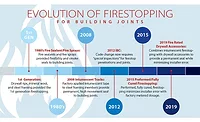
  • Evolution of firestopping

    The Evolution of Firestopping

    See More
  • ClarkDietrich BlazeFrame Tape

    ClarkDietrich Adds BlazeFrame Tape to Line of Firestopping Products

    See More
  • Firestopping

    Special Inspections: The Next Stop in Firestopping

    See More

Related Products

See More Products
  • barrys.jpg

    Barry's Advanced Construction of Buildings, 4th Edition

  • building codes illustated.jpg

    Building Codes Illustrated: A Guide to Understanding the 2021 International Building Code, 7th Edition

  • 1118749847.jpg

    The Gypsum Construction Handbook, 7th Edition

See More Products

Events

View AllSubmit An Event
  • June 24, 2026

    The Bright Side & Benefits of Designing with Integrated Lighting

    Credits 1 AIA LU/HSW; 0.1 ICC CEU This course will explore the pivotal role architects and lighting design play in creating safer, more sustainable spaces. Learn how to avoid common lighting mistakes and make informed decisions that create the best visual environment for occupants. 
View AllSubmit An Event

Related Directories

  • Firestop Contractors International Assn. (FCIA)

    FCIA Members are the global experts and providers of life safety passive fire and smoke protection systems. FCIA Members are committed to providing consistent, high-quality firestop systems as a critical part of effective compartmentation through the ‘DIIM’ of firestopping, passive fire protection, and barrier management.
  • Flex-Ability Concepts

    Hand curvable metal track, angle and arch framing. The easiest, fastest way to make curved walls, soffits and curved ceiling applications. The easiest, most cost-effective product for stud bridging. Deflection clips.
×

Connect with the industry’s leading resource for unparalleled insights and education.

Join thousands of industry professionals today. Shouldn’t you know what they know?

JOIN NOW
  • RESOURCES
    • Advertise
    • Contact Us
    • Directories
    • Store
    • Want More
  • SIGN UP TODAY
    • Create Account
    • eMagazine
    • Newsletters
    • Customer Service
    • Manage Preferences
  • SERVICES
    • Marketing Services
    • Reprints
    • Market Research
    • List Rental
    • Survey/Respondent Access
  • STAY CONNECTED
    • LinkedIn
    • Facebook
    • Instagram
    • YouTube
    • X
  • PRIVACY
    • PRIVACY POLICY
    • TERMS & CONDITIONS
    • DO NOT SELL MY PERSONAL INFORMATION
    • PRIVACY REQUEST
    • ACCESSIBILITY

Copyright ©2026. All Rights Reserved BNP Media, Inc. and BNP Media II, LLC.

Design, CMS, Hosting & Web Development :: ePublishing