Walls & Ceilings logo
search
cart
facebook twitter linkedin youtube youtube Spotify Podcasts Apple Podcasts Spotify Podcasts Apple Podcasts
  • Sign In
  • Create Account
  • Sign Out
  • My Account
Walls & Ceilings logo
  • NEWS
  • TOPICS
    • Drywall
    • Stucco/EIFS
    • Ceilings
    • Steel Framing
    • Fireproofing
    • Interior Plaster
    • Building Envelope
    • Insulation
    • Technology
    • Interior
    • Exterior
    • Women In Construction
  • COLUMNS
    • Up Front
    • All Things Gypsum
    • Art & Craft of Plastering
    • Stucco Stop
    • Steel Deal
    • Industry Voices
  • PRODUCTS
    • Buzz Guide
  • EVENTS
    • Industry Events
    • Webinars
    • BUILD Expo
  • MEDIA
    • Videos
    • Podcasts
    • Photo Galleries
    • BUILD26 Videos
    • Take our Quiz!
    • Infographics
  • EXCLUSIVE
    • Newsletters
    • Top 50 Contractors
    • Contractor of the Year
    • State of the Industry
    • W&C Store
    • Market Research
    • CEUs
    • Sponsor Insights
    • Custom Content & Marketing Services
  • DIRECTORY
  • EMAGAZINE
    • eMagazine
    • Advertise
    • Archive Issues
  • SIGN UP!
ColumnsExteriorInsulationInterior Plaster

Hemp as a Raw Building Material

THE FARM TO GABLE MOVEMENT IS ON. HEMP IS CONVERTING AGRICULTURE INTO ARCHITECTURE.

By Patrick Webb
Patrick Webb
February 17, 2022

Imagine not just applying plaster as a protective and decorative finish but as the primary material for the walls themselves. In point of fact, we don’t have to imagine because many traditional building techniques such as adobe, cob and rammed earth create what are essentially plaster walls and have been used successfully for millennia.  

During the 20th century certain technological innovations led to further plaster construction techniques, such as earthbag, earthship, and light-clay-straw which have found application and advancement in the natural building community. In the late 19th century mechanical straw balers were commercialized in the United States. It didn’t take long before high-plains farmers realized the insulative properties of these bales as the animals in the unheated barns were keeping warmer than the family huddled around the hearth. The first straw bale homes built in Nebraska are still standing. Although straw bales are not a plaster wall, a thick coat of plaster inside and out is key to maintaining their longevity.

It's exciting to see that the 21st century is making its own contribution in this regard with farmers once again involved in its innovation. Hemp lime construction, sometimes referred to as “Hempcrete,” has been up and running for a couple of decades in the U.K. and the E.U., and after a few early projects in North America has received a major boost of interest and application from the recent, 2021 U.S. legalization of industrial hemp after its initial ban in 1937. In this first article of a multi-part series, we'll briefly discuss hemp varieties and their markets, the properties of industrial hemp as a building material and what is involved in processing it for construction.
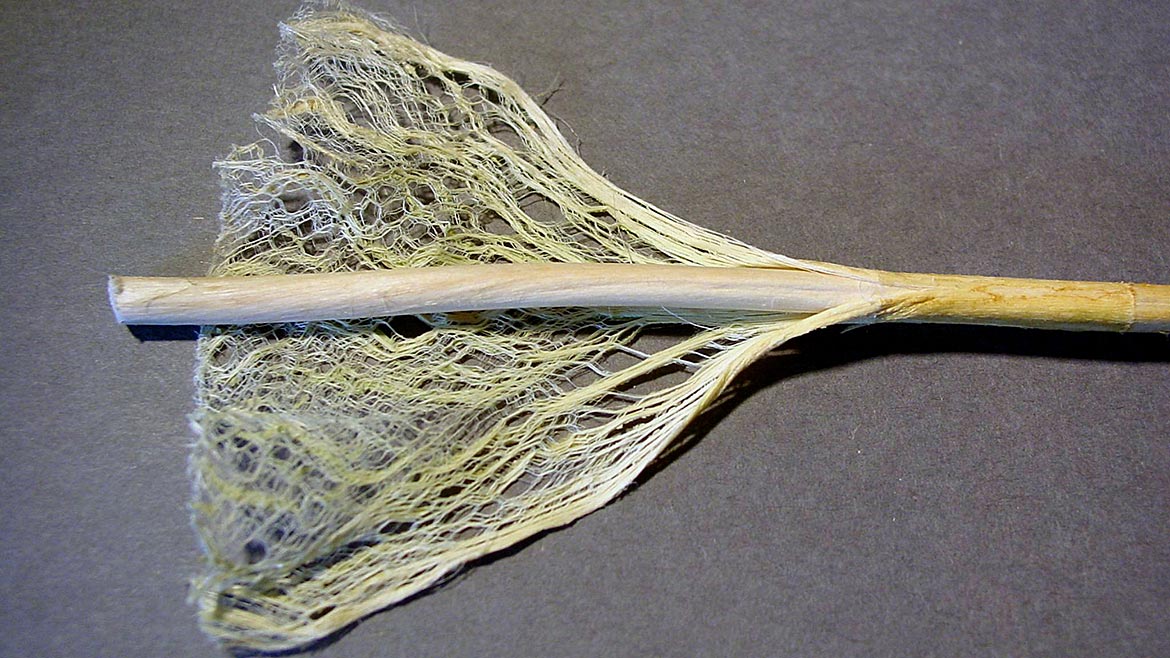
hemp stalkHemp stalk showing separation of fiber from hurd.  

Hemp and Cannabis

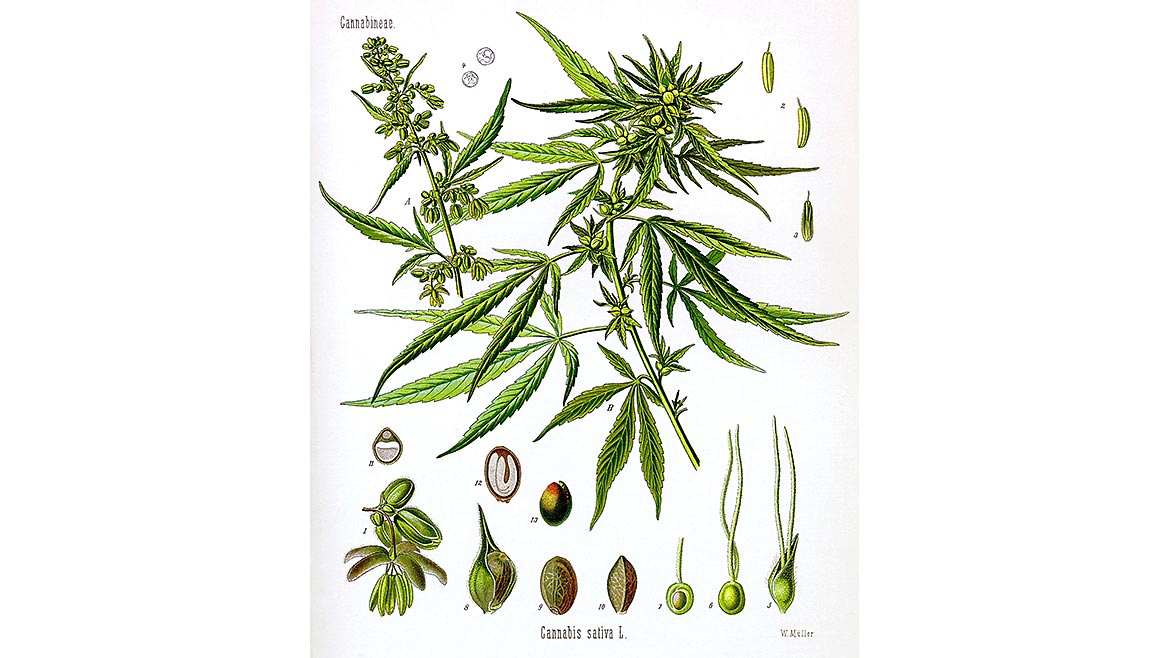
Hemp has been with humanity a long, long time. However, the specific variety of interest to us today for building purposes was first classified in 1753 as Cannabis Sativa by Swedish botanist Carl Linnaeus. We actually benefit from two words for the plant in English; hemp is of Germanic origin whereas cannabis comes from Latin. However, in common use, “hemp” typically refers to the plant when cultivated and processed for dietary, textile, and recently construction applications as distinguished from “cannabis” which tends to be the name reserved for medicinal and recreational uses. Hemp happens to be a plant that is easy to hybridize, as well, so as it turns out the different varieties have a large range of physical and chemical differences.

Hemp grown for medicinal needs having a psychoactive component (from the compound THC) is typically called cannabis. However, other medicinal hemp is cultivated to maximize another compound, CBD which is not psychoactive at all yet offers further health benefits. Moreover, there is a large dietary market for the hemp seed itself and oil derived from the seed that find both dietary and industrial applications. Industrial hemp has negligible quantities of THC present, all of the biological energy going into the stalk of the plant which in turn is harvested for both its exterior fiber and woody core. This latter varietal of industrial hemp is the most interesting for Hempcrete construction.

group hemp

Industrial hemp ready for harvest.

​
WC0222-CLMN-Art-Plaster-p3-Cannabis_sativa_Koehler_drawing.jpg

Cannabis sativa by Franz Eugen Köhler, 1887.
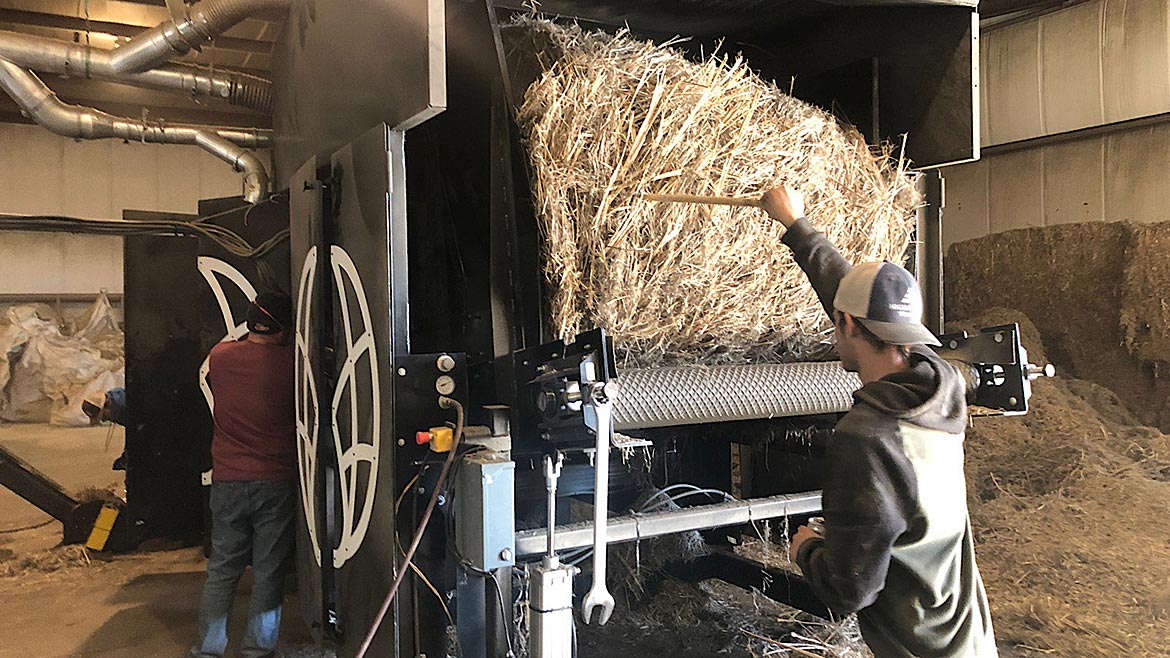

 
WC0222-CLMN-Art-Plaster-p5-Decortication.jpg

Decortication equipment stripping the fiber and cutting the hurd.


Industrial Hemp

Hemp is an annual crop, like most other things growing in the spring and being harvested in late summer. Time is allowed for the stalks to dry out away from the elements in preparation for processing. It's the stalk, not the leaves or roots of the hemp plant that are used for construction. The whole stalk can be dried out and chopped up; however, for ease of mixing as well as to decrease density while increasing the insulative properties, usually it is preferred that the fiber be stripped off and only the woody core called the hurd or shiv be used. This stripping of fiber off the stalk or “decortication” involves some heavy, specialized equipment converting it into an industrial process. These are big plants growing to six, eight feet high or higher to maximize fiber lengths and facilitate decortication. The fibre typically gets sold off for a higher price to be used for rope, clothing, and other applications in the textile industry.

The hurd is essentially a waste material. But as they say waste not, want not, because hemp hurd is a great material for us! After decortication, the hemp hurd is shifted and sorted into various long, medium, and short lengths before bagging into supersacks or shrink-wrapped. At that point the hurd is ready to be shipped off to a construction project. For hempcrete construction, hemp really is the primary ingredient in the building. An entire tractor trailer load of hurd may be needed for an average-size home that is a motivating market opportunity for potential hemp growers. The hurd is really just the woody core of the plant; nevertheless, hemp exhibits a rapid growth cycle that timber can't match. Furthermore, hemp is a great rotation for many other crops providing additional motivation for supply to increase.

With our brief introduction to this raw material complete, our next article will be ready to explore how hemp hurd is combined with plaster binders, such as lime to convert it into a building material with amazing properties.

KEYWORDS: AEC industry building materials green building hemp innovation plaster

Share This Story

Looking for a reprint of this article?
From high-res PDFs to custom plaques, order your copy today!

Wc0620 clmn plastering p6 author patrick webb

Patrick Webb is a traditional and ornamental plasterer currently instructing as Adjunct Professor of Architectural Plastering at the American College of the Building Arts in Charleston, S.C. Additionally, he serves as senior technical consultant for heritage plaster manufacturer Plâtres Vieujot, providing services to architects to assist them in properly specifying plaster and plaster systems. He can be reached at webbp@buildingartscollege.us.

Recommended Content

JOIN TODAY
To unlock your recommendations.

Already have an account? Sign In

  • Abercrombie & Fitch

    EIFS in 2026: How Specialty Finishes Are Redefining Exterior Wall Systems

    As building codes, owner expectations, and design demands...
    Stucco/EIFS
    By: Regi Mendoza
  • proper air and vapor control

    From Energy Efficiency to Moisture Management: Why Air and Vapor Control Matter

    How proper air and vapor control within building...
    Building Envelope
    By: Benjamin Meyer AIA, LEED AP
  • Linear Metal Ceiling Beam Baffles

    Top 25 Ceiling Contractors of 2026

    Suspended ceilings demand precision, code compliance and...
    Ceilings
    By: John Wyatt and Tanja Kern
You must login or register in order to post a comment.

Report Abusive Comment

Manage My Account
  • eMagazine Subscription
  • Newsletters
  • Online Registration
  • Manage My Preferences
  • Subscription Customer Service

More Videos

Sponsored Content

Sponsored Content is a special paid section where industry companies provide high quality, objective, non-commercial content around topics of interest to the Walls & Ceilings audience. All Sponsored Content is supplied by the advertising company and any opinions expressed in this article are those of the author and not necessarily reflect the views of Walls & Ceilings or its parent company, BNP Media. Interested in participating in our Sponsored Content section? Contact your local rep!

close
  • medical professionals moving a patient on a stretcher through the halls of a medical building
    Sponsored byNational Gypsum Company

    What Does High Performance Mean When It Comes To Gypsum Boards?

Popular Stories

Wichita Biomedical Campus

Wichita Drywall Worker Dies After Scaffolding Fall

Okan Tower in Miami, Florida

OSHA Opens Investigation Into Fatal Okan Tower Column Collapse

Construction workers in safety vests install drywall

Gypsum Sales Hold Amid Market Shifts in the U.S.

data center and logos

USG, Subzero Engineering Form Data Center Alliance

Events

June 24, 2026

The Bright Side & Benefits of Designing with Integrated Lighting

Credits 1 AIA LU/HSW; 0.1 ICC CEU

This course will explore the pivotal role architects and lighting design play in creating safer, more sustainable spaces. Learn how to avoid common lighting mistakes and make informed decisions that create the best visual environment for occupants. 

January 1, 2030

Webinar Sponsorship Information

For webinar sponsorship information, visit www.bnpevents.com/webinars or email webinars@bnpmedia.com.

See our full library of webinars

View All Submit An Event

Products

2026 National Painting Cost Estimator

2026 National Painting Cost Estimator

See More Products

Related Articles

  • WC0522-CLMN-Plaster-p1FT-Patrick-Webb-1170x658.jpg

    Hemp as a Raw Building Material (Part 2)

    See More
  • hempitecture logo

    Hemp Building Material Manufacturer To Expand to the Magic Valley

    See More
  • Dynamic real-world exposure testing (funded by DuPont)

    Rethinking Magnesium Oxide (MgO): A Fresh Look at a Proven Building Material

    See More

Related Products

See More Products
  • building codes illustated.jpg

    Building Codes Illustrated: A Guide to Understanding the 2021 International Building Code, 7th Edition

  • bim 3e.jpg

    BIM Handbook: A Guide to Building Information Modeling for Owners, Designers, Engineers, Contractors, and Facility Managers, 3rd Edition

  • revisited.png

    Markup & Profit: A Contractor's Guide Revisited

See More Products
×

Connect with the industry’s leading resource for unparalleled insights and education.

Join thousands of industry professionals today. Shouldn’t you know what they know?

JOIN NOW
  • RESOURCES
    • Advertise
    • Contact Us
    • Directories
    • Store
    • Want More
  • SIGN UP TODAY
    • Create Account
    • eMagazine
    • Newsletters
    • Customer Service
    • Manage Preferences
  • SERVICES
    • Marketing Services
    • Reprints
    • Market Research
    • List Rental
    • Survey/Respondent Access
  • STAY CONNECTED
    • LinkedIn
    • Facebook
    • Instagram
    • YouTube
    • X
  • PRIVACY
    • PRIVACY POLICY
    • TERMS & CONDITIONS
    • DO NOT SELL MY PERSONAL INFORMATION
    • PRIVACY REQUEST
    • ACCESSIBILITY

Copyright ©2026. All Rights Reserved BNP Media, Inc. and BNP Media II, LLC.

Design, CMS, Hosting & Web Development :: ePublishing