Taking the Shortcut
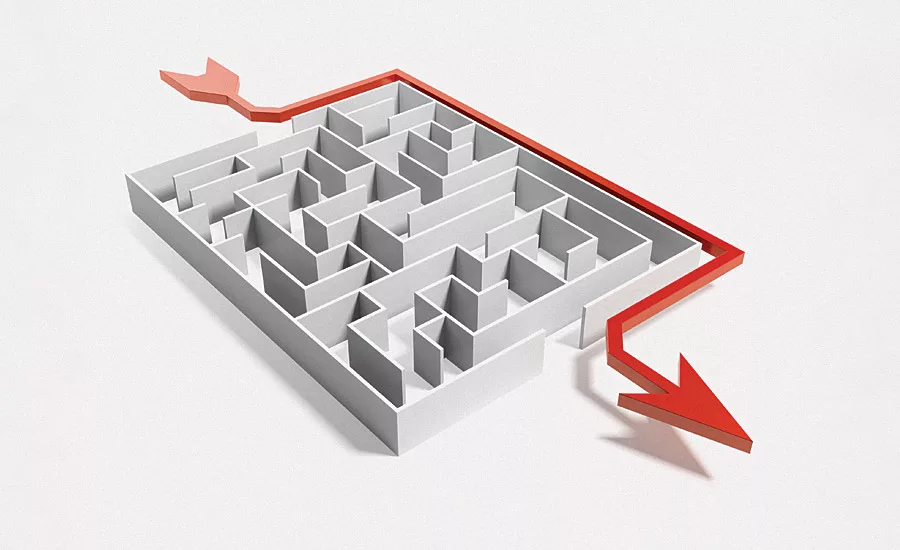
We’ve all been there, whether it’s running late to work, trying to get out in front of the afternoon rush, or even replacing a few words in a text message with an emoji just to save some time. Taking shortcuts is part of our everyday life. We strive for efficiency and speed, sometimes just racing the clock when we can’t find an actual opponent. “Get in, Get it done, and Get out” is more or less the catchphrase for every type of task most of us will encounter in our day.
Construction can relate to this shortcut culture—maybe more than any other trade. With jobs, timing and collectively billions of dollars on the line, speed is key. So, why wouldn’t we take a short cut at every available opportunity? The advantages of a short cut are sometimes too much temptation to ignore. Unfortunately, the repercussions of them often set us back further than it would to just stay on the specified path. Unintended outcomes and unpredictability are the two most likely outcomes of shortcuts, and also some of the most damaging results in construction. Look no further to noise control systems for a real life view of how short cuts can lead us down the wrong path.
Great Products Mean No Shortcut
In multi-family construction, there are codes that exist to help govern the amount of noise that can pass from unit to unit. Both walls and floor/ceiling assemblies must be designed and constructed well to meet these expectations. If not done, not only will the code not be met (or at least the performance diminished), but neither will the expectations of the occupant of that space. As we increasingly move into higher density living conditions, noise control is one of the most talked about issues in multi-family. If our goal is to improve upon this, we need to design products to mitigate issues caused by taking a shortcut or even better products designed well enough so that there is no need to look for one.
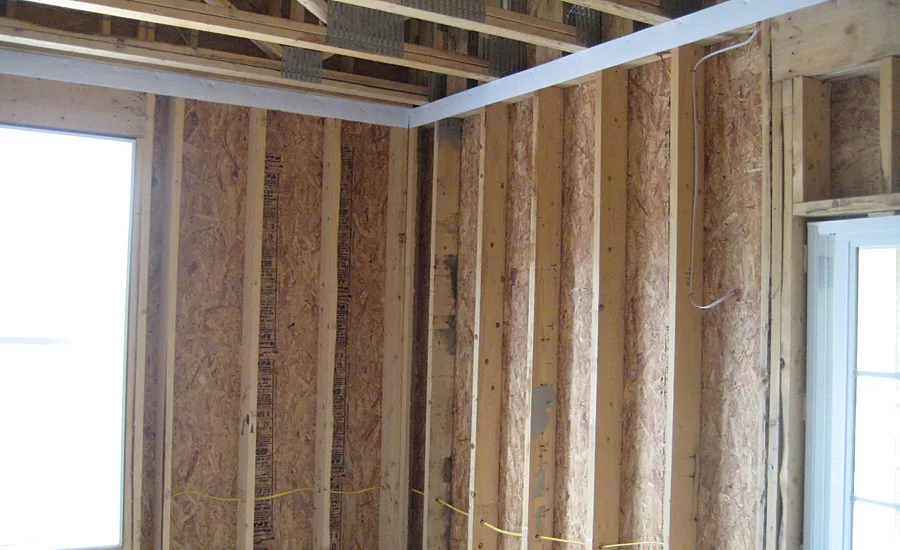
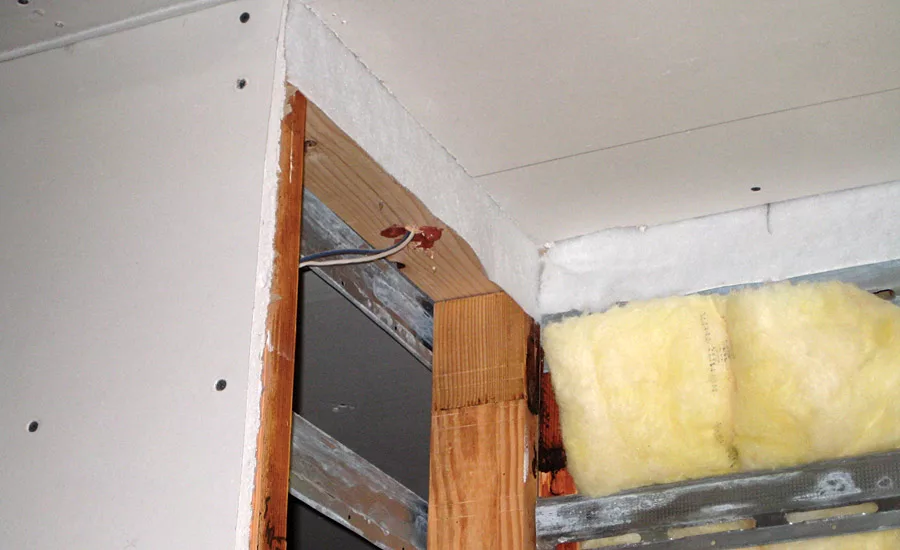
STC is the ASTM Standard for measurement of airborne sound from unit to unit. Examples of this are easy to imagine such as human speech, television and music. The generally accepted approach to increase the systems (wall or floor/ceiling) STC performance is to add mass. Gypsum board is a massive form of a cement board that not only helps as it pertains to flame spread, but also does a considerable amount of assisting in the acoustics of the wall assembly. The idea being: the heavier the wall or floor, the better the performance. Details such as the treatment of the electrical outlets and other wall penetrations are critical to ensuring the marketed performance of the wall system. As it is easy to imagine, the best passageway for sound to most easily travel is through air. Every hole in our wall is a detriment to the system and needs to be treated with care.
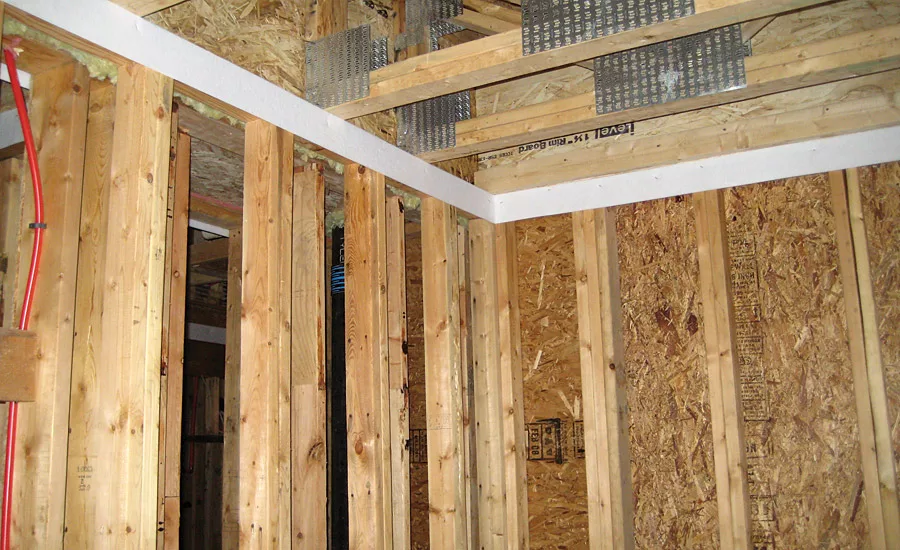
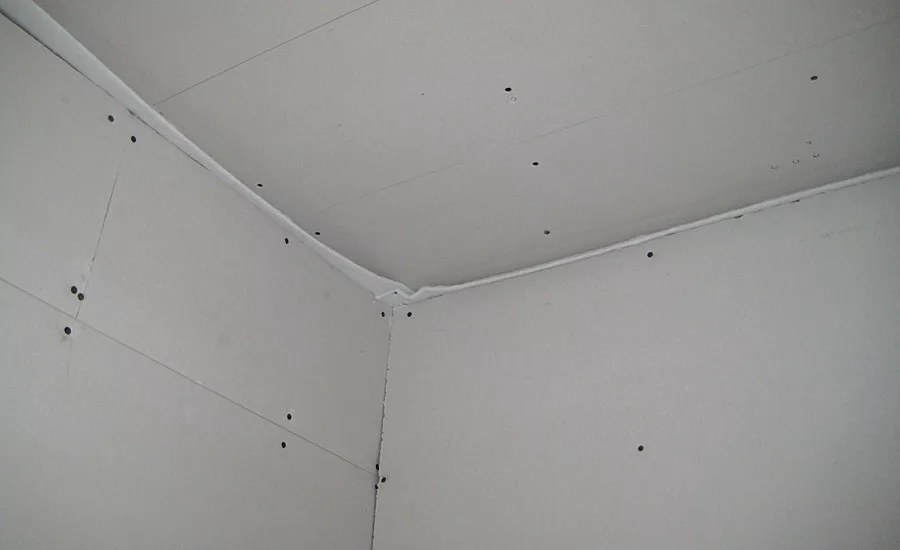
Take for example the specified 1/8-inch gap between the ceiling board and wallboard at every intersection. The standard detail would be to use an acoustical caulk (expensive and time consuming) to fill that gap and then to tape and mud that joint. Now ask yourself; wouldn’t it be a lot easier to just skip the caulking? Or why even work so hard to create a gap in the first place when all I intend to do is fill it? Everyone can see the benefit of taking a quick shortcut, but what you may not be aware of is the significant damage those can cause. In both examples a passage way for noise to travel is created and the unintended consequences of a louder wall is created.
Finding Easy Solutions
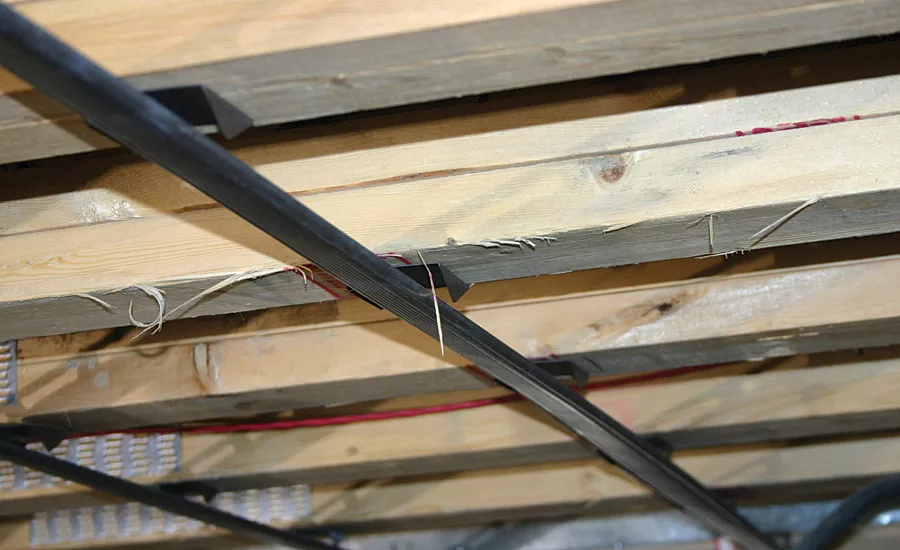
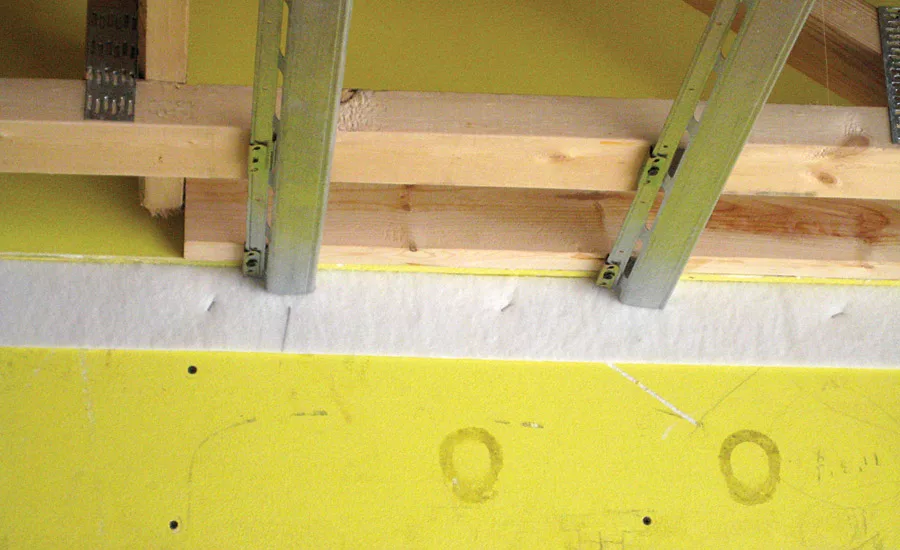
A good designer and/or manufacturer can anticipate these shortfalls in execution and design systems that incorporate products to prevent these from happening. Keene Building Products’ Space Assurance, a 4-inch wide non-combustible polyester strip, is a great example of this. Space Assurance is installed at the top plate of the wall with staples prior to the installation of the ceiling board. Next the excess material is folded under the ceiling board and the wallboard is slid into position. The fabric compresses to 1/8-inch in thickness creating that designated gap while filling it at the same time. The excess Space Assurance is trimmed and the joint is taped and mudded, as it typically would be. Space Assurance is a great example of building smarter, not harder.
Moving down to the floors, again the performance is in the execution. The type of sound we are concerned with however is slightly different than in the walls. IIC, short for Impact Insulation Classification, is measurement of the vibrational noise—think a stomping sound—that passes from the floor to the ceiling below. Isolating the assembly or creating less connection points for the vibration to travel from one surface to the next best controls this type of noise. All the acoustical products in the market place are designed around this being the case with the best installation methods clearly denoting this.
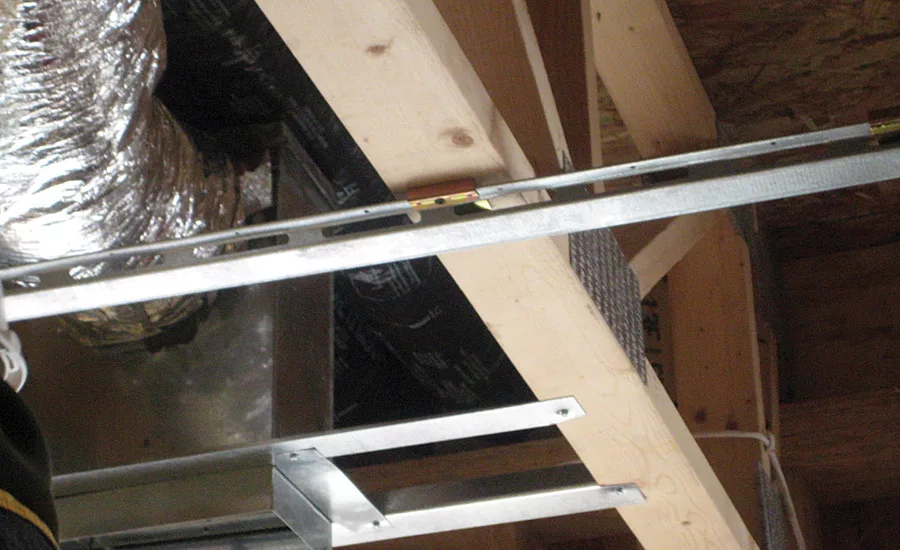
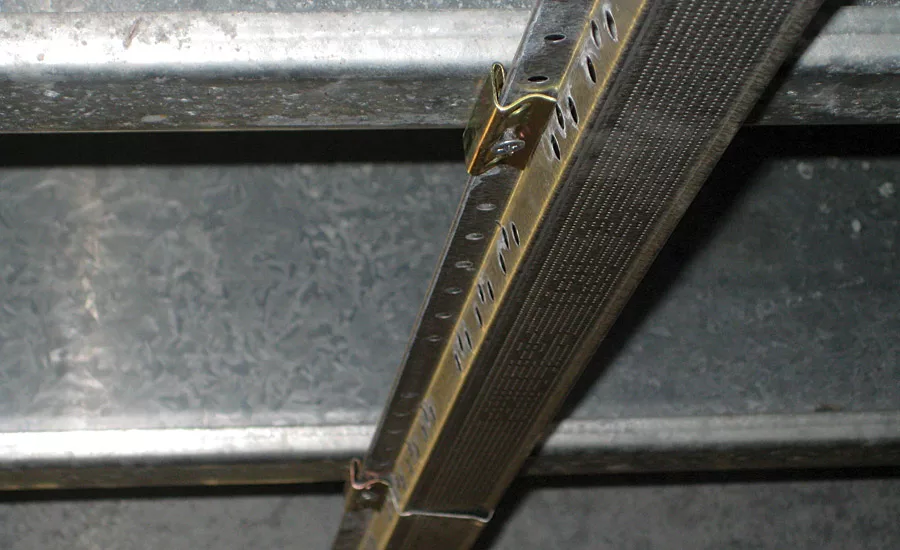
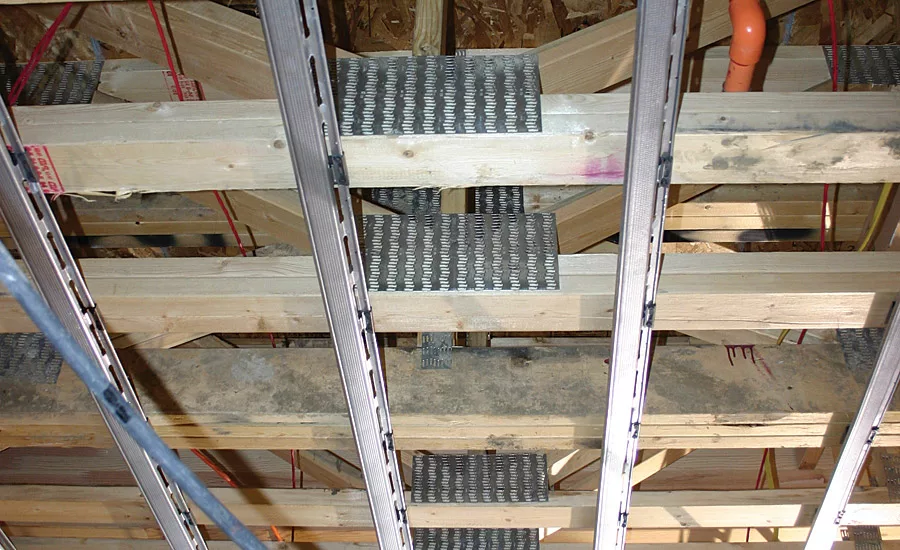
Again, let’s take the job of the drywall contractor and see how the temptation of taking a shortcut might arise. In this example the trade would be responsible for installing the RC-1 channel, a 1-legged resilient furring channel, and the gypsum board ceiling to the bottom of the joist. The standard detail of installation is to measure off all the joist intersections and to use a 1-inch specified screw length to attach the boards in the channel. This is an incredibly difficult thing to do well consistently and quickly. Wouldn’t it be faster to not have to measure? A longer screw would make it a whole lot easier to attach the boards, why not just use those? Both shortcuts would indeed make the job a lot simpler, but both can significantly decrease the ability of the floor/ceiling to limit impact sound. This is due to a term most commonly referred to as short circuiting meaning the installation had been compromised by penetrating the screw, due to placement or length, through the channel and into the joist. Each short circuit is an additional path for vibration to travel thus the system is noisier.
An easy and inexpensive solution is to utilize a clip to prevent this from happening no matter how haphazard the installation process is.
These solutions and more are available to designers and contractors alike to help preserve the performance of their systems. Planning for a shortcut is more often the best way to avoid unexpected outcomes while speeding up the process at the same time. By attempting to build smarter with well-designed products, we can hopefully eliminate a whole host of these nagging issues with very little left up to chance. Sounds good doesn’t it?
Looking for a reprint of this article?
From high-res PDFs to custom plaques, order your copy today!





