Research Before Bidding on WRB/AB Projects
Five Topics To Research Before One Bids On That WRB/AB Project.
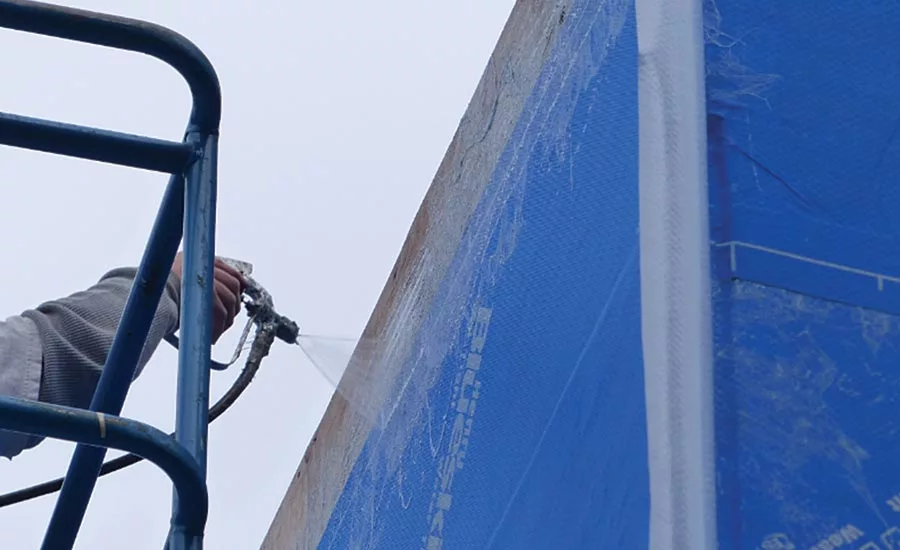
Figure 1: An example of primer being applied to the face of a polyolefin membrane.
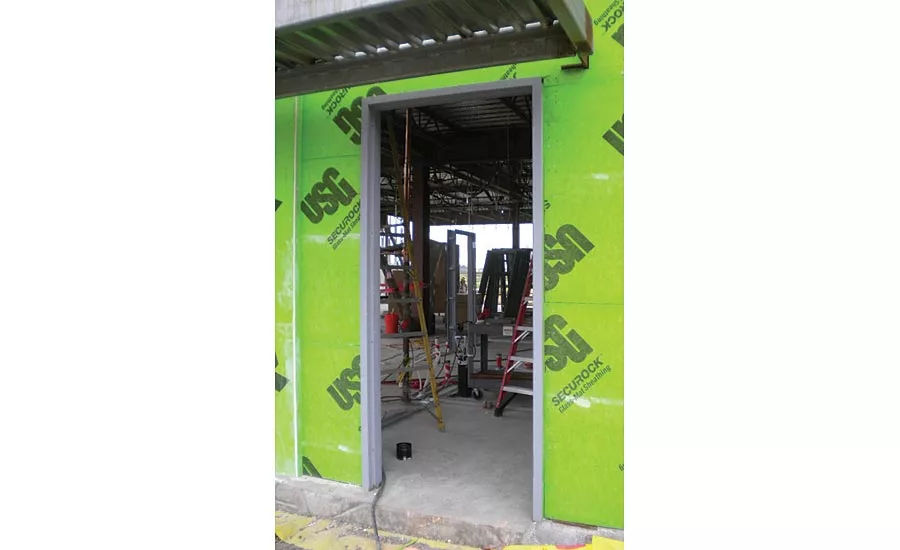
Figure 2: Here is an example of an untreated rough opening. A preconstruction meeting could have prevented this issue.
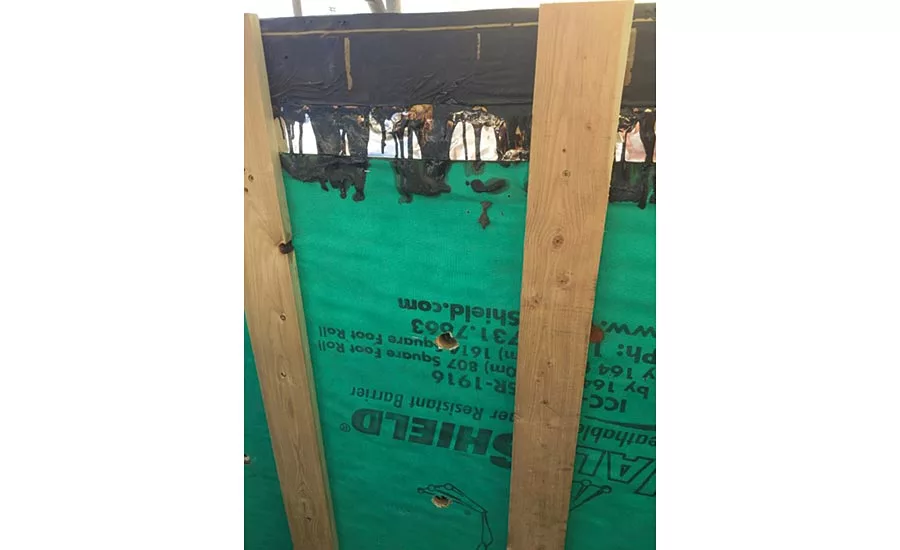
Figure 3: An example of wall to roof transition with material compatibility issues.
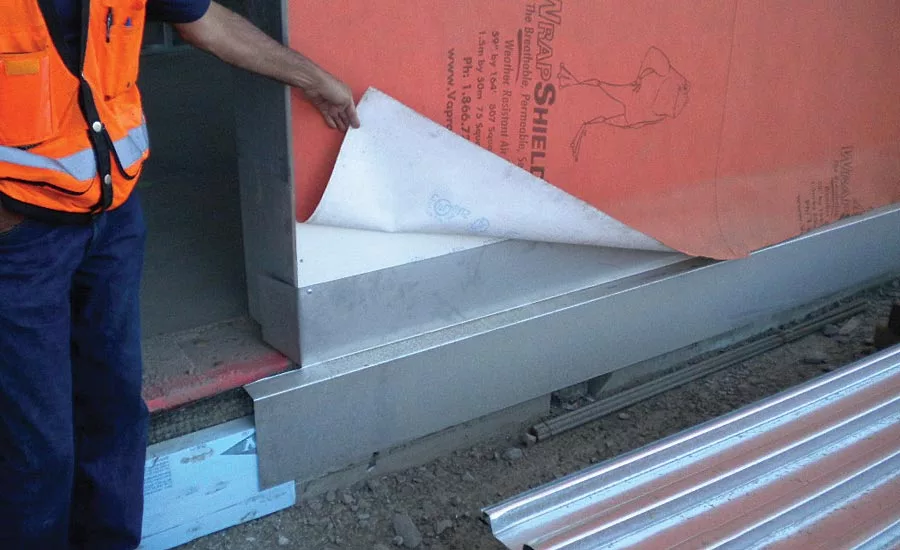
Figure 4: An example of an improperly detailed through wall flashing observed during a site observation walk.
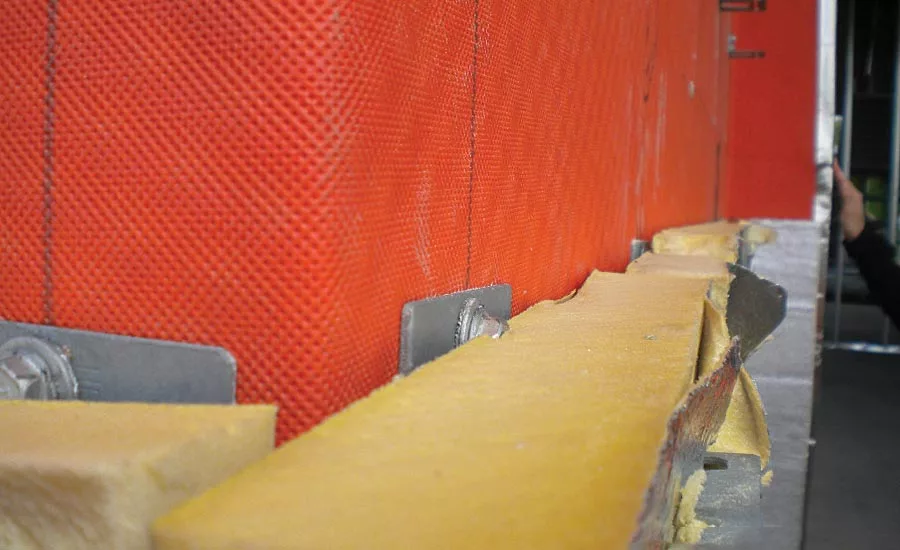
Figure 5: An example of a wall installation with an improperly designed rain screen. Note the rigid insulation installed directly over the face of the WRB/AB preventing proper drainage.
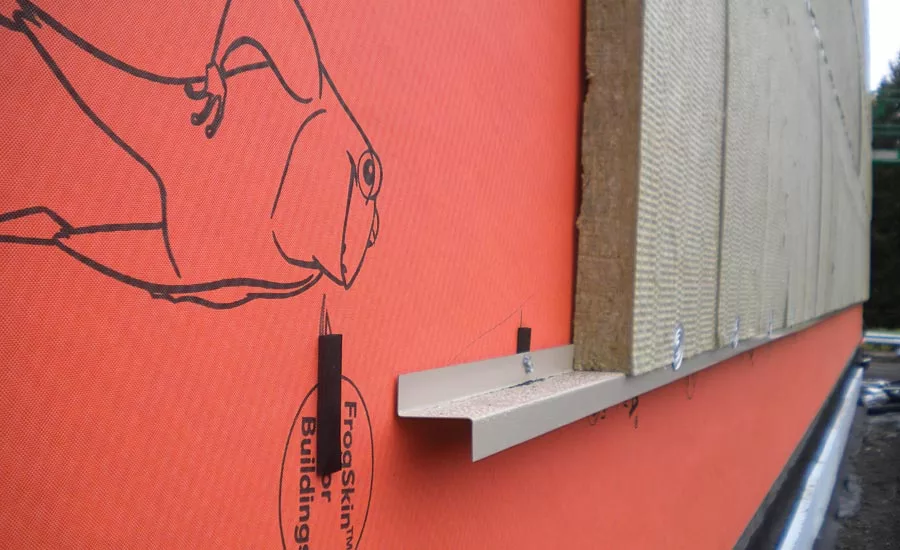
Figure 6: An example of a properly designed and installed rain screen. Note the unimpeded drainage cavity.
As a field technician, I spend a large percentage of my time working with contractors. This involves attending preconstruction meetings, site visits and providing installation training on mock-ups. From my experience, I would like to share with you some of the issues commonly encountered.
The first issue that should be confirmed is if the project has been specified as either a weather resistant barrier or an air barrier. In order to be classified as an air barrier, the membrane must be continuous, without breaks on all six sides of the building. If the details do not represent a continuous seal, then you have yourself a WRB. You would be surprised on the lack of clarity on this matter.
The second issue that should be reviewed in the specification is the matter of primer requirements. Do specific manufacturers require them, or is it left to the contractor to determine? If priming is required, what type? Water based or solvent? Is this primer compatible with the WRB/AB membrane? Many of the current vapor permeable polyolefin membranes can suffer damage when solvent-based primers or petrochemicals come in contact with the face of these membranes. Polyolefin membranes include both polypropylene and polyester membranes. These primers also decrease and limit the permeability of the wall assembly.
Project details are a third issue one must review when putting together an estimate. From my experience at preconstruction meetings, these are the most commonly discussed areas that need clarification.
During these meetings I typically start from the bottom of the structure where the below grade to above grade materials connect. Many refer to this as the base of wall detail or through wall flashing area. This is one of the details frequently requiring amplification. This is due to questions arising anywhere from material compatibility to various contractor’s scope of work.
Proper Sequencing Techniques
As we progress up the structure, the rough opening details would be the next topic. Do the details accurately represent proper sequencing techniques? An example of this would be the field membrane being applied directly into the rough opening. Is this in accordance with the manufacturer’s published installation guidelines? While on the topic of manufacturers, will there be multiple manufacturer’s products being interfaced into the rough opening? Are these products compatible? Does this create material warranty issues? Is your head spinning yet? One still has to consider proper shingle lapping techniques in the rough opening. Are the project details specific in regard to flashing components? Will reverse laps be created directly above or below the rough opening? Keep in mind that rough opening areas are highly prone to construction defect or liability.
The last item to consider in regard to the project details would be the wall to roof transition. Many of the same issues described in the TWF and rough opening repeat at this juncture of the wall assembly. This would apply especially to where the roof underlayment comes in contact with the face of the WRB/AB membrane. Many times these roof underlayments are asphaltic or may contain other petrochemicals, which previously stated, can damage polyolefin membranes.
Moving onto the fourth issue would be the topic of rainscreen design. This is currently a hot topic within the design community. To those not familiar with the term “rainscreen design”: the best way to describe the term would be as an unimpeded drainage plane behind the cladding with a ventilated cavity. This type of wall assembly promotes maximum drainage out through the through-wall flashing. How do you create a rainscreen? This can be achieved by multiple design techniques which all involve providing a space between the face of the WRB/AB membrane and cladding. Some questions that have to be explored are as follows: Are the cladding attachments installed vertically or horizontally on the substrate? If applied horizontally, the cladding attachments will create a water dam due to the lack of a cavity. To reiterate, this is a somewhat new wall assembly technique for some parts of country. This topic has become a common discussion point at most preconstruction meetings.
The final topic to consider would be the matter of cladding systems specified for your project. Will the cladding be an open or closed joint system? If the closed joint cladding system is being utilized, are fastener requirements addressed? This type of cladding system should not be directly fastened to the WRB/AB as a cavity should be required. Open joint systems have minimal gaps or reveals which allow UV exposure to the WRB/AB materials. Is this WRB/AB membrane material UV stable? What is the UV exposure limit for the membrane? Does it cover the life of the building?
As a former contractor and current field technician for a major WRB/AB manufacturer, I feel these topics are crucial when bidding projects. As a contractor you take on a large portion of liability. With this in mind it is imperative that you work closely with the WRB/AB manufacturer’s technical team. They should provide a service which includes product training and installation best practices. Are the current WRB/AB manufacturers that you work with providing your team with these items?
Looking for a reprint of this article?
From high-res PDFs to custom plaques, order your copy today!