How Material Shortages and Labor Can Affect Construction Quality and Put an Organization at Risk

The one-two punch of coronavirus and supply chain disruptions has led to a construction labor crisis and scarcity of critical building materials. To complicate matters, the demand for new homes has never been higher.
From my experience as a legal professional in construction defect litigation, high demand for new housing is often accompanied by an increase in construction defects. When experienced labor is unavailable, construction companies can, often, rely on questionable resources that may include unlicensed individuals who would do (and say) anything to work. This also applies to building materials in short supply, where developers make substitutions or changes in installation best practices. Builders substitute inferior materials for traditional building products and systems, which ultimately negatively influence construction quality.
Shortages in materials and labor are driving the cost of new housing today. Builders are raising the price of new homes to compensate. Some of the shortcuts taken by builders are not discovered until after the sale of the home. It isn’t until a forensic investigator is brought into a distressed property that cost cutting/time saving measures taken during construction are found. Quality control issues may not be visible on the exterior of a completed building. My firm has found it isn’t until owners of a new home report leaks or mold that those intrusive inspections are triggered and reveal poor construction methods.
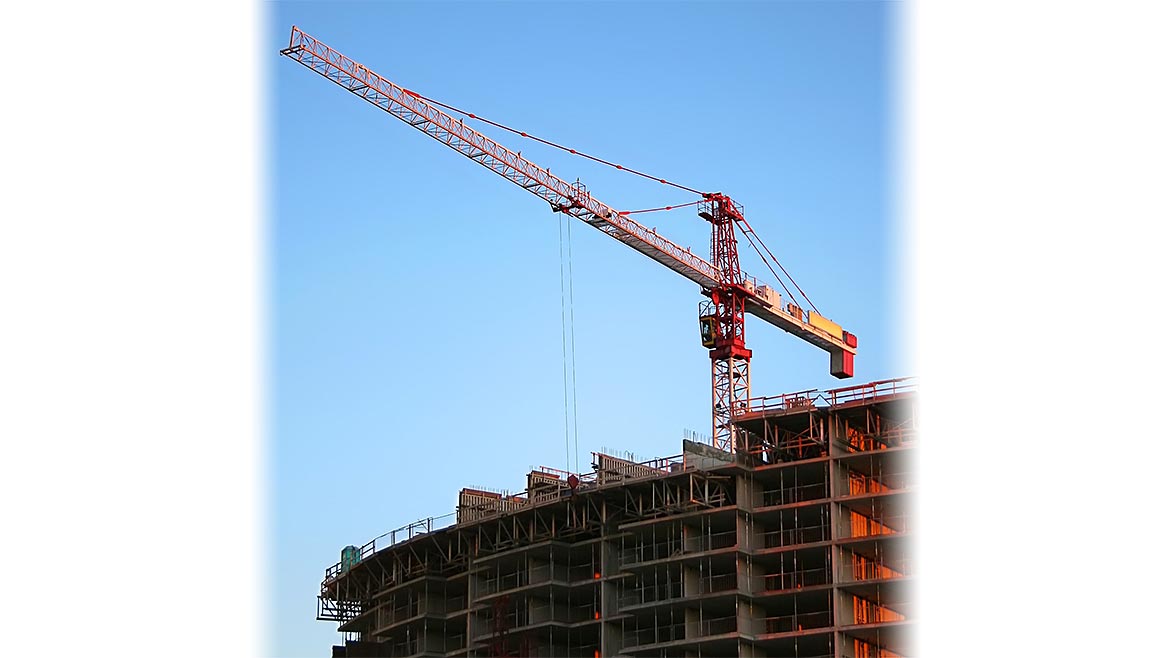 Another issue labor can overlook is that sealants used to waterproof windows must be compatible with the materials they touch.
Controlling quality control
Today’s modern building materials rely on correctly reading and comprehending a manufacturer’s directions and cautions. For instance, waterproofing around windows must be properly integrated with the fins of the windows and the surrounding weather barrier to be waterproof. Makers of these materials include meticulous procedures that—if followed—provide assurances that a window won’t leak. But what we’ve found in many instances is that untrained workers tasked to install this material do it wrong. The consequence to this oversight can lead to water being diverted into the building.
Another issue untrained labor can overlook is that sealants used to waterproof windows must be compatible with the materials they touch. They don’t understand there are a variety of sealants that are not compatible with certain types of adjacent materials and—instead of providing a watertight joint—they can degrade the waterproofing. What’s more, there are sealants incompatible with materials designed to be used as “firestop” measures. We’ve seen sealants used that are not compatible with the CPVC pipe used for sprinkler systems. These types of sealants could degrade this critical pipe and cause it to fail.
With another example, residential balcony design, the popular approach is to enclose supporting beams with a soffit. While this may be visually appealing, the design can also trap moisture in the beams, which can ultimately lead to rot. In this design, when the joint is not properly waterproofed, we’ve seen water entering the enclosed space where the balcony adjoins the building.
Only so much can be done
If the manufacturers of the products above know about these hazards and publish warnings in their guidelines that architects incorporate into drawings and specifications, it begs the question, “Why are we still finding defects in building construction?” In my experience, I’ve found it boils down to an insufficient level of worker training and a lack of on-site quality control. The truth is, workers drawn from “unconventional” sources are most likely not union-trained. It is well known that construction labor unions have training programs for apprentices that can turn out highly skilled workers in several trades; workers educated in how to follow a manufacturer’s guidelines and architectural details. Sadly, I’ve seen from experience that union-trained labor is often avoided to reduce costs or because union labor is just not available.
Architects, superintendents or supervisors can oversee on-site quality control and flag mistakes and misapplications on location. However, especially with production housing, there are just way too many sites with critical installations for architects or supervisors to watch constantly. The tiniest error, such as a joint where the sealant was not applied completely, can, over time, cause internal damage. Monitoring untrained workers on a consistent basis is impossible for supervisors, and architects are seldom on-site every day to observe installation processes.
Because the demand for production housing is so high, builders can be tempted to experiment with new designs intended to reduce build times and expenses. For example, using Direct Applied Finish Systems instead of stucco, or using hardboard in lieu of real wood siding, or foam trim instead of concrete or wood. These applications are poorer in quality than what they replace. While they may cost less and take less time to install, they are frequently the subject of defect litigation.
The bottom line
While labor shortages and supply chain issues may be leading to the rise in home prices, the long-term impact of taking shortcuts during construction could ultimately compromise portions of a building to moisture intrusion or degradation. To prevent these construction defect mistakes (and prevent the litigation that could follow), it is imperative sites use trained, skilled labor.
What I can tell you from experience is that litigation over construction issues usually follows a hot real estate market by several years. I believe we are getting to that point. This is unfortunate, because the people who buy these new properties will suffer the most from leaks, rot and other failures. We can’t just say we need to provide more quality control, because we know inspectors can’t micromanage workers all day. And we know city inspections are cursory and municipalities can’t supply the number of inspectors it takes to avoid these types of construction defects in new developments.
While it’s tempting to blame construction defects on supply chain-related shortages, it needs to be noted that poorly trained labor and cost-cutting substitutions have been with us for decades and will always accompany high housing demand. Sadly, developers who try to meet that demand with project solutions that don’t include robust quality control and quality materials will discover construction defect claims hard to avoid.
Looking for a reprint of this article?
From high-res PDFs to custom plaques, order your copy today!





