Walls & Ceilings logo
search
cart
facebook twitter linkedin youtube youtube Spotify Podcasts Apple Podcasts Spotify Podcasts Apple Podcasts
  • Sign In
  • Create Account
  • Sign Out
  • My Account
Walls & Ceilings logo
  • NEWS
  • TOPICS
    • Drywall
    • Stucco/EIFS
    • Ceilings
    • Steel Framing
    • Fireproofing
    • Interior Plaster
    • Building Envelope
    • Insulation
    • Technology
    • Interior
    • Exterior
    • Women In Construction
  • COLUMNS
    • Up Front
    • All Things Gypsum
    • Art & Craft of Plastering
    • Stucco Stop
    • Steel Deal
    • Industry Voices
  • PRODUCTS
    • Buzz Guide
  • EVENTS
    • Industry Events
    • Webinars
    • BUILD Expo
  • MEDIA
    • Videos
    • Podcasts
    • Photo Galleries
    • BUILD26 Videos
    • Take our Quiz!
    • Infographics
  • EXCLUSIVE
    • Newsletters
    • Top 50 Contractors
    • Contractor of the Year
    • State of the Industry
    • W&C Store
    • Market Research
    • CEUs
    • Sponsor Insights
    • Custom Content & Marketing Services
  • DIRECTORY
  • EMAGAZINE
    • eMagazine
    • Advertise
    • Archive Issues
  • SIGN UP!
Building EnvelopeExteriorStucco/EIFS

Urban Climate Chaos: The AWBs of Future-Proofing the Built Environment

AWBs Can Help With Climate Change But Are Not The Ultimate Solution
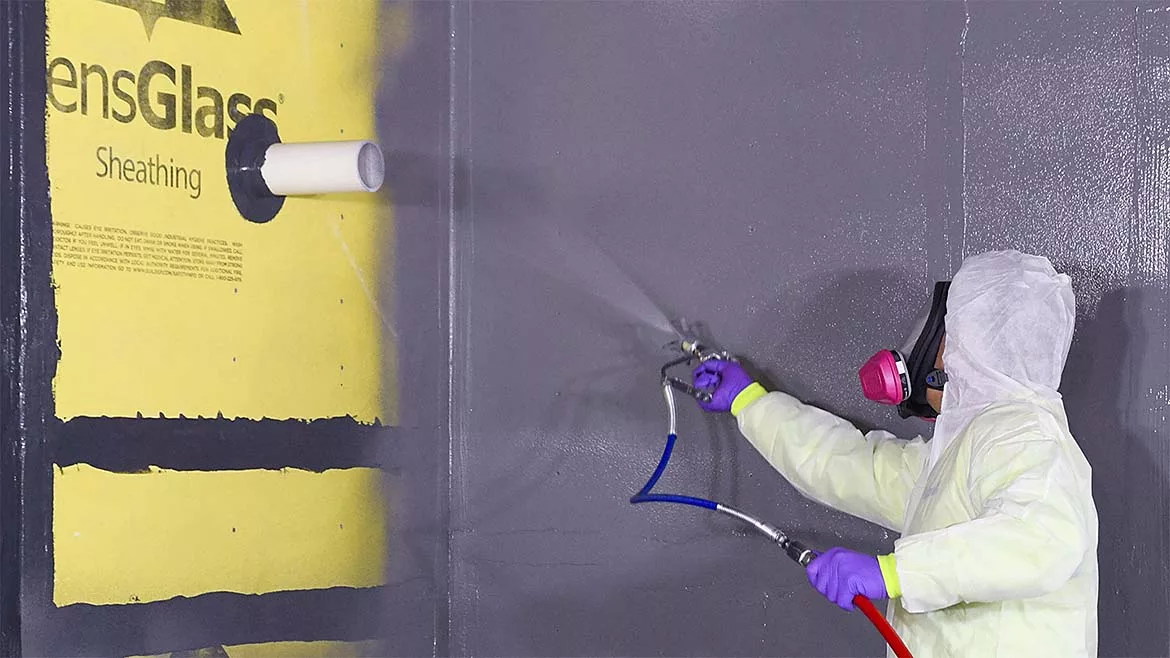
By Benjamin Meyer AIA, LEED AP
A man applying spray foam
Images courtesy of Siplast.
June 20, 2024

It is estimated that the commercial building floor space is expected to reach 124.6 billion square feet by 2050, and much of these developments serve and accommodate the roughly 83 percent of the United States population that resides in urban areas. The expansion of modern bustling metropolises is overshadowed by another, more threatening estimate – the rapid and nearly irreversible increase of climate-related natural disasters, causing particularly significant damage to properties and infrastructure in densely populated urban areas.

Prioritizing waterproofing in all new commercial infrastructure is, therefore, vital to ensuring not only its ability to serve its communities safely, but also to endure and protect as climate conditions become increasingly unpredictable. The construction industry directly responsible for meeting that new reality must embrace a future-conscious mindset, seeking sustainable and durable building solution innovations that offer protective building enclosure measures. Air- and water-resistive barriers are a highly efficient tool to help future-proof the built urban environment.
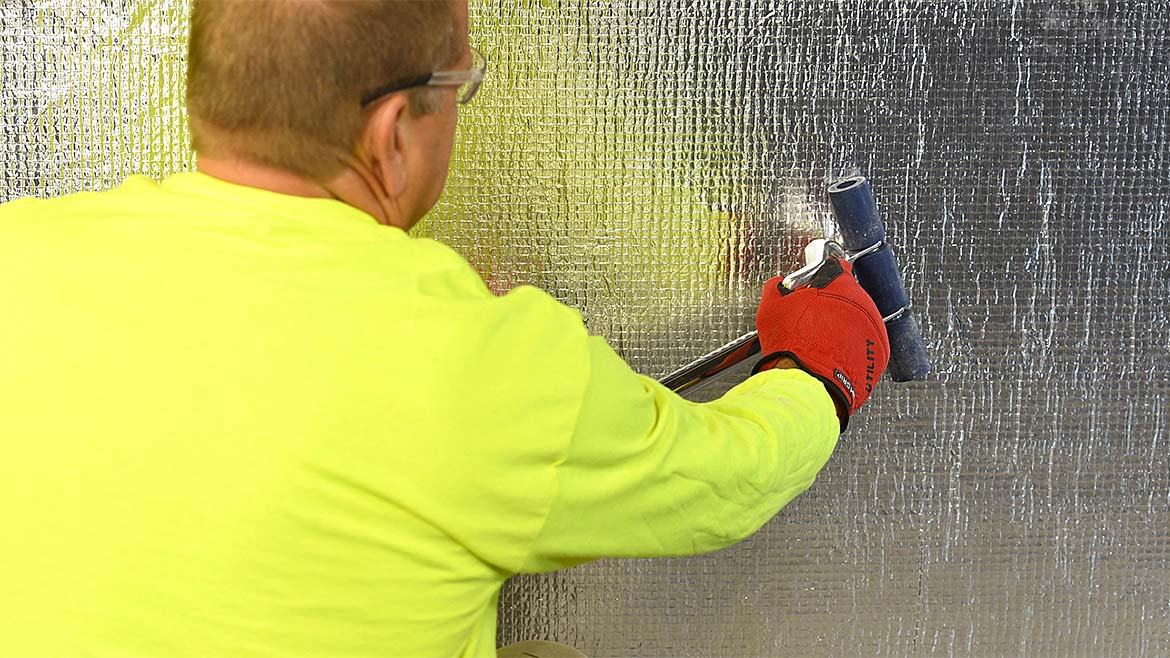
An man installing a weather barrier

A (Brief Overview of AWBs)

Required to fulfill existing energy code requirements, air barriers, simply put, prevent air from entering or leaving a structure, while water barriers keep water from intruding the building envelope. If installed properly, their primary purpose is to maintain a consistent indoor climate, enable IAQ and prevent moisture damage. AWBs performing inefficiently due to poor design and construction choices have a direct impact on other operations that sustain the building envelope, from energy inefficiency due to overload on HVAC systems to increased carbon emissions to air and water leaks affecting the building.

With installation and upkeep varying based on AWB type, selecting the air barrier most suited for the climate, location and purpose of new construction is crucial to its success. What is more, almost all other aspects of a structure, from design to material selection to detailing and specification of required control layers, can make or break the barriers’ ability to perform efficiently and, most importantly, endure long-term.

An investment in resiliency, durability and occupant comfort, the inherent purpose of AWBs carries the potential to extend a building’s lifespan, reduce energy consumption and help future-proof the design.

W(hy AWBs)?

How does extending a building’s lifespan and improving energy efficiency contribute to protection from extreme and unpredictable weather? The answer is layered. Extending the lifespan of the built environment correlates directly with extended protection from the elements. Increased rainfall and extreme drought have a massive impact on a building’s infrastructure. High-performing AWBs, if properly installed with the intent to withstand extreme weather conditions, mitigate the risk of exposing occupants and the building itself to extreme climate events. AWBs represent a substantial commitment to a more sustainable future by helping to decrease harmful waste and emissions during the use and occupancy phase, the largest and most impactful stage of the building’s life.

AWBs’ ability to improve energy efficiency, therefore, aid in cutting down the industry’s contribution to that impact. In the face of predicted extreme heat and freezing cold temperatures as well as increased risk of natural disasters, AWBs performing efficiently to restrict the movement of air and deter air leakage allow HVAC systems to run smoothly and retain a consistent and safe indoor climate without extensive energy loss.
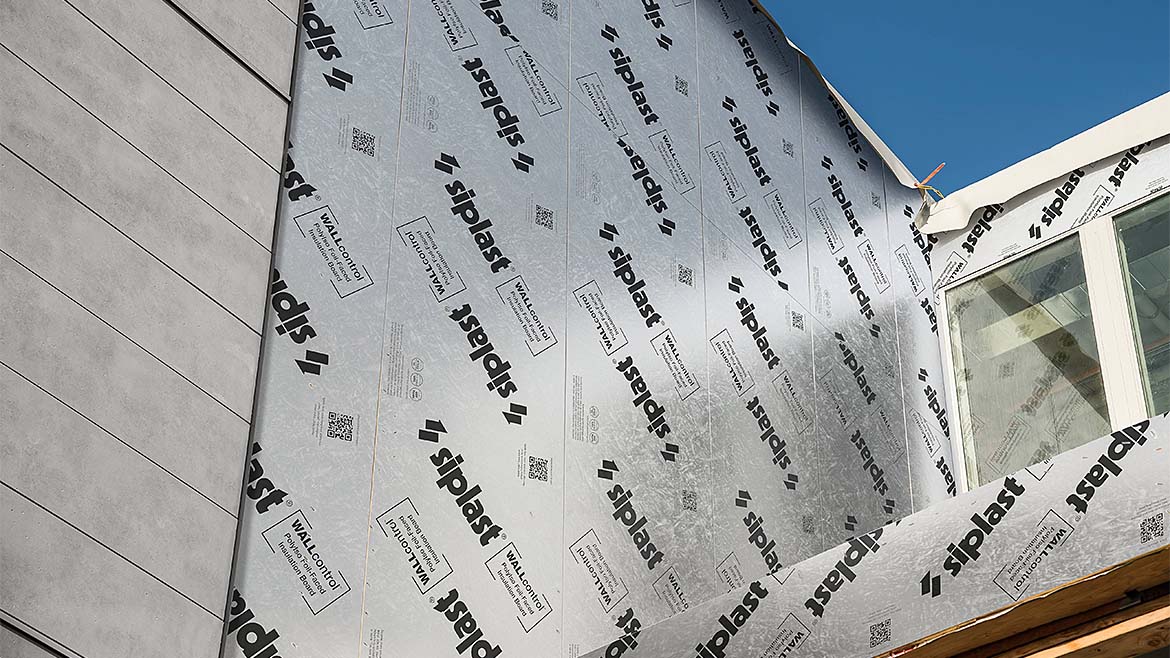
a weather barrier

B(eyond the Physical Solution)

AWBs are not, however, a magic solution to climate change. They are a tool that must be consistently improved, tested and integrated into a building’s ecosystem to perform in symbiotic tandem with all other building systems and operations. If their installation and specification is not up to par, inefficient performance risks an expensive, harmful and unsafe outcome that defeats the highly beneficial purpose of AWBs and creates a hazard rather than protection against climate change.

Avoiding this misstep requires a deep understanding of the building envelope, the future of our climate and collaboration of the forces that be, on all sides of the industry. It requires thoughtful policy change, a widespread grasp on the interconnectivity of improved energy efficiency, IAQ efforts, sustainability standards and carbon emissions. High-performing AWBs are a key tool to achieving long-term resiliency, innovation and sustainability of building solutions.

Air- and water-resistive barriers carry enormous potential in safeguarding our built environments and the densely populated commercial urban spaces we inhabit. From potentially extending the building’s lifespan to increasing energy performance to improving occupant comfort, AWBs are an often-underappreciated component in the building, design and construction industry’s tool kit. They can be viewed as just a nail without a hammer, but for AWBs to act as intended and perform to their full potential, sustainable requirements concerning the entire building envelope must be met and enforced. In an industry notorious for its resistance to forward-thinking change, it is crucial to recognize that improvements in the building enclosure is a top priority to help manage extreme climate events. Mastering the AWBs of air- and water-resistive barriers is just one of many steps in the direction of a more resilient, self-sufficient and climate-conscious urban future.

KEYWORDS: environmental impacts IAQ (indoor air quality) WRB (weather resistant barrier)

Share This Story

Looking for a reprint of this article?
From high-res PDFs to custom plaques, order your copy today!

Wc0126 feat siplast p5 ben meyer
Benjamin Meyer, AIA, LEED AP, serves as Building Enclosure Business Director for Siplast. He also serves as chair of the ASHRAE 90.1 Envelope Committee, Director of the Air Barrier Association of America, past LEED Technical Committee member and past Technical Advisor of the LEED Materials TAG.

Recommended Content

JOIN TODAY
To unlock your recommendations.

Already have an account? Sign In

  • Abercrombie & Fitch

    EIFS in 2026: How Specialty Finishes Are Redefining Exterior Wall Systems

    As building codes, owner expectations, and design demands...
    Stucco/EIFS
    By: Regi Mendoza
  • proper air and vapor control

    From Energy Efficiency to Moisture Management: Why Air and Vapor Control Matter

    How proper air and vapor control within building...
    Building Envelope
    By: Benjamin Meyer AIA, LEED AP
  • Linear Metal Ceiling Beam Baffles

    Top 25 Ceiling Contractors of 2026

    Suspended ceilings demand precision, code compliance and...
    Ceilings
    By: John Wyatt and Tanja Kern
You must login or register in order to post a comment.

Report Abusive Comment

Manage My Account
  • eMagazine Subscription
  • Newsletters
  • Online Registration
  • Manage My Preferences
  • Subscription Customer Service

More Videos

Sponsored Content

Sponsored Content is a special paid section where industry companies provide high quality, objective, non-commercial content around topics of interest to the Walls & Ceilings audience. All Sponsored Content is supplied by the advertising company and any opinions expressed in this article are those of the author and not necessarily reflect the views of Walls & Ceilings or its parent company, BNP Media. Interested in participating in our Sponsored Content section? Contact your local rep!

close
  • medical professionals moving a patient on a stretcher through the halls of a medical building
    Sponsored byNational Gypsum Company

    What Does High Performance Mean When It Comes To Gypsum Boards?

Popular Stories

Linear Metal Ceiling Beam Baffles

Top 25 Ceiling Contractors of 2026

Wichita Biomedical Campus

Wichita Drywall Worker Dies After Scaffolding Fall

QXO Just Changed the Game-Here's What Contractors Are Asking

QXO Just Changed the Game-Here's What Contractors Are Asking

An interior drywalling work in progress

Boost Profits with AI Scheduling

Events

June 24, 2026

The Bright Side & Benefits of Designing with Integrated Lighting

Credits 1 AIA LU/HSW; 0.1 ICC CEU

This course will explore the pivotal role architects and lighting design play in creating safer, more sustainable spaces. Learn how to avoid common lighting mistakes and make informed decisions that create the best visual environment for occupants. 

January 1, 2030

Webinar Sponsorship Information

For webinar sponsorship information, visit www.bnpevents.com/webinars or email webinars@bnpmedia.com.

See our full library of webinars

View All Submit An Event

Products

2026 National Painting Cost Estimator

2026 National Painting Cost Estimator

See More Products

Related Articles

  • Up Front: A Walls & Ceilings Editorial Column by Mark Fowler

    Ceilings with Stucco, EIFS and DAS

    See More
  • A sealant application

    New Trends in Construction Sealants and Adhesives

    See More
  • NIBS logo

    National Institute of Building Sciences Announces Built Environment Award Recipients

    See More

Related Products

See More Products
  • building codes illustated.jpg

    Building Codes Illustrated: A Guide to Understanding the 2021 International Building Code, 7th Edition

  • 1118749847.jpg

    The Gypsum Construction Handbook, 7th Edition

  • Lean Builder book cover - front.jpg

    The Lean Builder

See More Products

Events

View AllSubmit An Event
  • CONSTRUCT

    CONSTRUCT is an AEC educational program and exhibition that has the goal of bringing together the different disciplines within the construction industry to help improve the future of the built environment.
View AllSubmit An Event

Related Directories

  • The QUIKRETE Companies

    Concrete and mortar mixes, cements; concrete repair products, stucco, waterproofing, tile setting and blacktop products, floor underlayments and overlayments, sand and aggregates, concrete coatings, shotcrete products, bulk products, and other seasonal items.
×

Connect with the industry’s leading resource for unparalleled insights and education.

Join thousands of industry professionals today. Shouldn’t you know what they know?

JOIN NOW
  • RESOURCES
    • Advertise
    • Contact Us
    • Directories
    • Store
    • Want More
  • SIGN UP TODAY
    • Create Account
    • eMagazine
    • Newsletters
    • Customer Service
    • Manage Preferences
  • SERVICES
    • Marketing Services
    • Reprints
    • Market Research
    • List Rental
    • Survey/Respondent Access
  • STAY CONNECTED
    • LinkedIn
    • Facebook
    • Instagram
    • YouTube
    • X
  • PRIVACY
    • PRIVACY POLICY
    • TERMS & CONDITIONS
    • DO NOT SELL MY PERSONAL INFORMATION
    • PRIVACY REQUEST
    • ACCESSIBILITY

Copyright ©2026. All Rights Reserved BNP Media, Inc. and BNP Media II, LLC.

Design, CMS, Hosting & Web Development :: ePublishing