Steel Framing’s Sustainability Revolution
How does low embodied carbon steel framing differ from traditional steel framing?
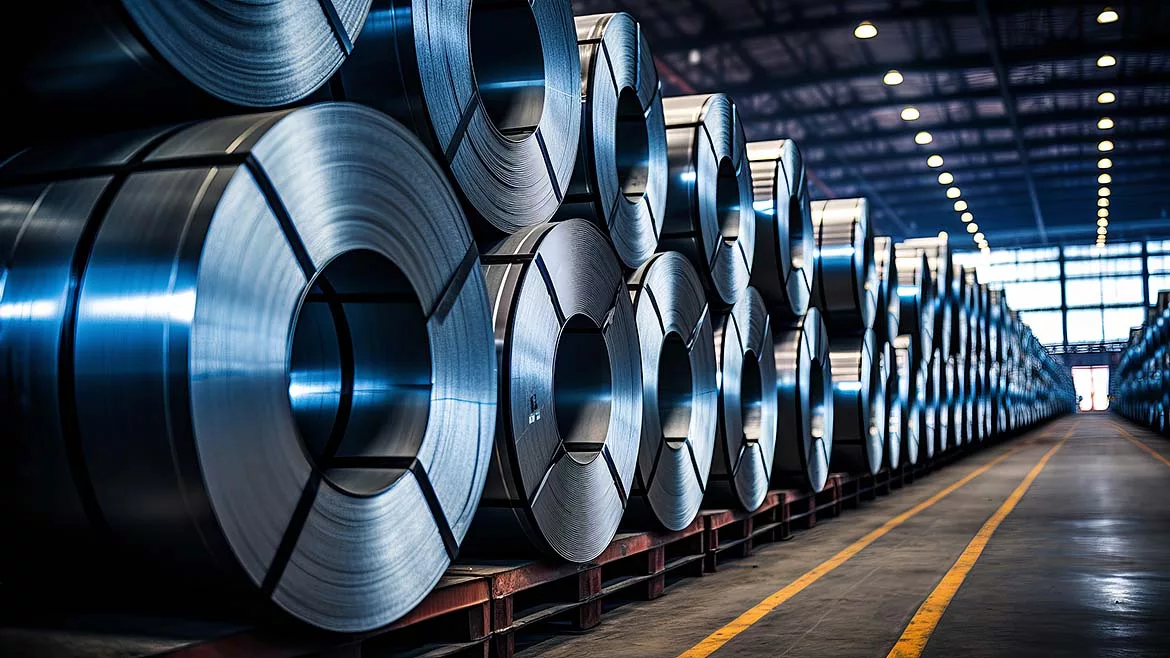
Steel has been around for ages. Like many materials, its mining and production processes have evolved over time to be more efficient. More recently, modern advancements—and consumer demands—have pushed manufacturers in various industries to develop more sustainable ways to produce steel. This is especially true within the construction segment, where today’s architects and builders can now specify products like low embodied carbon steel framing to help reduce the environmental footprint of the homes and buildings they design and construct.
LEC products “have less climate impact associated with mining, manufacturing and transportation,” according to the Environmental Protection Agency. Studies from the Carbon Leadership Forum indicate that building and infrastructure materials make up 17 percent of global greenhouse gas emissions, so ensuring sustainable supply chains for LEC building products has significant worldwide impact.
So, what exactly differentiates LEC steel framing from its standard counterpart? Contrary to popular belief, it starts long before the steel even makes its way to the framing manufacturer. Not all steel is created equally. Steelmaking is a multistep process with varying methods and production routes. Choices can be made at various points throughout the process to make steel more sustainable.
The Steelmaking Process
The World Steel Association has a comprehensive breakdown of the steelmaking process (check out its interactive infographic here) into seven basic steps. In short, these steps are:
- Raw Materials: This stage in steelmaking is where the journey toward a sustainable product truly begins. Utilizing recycled steel at this early juncture sets a benchmark for low embodied carbon by effectively bypassing several energy-intensive processes. New steel is conventionally made via the basic oxygen furnace route, which relies on iron ore, necessitating mining, transportation, raw material preparation and ironmaking—each step contributing significantly to embodied carbon emissions. In contrast, recycled steel, predominantly used in the electric arc furnace route, enters the steelmaking phase (step four below) after being sorted, generally circumventing steps two and three below. This fundamental shift in raw material sourcing underscores the pivotal role of recycling in decarbonizing the steel industry, establishing a greener foundation from the outset.
- Raw Material Preparation: Raw materials are processed to optimize their suitability for subsequent ironmaking or steelmaking processes. Iron ore headed to a BOF mill must first undergo extensive preparation, including processes to enhance the iron content and remove impurities, as well as crushing and grinding the ore into smaller, uniform pieces. EAF mills, which predominantly use recycled steel, typically demand less extensive preparation of sorting and sizing before being charged into the furnace.
- Ironmaking: In this stage, iron ore is transformed into molten iron using a blast furnace. Iron ore, coke (derived from coal) and limestone are heated, with coke acting as fuel and a reducing agent. Limestone removes impurities as slag. Notably, this step applies only to the BOF route; the EAF route bypasses this energy-intensive stage.
- Steelmaking: The steelmaking process is where molten iron, derived from ironmaking or recycled steel, is transformed into steel. In BOF mills, oxygen is blown into the BOF to reduce the carbon content of the molten iron and remove impurities, resulting in steel. EAF mills, on the other hand, use electrical energy, sometimes supplemented with oxygen injection, to melt scrap steel and adjust its chemical composition through the addition of alloys.
- Semi-Finished Products: Steel is cast into a semi-finished shape, such as slabs, billets or blooms.
- Hot-Rolled Products: Steel is then hot-rolled into a variety of products, including rebar, coils, structural shapes and more.
- Finishing Operations: A number of finishing procedures can then occur, including painting, galvanizing and cold rolling, to reduce further the thickness of a hot-rolled plate or coil products.
It’s not until after the seventh step that steel is shipped to companies, like steel framing manufacturers, where it is shaped into end-use products.

Steel Framing Certification
So, back to the question of what makes LEC steel framing different from its traditional counterpart: it all comes down to how the steel was made. In most cases, LEC steel is made with high percentages of recycled content and processed at an EAF mill, resulting in up to 30 percent less embodied carbon than steels using different raw material inputs. LEC steel framing comes with the proper data to back this up, including Environmental Product Declarations, Life Cycle Assessments and more. This documentation is especially important for architects and builders seeking certifications, like LEED.
Under LEED v4.1, for example, building teams can earn up to two points for the “Material and Resources Credit: EPDs.” To earn these points, teams must achieve one or more of the following options:
Option One: Environmental Product Declaration (one point)
Option Two: Embodied Carbon/LCA Optimization (one point)
The first option requires that a project include at least 20 different products from at least five different manufacturers that meet certain disclosure criteria using LCAs or EPDs.
Option Two requires that projects include at least five products from at least three manufacturers that have a compliant embodied carbon optimization report. The second option requires fewer products than the first option, but only a handful of products on the market meet its criteria.
Depending on the level of data or documentation a manufacturer has, some products can technically count as one or 1.5 “products” toward the first option and/or as 0.5, one, 1.5 or two “products” toward the second option. There is, for instance, LEC steel framing available nationwide that has the documentation needed to count as 1.5 products toward both the first and second options.
The Future of Steelmaking
Steelmaking has come a long way over the years. In addition, while a low embodied carbon perspective would have all steel ideally coming from EAF mills, BOF mills do still have a benefit in today’s market. There is currently not enough steel being recycled to supply the total market demand for new steel products, and maintaining a balance between EAF and BOF sources can support a resilient supply chain, help mitigate price volatility, and allow for quick and flexible adaptations to demands. It’s worth noting that BOF mills are also exploring ways to produce more sustainable steel themselves.
Regardless, it’s incredibly exciting to see verified low embodied carbon methods advance into the construction market today. It makes you wonder: what other materials can follow suit? Moreover, what’s next for steel? Because if one thing is for sure, it’s that this is only the beginning of further sustainable evolution.
Looking for a reprint of this article?
From high-res PDFs to custom plaques, order your copy today!