How Robotics Are Reshaping the Drywall and Finishing Industry
Robotics are transforming the industry by improving efficiency, reducing physical strain, and ensuring higher quality results on walls and ceilings.

For decades, drywallers and finishers have relied on muscle, skill, and precision to get walls and ceilings ready for paint. While craftsmanship remains central, robotics are beginning to make a real impact on the trade, offering new tools that ease labor demands and boost productivity.
One of the biggest benefits robotics bring is reducing physical strain. Installing and finishing drywall (especially on ceilings) puts constant stress on the back, shoulders and arms. Robotic lift systems can now hold sheets of drywall in place while workers secure them, eliminating one of the most demanding parts of the job. Similarly, robotic sanding machines are being used to smooth large surfaces without the fatigue that comes from hours of overhead or repetitive sanding.
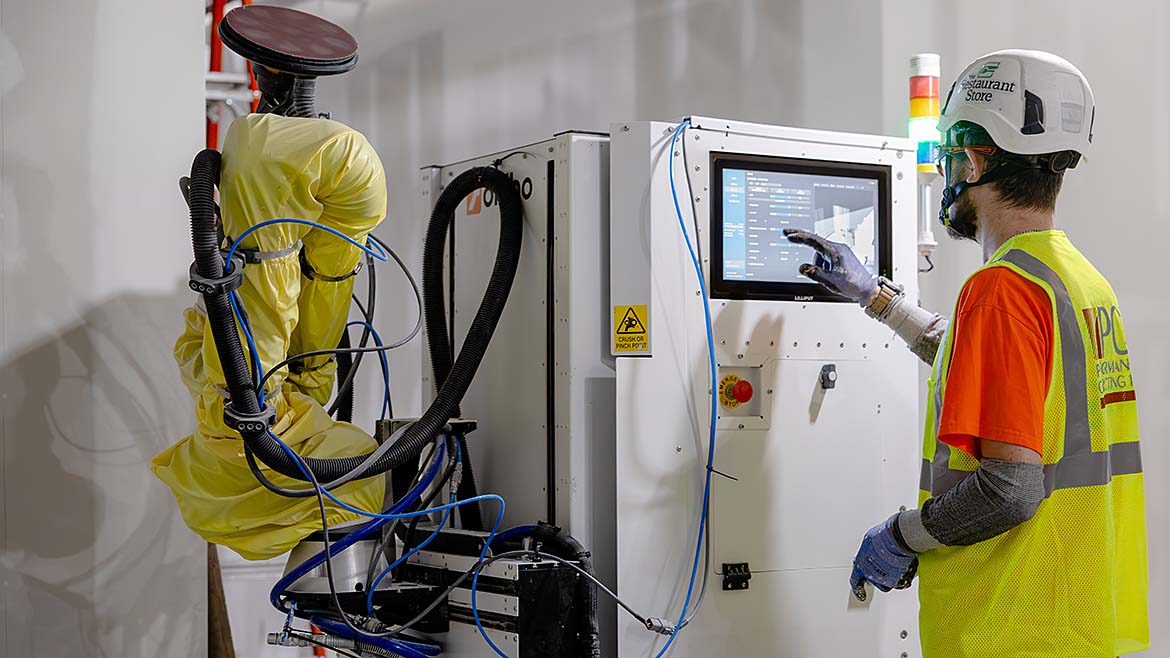
Robotics also help with consistency and precision. Automated taping and finishing tools are designed to apply joint compound evenly and smoothly, cutting down on rework and improving the overall surface finish. In high-volume projects, such as commercial buildings or multifamily housing, this consistency can mean tighter schedules and fewer callbacks for quality corrections.
Another major driver is efficiency on large-scale jobs. Construction schedules are often compressed, and finding enough skilled labor can be a challenge. Robotic systems can support crews by handling repetitive or labor-heavy tasks, freeing up drywallers and finishers to focus on detail work and final touches where craftsmanship is key. Some robotic platforms even integrate with digital building models, helping align drywall installation with precise measurements taken from the project’s plans.
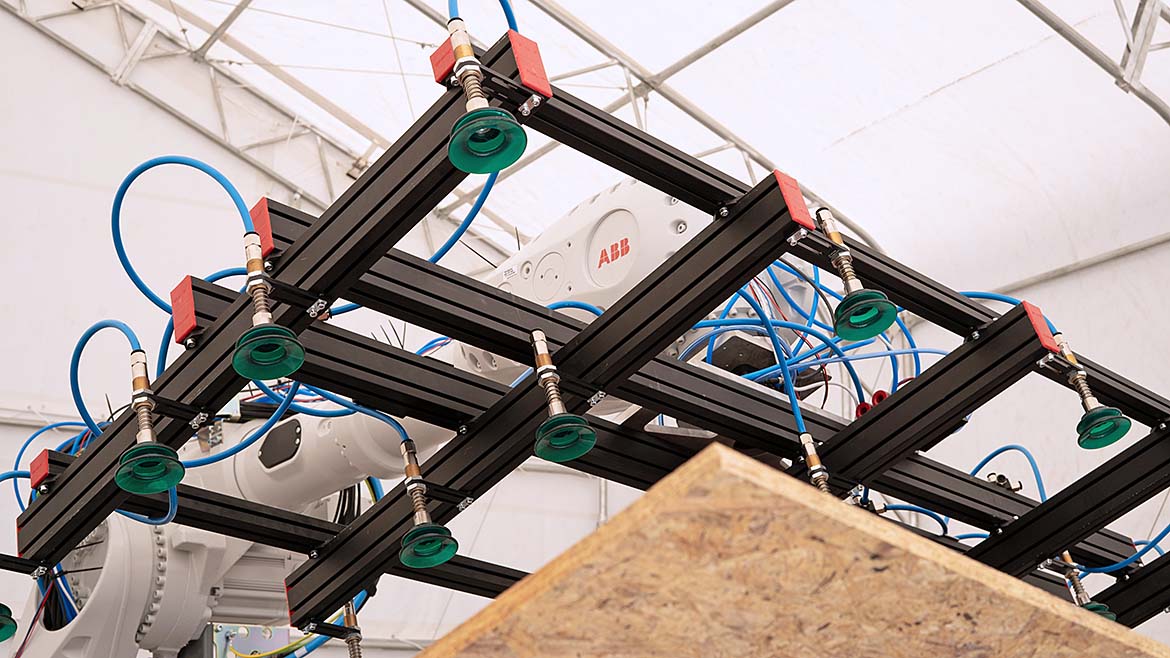
Of course, robotics are not here to replace skilled tradespeople. Instead, they act as tools that extend capabilities. A drywall finisher’s eye for detail, ability to adapt to unique site conditions, and understanding of materials can’t be replicated by a machine. What robotics can do is handle the heavy lifting, monotonous sanding, or uniform application of compound, making the trade more sustainable for workers over the long term.
As robotics become more affordable and accessible, drywall contractors and finishing crews who adopt them early may find they gain a competitive edge. With less physical wear on workers, faster turnaround times, and more consistent results, robotics are not just a futuristic idea—they’re quickly becoming an everyday part of building walls and ceilings.
Looking for a reprint of this article?
From high-res PDFs to custom plaques, order your copy today!