In November 2005, Dow BioProducts Division of Dow Products Canada announced it would stop producing its popular Woodstalk straw-based composite panel. This announcement came as a great surprise and shock to many architects, specifiers and end-users as well as those familiar with the product in the green building movement’s hierarchy.
It’s not surprising when the modification process for the codes gets so wrapped up in what happened in the past that it seems to lose perspective on the future. The recent push for the building codes to address residential dwelling bracing and wind load requirements is somewhat emblematic of this concept.
The code requirements for the use of EIFS over moisture-sensitive substrates like wood include adding the capability for the EIFS to drain. This added capability results in an EIFS product type that is commonly known as EIFS with Drainage, indicating the drainage capability has been added on to a conventional (barrier) EIFS.
This month, we’ll get more specific by focusing on what ideally should be three phases of the hiring process. You risk costly mistakes by taking shortcuts in the critical decision about who to put on your payroll.
I would imagine the reason for building a $2 million replica home and installing $3 million worth of landscaping before adding water are illogical efforts to maximize quality or to achieve perfection?
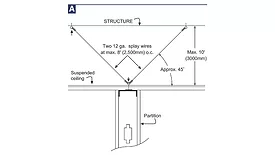
Q. On a recent project, we installed steel studs to the underside of the grid system for a suspended acoustical ceiling. I used screws to attach the runner track to the ceiling grid. I then installed my “kickers,” or permanent bracing to the structure above. I was then told to go back and remove all the temporary screws to allow the ceiling to float. Why?
In November 2004, the GreenSpec Directory – publishers of the environmental newsletter EBN (Environmental Building News) – announced the Top 10 green building products of 2004. Winner of one of these awards was a product from CertainTeed Corp.: the Membrain Smart Vapor Barrier.
I am convinced, based on extensive studies in this area, that leadership among Latinos is the No. 1 critical training area necessary among the Latino population. Many Latinos have not been trained in professional leadership principles, much less in how to lead in the American organization.
 RSS
RSS