Walls & Ceilings logo
search
cart
facebook twitter linkedin youtube youtube Spotify Podcasts Apple Podcasts Spotify Podcasts Apple Podcasts
  • Sign In
  • Create Account
  • Sign Out
  • My Account
Walls & Ceilings logo
  • NEWS
  • TOPICS
    • Drywall
    • Stucco/EIFS
    • Ceilings
    • Steel Framing
    • Fireproofing
    • Interior Plaster
    • Building Envelope
    • Insulation
    • Technology
    • Interior
    • Exterior
    • Women In Construction
  • COLUMNS
    • Up Front
    • All Things Gypsum
    • Art & Craft of Plastering
    • Stucco Stop
    • Steel Deal
    • Industry Voices
  • PRODUCTS
    • Buzz Guide
  • EVENTS
    • Industry Events
    • Webinars
    • BUILD Expo
  • MEDIA
    • Videos
    • Podcasts
    • Photo Galleries
    • BUILD26 Videos
    • Take our Quiz!
    • Infographics
  • EXCLUSIVE
    • Newsletters
    • Top 50 Contractors
    • Contractor of the Year
    • State of the Industry
    • W&C Store
    • Market Research
    • CEUs
    • Sponsor Insights
    • Custom Content & Marketing Services
  • DIRECTORY
  • EMAGAZINE
    • eMagazine
    • Advertise
    • Archive Issues
  • SIGN UP!
ICFs/SIPs

The Benefits of an ICF Home

By Paul Hubble
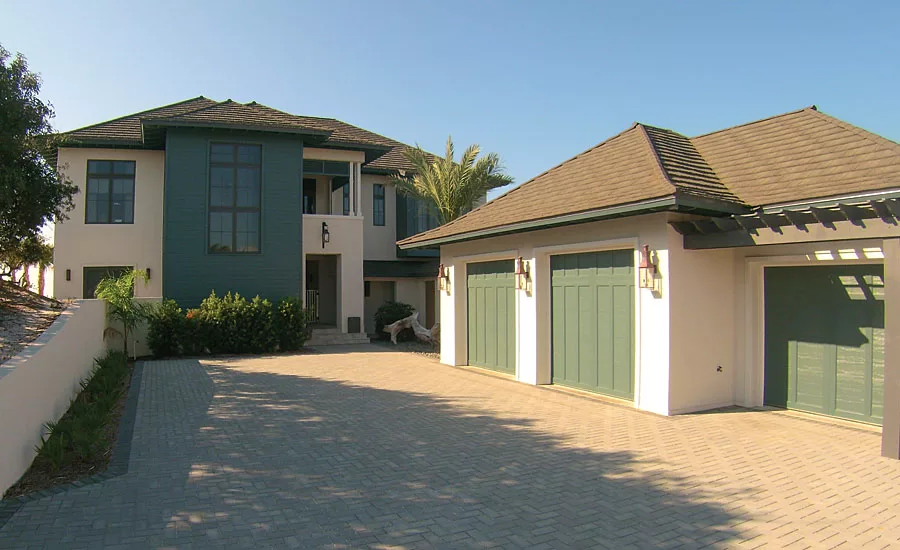
ICF Homes
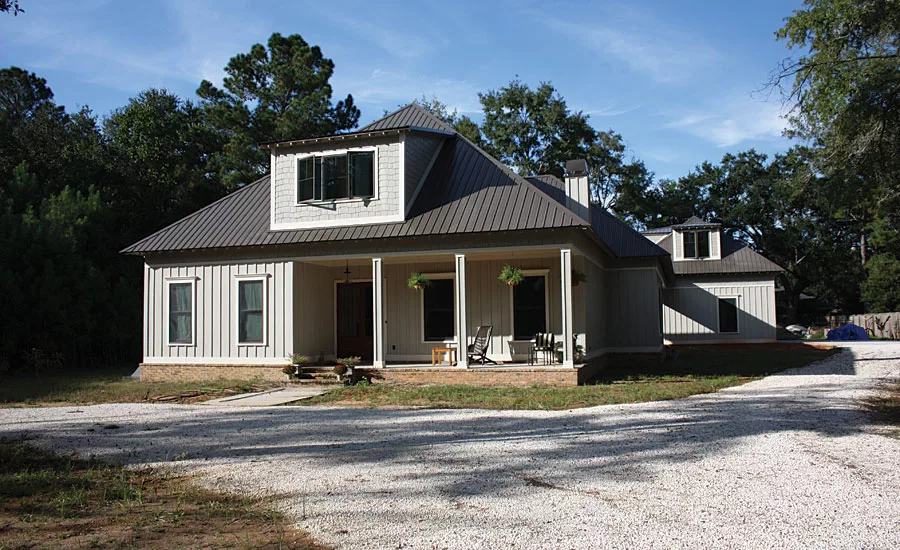
ICF Homes
ICF Homes
ICF Homes
ICF Homes
ICF Homes
ICF Homes
ICF Homes
ICF Homes
ICF Homes
April 1, 2016

What do insulated concrete form walls offer that wood-framed walls can’t, in terms of comfort, performance, affordability and safety? Keep reading as there are some compelling benefits, according to statistics from ICFA and PCA.

Lower Energy Bills

Homes built with ICF walls require about 44 percent less energy to heat and 32 percent less energy to cool than a comparable wood-frame house, based on a study of 58 single-family homes located throughout the United States and Canada.

Half had exterior concrete walls constructed using ICFs and the other half were comparable neighboring houses with wood-frame walls. All the houses were less than six years old. The energy savings come from the outstanding insulating values for ICF walls (as high as R-40, compared to wood-frame’s R-9 to R-15 values) and tighter construction.

Greater Comfort

Those who live in ICF homes say the absence of cold drafts and unwanted noise are the biggest pluses, even topping the energy-saving benefits. Houses built with ICF walls have more even air temperatures and are far less drafty. The barrier formed by the foam-and-concrete sandwich cuts air infiltration by as much as 75 percent when compared with a typical frame house. The high thermal mass of the concrete also buffers the home’s interior from extreme outdoor temperatures, while the continuous layer of foam insulation minimizes temperature fluctuations inside the home by eliminating the cold spots that can occur in frame walls along the studs or at gaps in the insulation.

The forms are equally effective at keeping out loud noises. The greater mass of concrete walls can reduce sound penetrating through a wall by more than 80 percent when compared to stick-built construction. Although some sound will still penetrate the windows, a concrete home is often two-thirds quieter than a wood-frame home.

ICFs and concrete are also an unappealing food source for termites, carpenter ants or rodents that often dine on or reside in wood-framed walls, which makes your home basically pest free.

Healthier Indoor Environment

ICF walls contain no organic material, so they won’t support the growth of mold, mildew and other potentially harmful microorganisms. They also reduce the infiltration of air that can bring in outside allergens.

The polystyrene foam used in many ICF walls is completely nontoxic and free of formaldehyde, asbestos and fiberglass. In tests of the indoor air quality in ICF homes, no harmful emissions were detected. In areas where radon is a concern, ICF foundation walls help to minimize the leakage of radon gas into homes.

Safe Haven from High Winds

Homeowners and builders in hurricane- and tornado-prone areas, including those rebuilding after Hurricane Katrina, are increasingly turning to concrete structural walls to stand up to fierce storms that would otherwise level a wood-frame home. 

Tests have shown that ICF walls can withstand flying debris from tornadoes and hurricanes with wind speeds of up to 250 mph. And the Federal Emergency Management Agency recommends ICF construction for building tornado-resistant safe rooms.

Fire Resistant

Insurance companies recognize concrete as being safer than any other form of construction when fire threatens a home. The plastic foams used in ICFs won’t add fuel to a fire because they are treated with flame retardants to prevent them from burning.

In fire-wall tests, ICF and concrete walls withstood continuous exposure to intense flames and temperatures of up to 2,000 degrees Fahrenheit for as long as four hours without structural failure, compared with wood-frame walls that collapsed in an hour or less.

Less Repair and Maintenance

Because ICF walls use non-biodegradable materials, they are not vulnerable to rot or deterioration as is untreated lumber. The reinforcing steel, which is buried in and protected by the concrete, won’t rust or corrode.

KEYWORDS: energy efficiency ICFs R-value SIP (structural insulated panels)

Share This Story

Looking for a reprint of this article?
From high-res PDFs to custom plaques, order your copy today!

Paul Hubble is the vice president of Force 5 Walls Inc. and has completed hundreds of ICF structures over the past 14-plus years. The company has been in the ICF industry for more than 17 years and is a leader in the industry with hundreds of projects completed from small storm shelters to large commercial buildings. Article courtesy of concretenetwork.com.

Recommended Content

JOIN TODAY
To unlock your recommendations.

Already have an account? Sign In

  • Abercrombie & Fitch

    EIFS in 2026: How Specialty Finishes Are Redefining Exterior Wall Systems

    As building codes, owner expectations, and design demands...
    Stucco/EIFS
    By: Regi Mendoza
  • proper air and vapor control

    From Energy Efficiency to Moisture Management: Why Air and Vapor Control Matter

    How proper air and vapor control within building...
    Building Envelope
    By: Benjamin Meyer AIA, LEED AP
  • Linear Metal Ceiling Beam Baffles

    Top 25 Ceiling Contractors of 2026

    Suspended ceilings demand precision, code compliance and...
    Ceilings
    By: John Wyatt and Tanja Kern
You must login or register in order to post a comment.

Report Abusive Comment

Manage My Account
  • eMagazine Subscription
  • Newsletters
  • Online Registration
  • Manage My Preferences
  • Subscription Customer Service

More Videos

Sponsored Content

Sponsored Content is a special paid section where industry companies provide high quality, objective, non-commercial content around topics of interest to the Walls & Ceilings audience. All Sponsored Content is supplied by the advertising company and any opinions expressed in this article are those of the author and not necessarily reflect the views of Walls & Ceilings or its parent company, BNP Media. Interested in participating in our Sponsored Content section? Contact your local rep!

close
  • medical professionals moving a patient on a stretcher through the halls of a medical building
    Sponsored byNational Gypsum Company

    What Does High Performance Mean When It Comes To Gypsum Boards?

Popular Stories

Linear Metal Ceiling Beam Baffles

Top 25 Ceiling Contractors of 2026

Wichita Biomedical Campus

Wichita Drywall Worker Dies After Scaffolding Fall

Construction workers in safety vests install drywall

Gypsum Sales Hold Amid Market Shifts in the U.S.

QXO Just Changed the Game-Here's What Contractors Are Asking

QXO Just Changed the Game-Here's What Contractors Are Asking

Events

June 24, 2026

The Bright Side & Benefits of Designing with Integrated Lighting

Credits 1 AIA LU/HSW; 0.1 ICC CEU

This course will explore the pivotal role architects and lighting design play in creating safer, more sustainable spaces. Learn how to avoid common lighting mistakes and make informed decisions that create the best visual environment for occupants. 

January 1, 2030

Webinar Sponsorship Information

For webinar sponsorship information, visit www.bnpevents.com/webinars or email webinars@bnpmedia.com.

See our full library of webinars

View All Submit An Event

Products

2026 National Painting Cost Estimator

2026 National Painting Cost Estimator

See More Products

Related Articles

  • WC0122-FEAT5-BuildBlock-p1FT-MJ5D0678.jpg

    Habitat for Humanity and the NRCMA: Exploring the Benefits of Building with ICFs

    See More
  • A Testament on the Benefits of EIFS

    A Testament on the Benefits of EIFS

    See More
  • lightweight stucco

    The Benefits of Lighter Stucco

    See More

Related Products

See More Products
  • bni book

    BNi Building News Home Remodeler's Costbook 2026 (Print Edition)

  • BNi Building News Home Builders Costbook 2026 (Print Edition)

See More Products

Events

View AllSubmit An Event
  • June 24, 2026

    The Bright Side & Benefits of Designing with Integrated Lighting

    Credits 1 AIA LU/HSW; 0.1 ICC CEU This course will explore the pivotal role architects and lighting design play in creating safer, more sustainable spaces. Learn how to avoid common lighting mistakes and make informed decisions that create the best visual environment for occupants. 
View AllSubmit An Event

Related Directories

  • National Assn. of Home Builders (NAHB)

×

Connect with the industry’s leading resource for unparalleled insights and education.

Join thousands of industry professionals today. Shouldn’t you know what they know?

JOIN NOW
  • RESOURCES
    • Advertise
    • Contact Us
    • Directories
    • Store
    • Want More
  • SIGN UP TODAY
    • Create Account
    • eMagazine
    • Newsletters
    • Customer Service
    • Manage Preferences
  • SERVICES
    • Marketing Services
    • Reprints
    • Market Research
    • List Rental
    • Survey/Respondent Access
  • STAY CONNECTED
    • LinkedIn
    • Facebook
    • Instagram
    • YouTube
    • X
  • PRIVACY
    • PRIVACY POLICY
    • TERMS & CONDITIONS
    • DO NOT SELL MY PERSONAL INFORMATION
    • PRIVACY REQUEST
    • ACCESSIBILITY

Copyright ©2026. All Rights Reserved BNP Media, Inc. and BNP Media II, LLC.

Design, CMS, Hosting & Web Development :: ePublishing