Walls & Ceilings logo
search
cart
facebook twitter linkedin youtube youtube Spotify Podcasts Apple Podcasts Spotify Podcasts Apple Podcasts
  • Sign In
  • Create Account
  • Sign Out
  • My Account
Walls & Ceilings logo
  • NEWS
  • TOPICS
    • Drywall
    • Stucco/EIFS
    • Ceilings
    • Steel Framing
    • Fireproofing
    • Interior Plaster
    • Building Envelope
    • Insulation
    • Technology
    • Interior
    • Exterior
    • Women In Construction
  • COLUMNS
    • Up Front
    • All Things Gypsum
    • Art & Craft of Plastering
    • Stucco Stop
    • Steel Deal
    • Industry Voices
  • PRODUCTS
    • Buzz Guide
  • EVENTS
    • Industry Events
    • Webinars
    • BUILD Expo
  • MEDIA
    • Videos
    • Podcasts
    • Photo Galleries
    • BUILD26 Videos
    • Take our Quiz!
    • Infographics
  • EXCLUSIVE
    • Newsletters
    • Top 50 Contractors
    • Contractor of the Year
    • State of the Industry
    • W&C Store
    • Market Research
    • CEUs
    • Sponsor Insights
    • Custom Content & Marketing Services
  • DIRECTORY
  • EMAGAZINE
    • eMagazine
    • Advertise
    • Archive Issues
  • SIGN UP!
CeilingsDrywallInterior

The Deal with Control Joints
By Terry Kastner
control joints
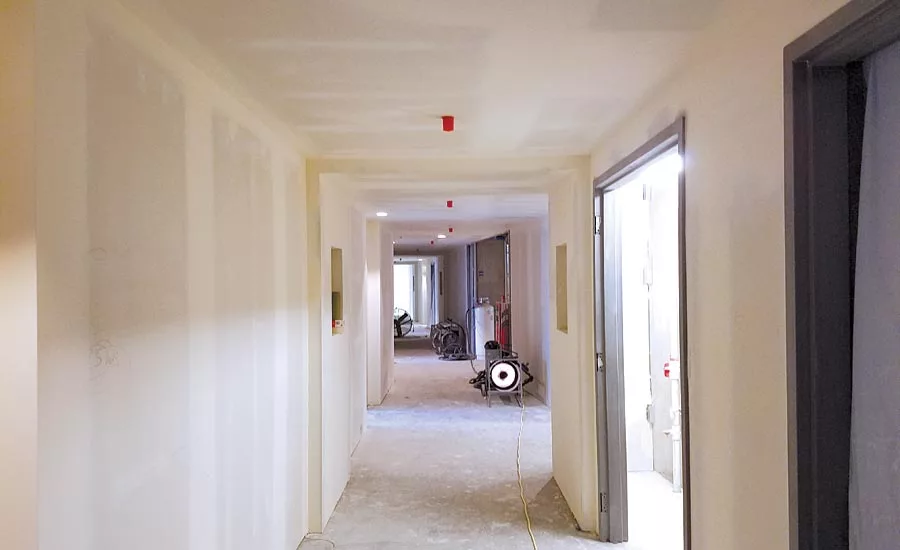
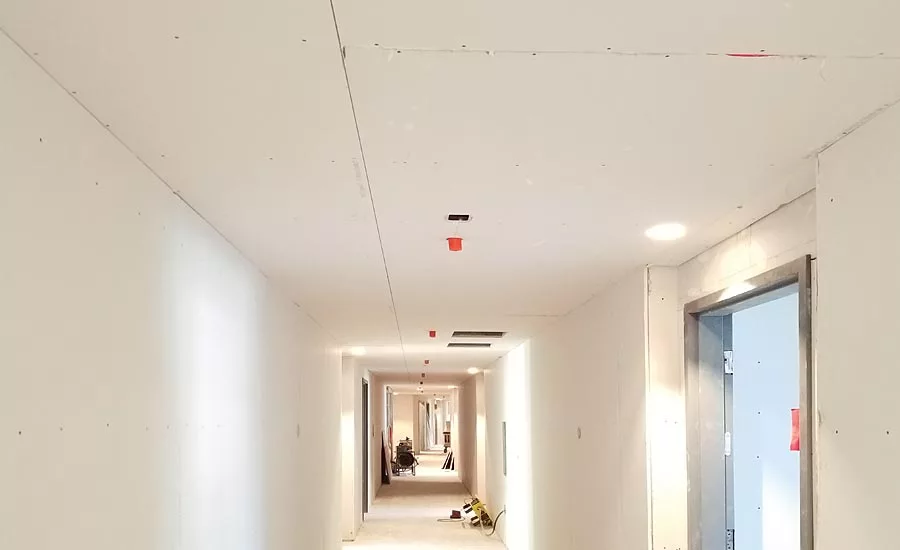
When cracks appear in a finished project, what is the correct call to action contractors should make?
control joints
When cracks appear in a finished project, what is the correct call to action contractors should make?
control joints
When cracks appear in a finished project, what is the correct call to action contractors should make?
control joints
control joints
control joints
May 1, 2017

Why is it that the subject of control joints only comes up after the finishes are completed and some cracks appear? Do you have a responsibility to install control joints if they are not clearly indicated in the project documents?

Ninety-nine times out of a hundred, the specifications will reference either ASTM C840 or GA-216 for the application and finishing of gypsum wallboard. And ninety-nine times out of a hundred, when a crack appears, the owner’s representative will bring it to your attention that control joints are your responsibility and direct that you either, fix the cracks, install the control joints per the standards and/or give a credit back for not installing them in the first place.

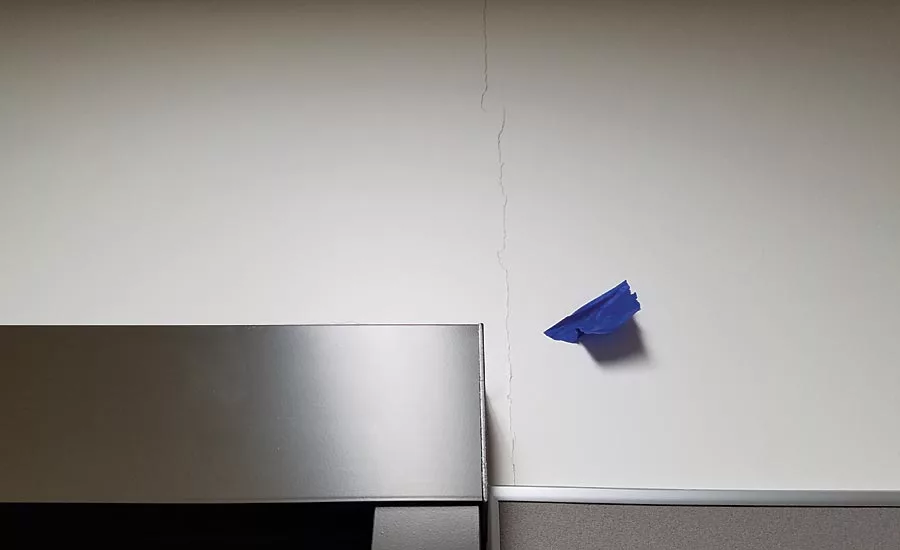
Drywall Cracking

We’ve all been there but what’s surprising is how many of us continue to go down the same path and expect different results. I have yet to do an inspection, that involves cracks, where there is written documentation stating that no control joints are to be installed. I will always hear, “oh yeah, I think it came up in a sub meeting and they said they didn’t want them.” But is there documentation to back it up? No.

Why subject yourself to this grief when it’s really simple to take care of it before any actual work begins. If the drawings happen to actually indicate control joints on the elevations, it’s a no brainer but typically they don’t.

Let’s be clear. It is the design professionals’ responsibility to specify the type of product to be used and to establish the specific locations for control joints based upon the guidelines and/or recommendations provided by ASTM C840 and/or GA-216, which will serve to compliment the design intent or architectural features.

GA-216

  • 4.7.2 Control joints shall be installed where indicated on the plans.
  • 4.7.3 Control joints in the gypsum panel products shall be specified by the architect or designer where any of the conditions described in Sections 4.7.3.1 through 4.7.3.7 exist.
  • 4.7.3.7 Control joints shall be installed where specified by the architect or designer as a design accent or architectural feature.

So does this remove you from all responsibility? Let’s see, you’re the “professional.” What do you think? If you point out, after the fact, that it’s not your responsibility, your status as a “professional that should have known” will be elevated to the point where you will do the repairs, for free, and you’ll be looked upon as getting caught trying to “cut a fat hog.”

In many cases the design professional chooses to abstain from the use of drywall control joints because they affect the finish appearance of the building. The contractor must rely on the project documents to determine whether control joints will be utilized and, if utilized, where the control joints are to be installed. In determining the use or extent of control joints, the contractor will examine the specifications for quality or the performance requirements of a product and the construction drawings to determine quantities. Provided the necessary information is explicit in both the specifications and drawings, the contractor is responsible to install the control joints as indicated.

If the control joints are referenced in the specifications but are not indicated on the construction drawings, the anticipated quantity for the contractor is zero. Failure to indicate the control joint locations infers that the intent of the design is to abstain from their installation, in which case, all work associated with the installation of control joints is to be considered an increase to the scope and as such, compensable.

So, if you are in a typical situation where the specifications reference ASTM C840 and GA-216 and may even mention “Control joints per GA-216” in the Execution portion, but they are not indicated on the drawings, you cannot realistically establish a definitive quantity. You know that sooner or later, it’s going to come up. So what should you do?

Start with clarifying your bid proposal. The purpose of the bid proposal is to provide a cost to perform the work and if necessary to clarify your scope of work and eliminate as much confusion as possible. “Control joints are provided only as clearly indicated on the drawings.” Pretty simple eh?

Now that you have clarified your proposal, have you fulfilled your responsibilities and are you required to bring up control joints ever again? The question really should be; do you really think the subject won’t come up again? Of course it will.

We are not only the “professionals” we are also pro-active and prudent contractors. One of the very first RFI’s you write should be to confirm that it is the architect’s intent not to utilize control joints as recommended in GA-216 and ASTM C840. “GA-216 and ASTM C-840 are both referenced in Specification 09250 and Section 2.6 Trim, identifies the product Zinc Control Joint No. 093. The architectural drawings do not indicate the use of control joints. Please confirm.”

At this point, one of two things is going to happen. You will have written documentation that control joints are not to be utilized, done deal, or you will be asked to provide control joints. Remember, your proposal was perfectly clear on the quantity of control joints that were included in your cost proposal, zero. This is not a “gotcha” moment; this is a contractor acting in a professional and responsible manner. Sit down with the architect and determine where she/he would like the control joints to be located, have those locations identified in the RFI response and (now that you can actually determine the quantity) price the change/increase to the scope of work.

What a difference a few little steps can make. Think about it. Having “managed” the control joint issue, now how do you feel when that call comes in?

KEYWORDS: drywall finishing gypsum joints

Share This Story

Looking for a reprint of this article?
From high-res PDFs to custom plaques, order your copy today!

Wc0623 feat nwcb p7 author terry kastner 2022 cropped
Terry Kastner is the technical consultant at the Northwest Wall and Ceiling Bureau. He can be reached at (206) 524-4243.

Recommended Content

JOIN TODAY
To unlock your recommendations.

Already have an account? Sign In

  • Abercrombie & Fitch

    EIFS in 2026: How Specialty Finishes Are Redefining Exterior Wall Systems

    As building codes, owner expectations, and design demands...
    Stucco/EIFS
    By: Regi Mendoza
  • proper air and vapor control

    From Energy Efficiency to Moisture Management: Why Air and Vapor Control Matter

    How proper air and vapor control within building...
    Building Envelope
    By: Benjamin Meyer AIA, LEED AP
  • Linear Metal Ceiling Beam Baffles

    Top 25 Ceiling Contractors of 2026

    Suspended ceilings demand precision, code compliance and...
    Ceilings
    By: John Wyatt and Tanja Kern
You must login or register in order to post a comment.

Report Abusive Comment

Manage My Account
  • eMagazine Subscription
  • Newsletters
  • Online Registration
  • Manage My Preferences
  • Subscription Customer Service

More Videos

Sponsored Content

Sponsored Content is a special paid section where industry companies provide high quality, objective, non-commercial content around topics of interest to the Walls & Ceilings audience. All Sponsored Content is supplied by the advertising company and any opinions expressed in this article are those of the author and not necessarily reflect the views of Walls & Ceilings or its parent company, BNP Media. Interested in participating in our Sponsored Content section? Contact your local rep!

close
  • medical professionals moving a patient on a stretcher through the halls of a medical building
    Sponsored byNational Gypsum Company

    What Does High Performance Mean When It Comes To Gypsum Boards?

Popular Stories

drywall contractor sanding ceiling

D.C. Drywall Contractors to Pay $302K in Worker Case

Wichita Biomedical Campus

Wichita Drywall Worker Dies After Scaffolding Fall

Okan Tower in Miami, Florida

OSHA Opens Investigation Into Fatal Okan Tower Column Collapse

Construction workers in safety vests install drywall

Gypsum Sales Hold Amid Market Shifts in the U.S.

Events

January 1, 2030

Webinar Sponsorship Information

For webinar sponsorship information, visit www.bnpevents.com/webinars or email webinars@bnpmedia.com.

See our full library of webinars

View All Submit An Event

Products

2026 National Painting Cost Estimator

2026 National Painting Cost Estimator

See More Products

Related Articles

  • Straight Green- The Deal with Steel

    See More
  • What You Need to Know About Drywall Control Joints

    See More
  • Cutting Lath & Vertical Control Joints

    See More

Related Products

See More Products
  • business.png

    How to Succeed With Your Own Construction Business

  • building codes illustated.jpg

    Building Codes Illustrated: A Guide to Understanding the 2021 International Building Code, 7th Edition

See More Products

Events

View AllSubmit An Event
  • June 24, 2026

    The Bright Side & Benefits of Designing with Integrated Lighting

    Credits 1 AIA LU/HSW; 0.1 ICC CEU On-Demand This course will explore the pivotal role architects and lighting design play in creating safer, more sustainable spaces. Learn how to avoid common lighting mistakes and make informed decisions that create the best visual environment for occupants. 
View AllSubmit An Event
×

Connect with the industry’s leading resource for unparalleled insights and education.

Join thousands of industry professionals today. Shouldn’t you know what they know?

JOIN NOW
  • RESOURCES
    • Advertise
    • Contact Us
    • Directories
    • Store
    • Want More
  • SIGN UP TODAY
    • Create Account
    • eMagazine
    • Newsletters
    • Customer Service
    • Manage Preferences
  • SERVICES
    • Marketing Services
    • Reprints
    • Market Research
    • List Rental
    • Survey/Respondent Access
  • STAY CONNECTED
    • LinkedIn
    • Facebook
    • Instagram
    • YouTube
    • X
  • PRIVACY
    • PRIVACY POLICY
    • TERMS & CONDITIONS
    • DO NOT SELL MY PERSONAL INFORMATION
    • PRIVACY REQUEST
    • ACCESSIBILITY

Copyright ©2026. All Rights Reserved BNP Media, Inc. and BNP Media II, LLC.

Design, CMS, Hosting & Web Development :: ePublishing