Walls & Ceilings logo
search
cart
facebook twitter linkedin youtube youtube Spotify Podcasts Apple Podcasts Spotify Podcasts Apple Podcasts
  • Sign In
  • Create Account
  • Sign Out
  • My Account
Walls & Ceilings logo
  • NEWS
  • TOPICS
    • Drywall
    • Stucco/EIFS
    • Ceilings
    • Steel Framing
    • Fireproofing
    • Interior Plaster
    • Building Envelope
    • Insulation
    • Technology
    • Interior
    • Exterior
    • Women In Construction
  • COLUMNS
    • Up Front
    • All Things Gypsum
    • Art & Craft of Plastering
    • Stucco Stop
    • Steel Deal
    • Industry Voices
  • PRODUCTS
    • Buzz Guide
  • EVENTS
    • Industry Events
    • Webinars
    • BUILD Expo
  • MEDIA
    • Videos
    • Podcasts
    • Photo Galleries
    • BUILD26 Videos
    • Take our Quiz!
    • Infographics
  • EXCLUSIVE
    • Newsletters
    • Top 50 Contractors
    • Contractor of the Year
    • State of the Industry
    • W&C Store
    • Market Research
    • CEUs
    • Sponsor Insights
    • Custom Content & Marketing Services
  • DIRECTORY
  • EMAGAZINE
    • eMagazine
    • Advertise
    • Archive Issues
  • SIGN UP!
Building EnvelopeExteriorInsulation

Three Rules for Rainscreens
By JR Babineau
rainscreen

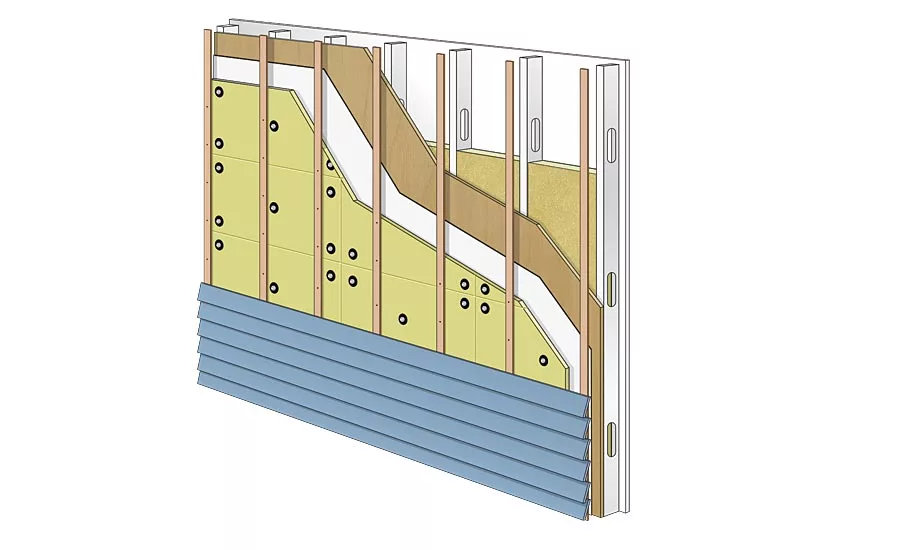
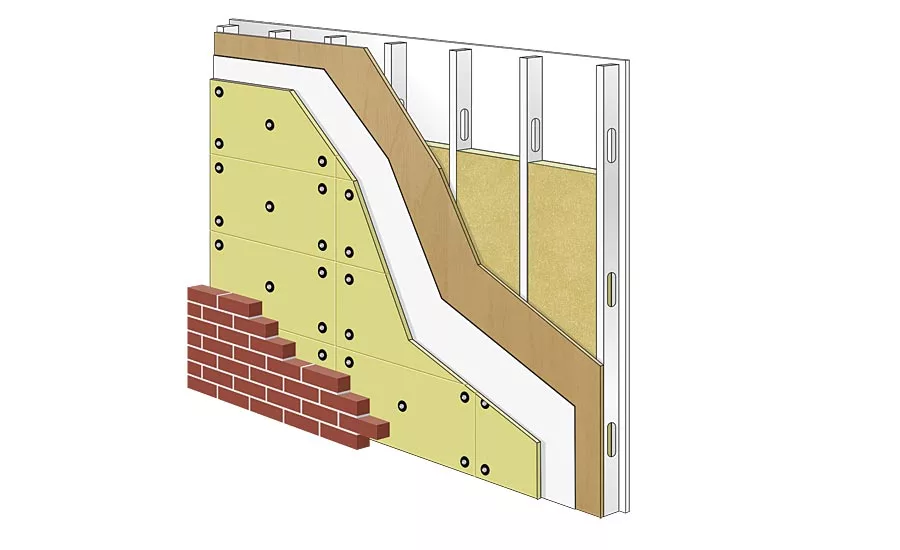
A rainscreen system is defined as the separation of an exterior cladding from the structural wall in an effort to manage moisture and energy transfer through the wall assembly. Source: Johns Manville
rainscreen
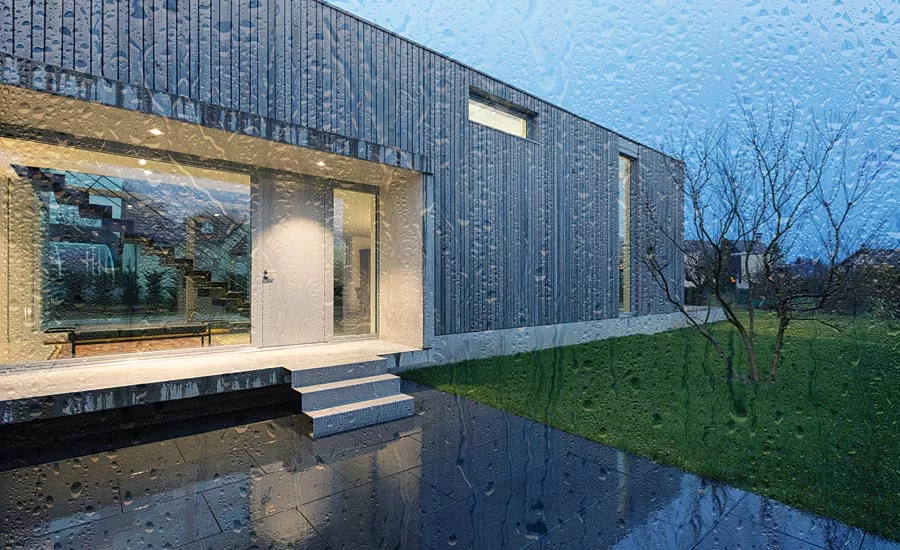
Rainscreen systems can be incorporated with nearly anything as the cladding, including brick, stone, metal, wood, or plastic composites. Source: Johns Manville
rainscreen
Rainscreen systems can be incorporated with nearly anything as the cladding, including brick, stone, metal, wood, or plastic composites. Source: Johns Manville
rainscreen
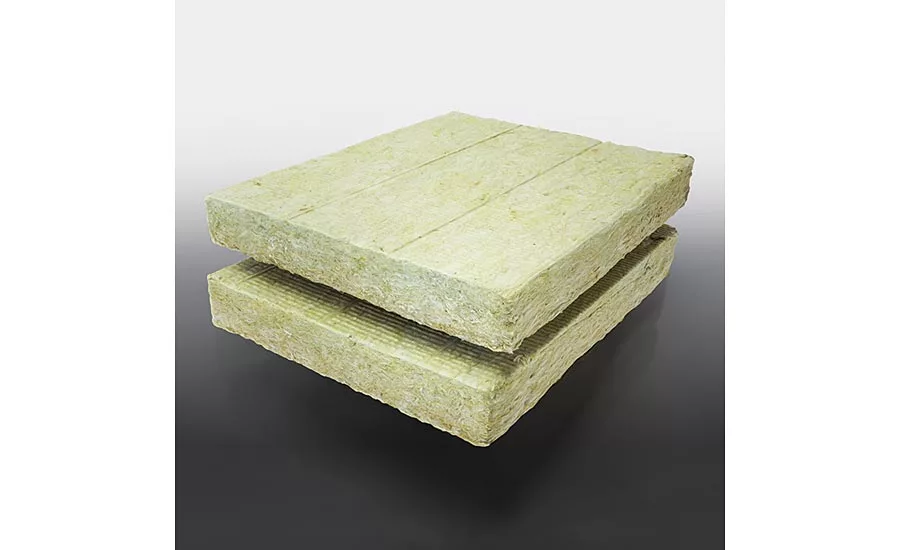
Mineral wool boards, foam sheathing, and closed-cell spray foam can all work as CI in a rainscreen system. Source: John Manville
rainscreen
rainscreen
rainscreen
rainscreen
September 1, 2017

Protecting a building’s exterior from outdoor elements, like rain, snow, wind and extreme temperatures, is top priority for contractors. Learning how to optimize structures in all parts of the country to withstand these elements is not only important in keeping the building’s exterior intact, but also to keep energy efficiency at an ideal level.

One proven way to protect a structure against unpredictable outdoor elements is through the installation of a rainscreen system. A rainscreen system is defined as the separation of an exterior cladding from the structural wall in an effort to manage moisture and energy transfer through the wall assembly.

Wall surfaces do not have to be waterproof to resist rain or snow, but they do need to be able to prevent water from being absorbed or forced into the interior parts of the wall assembly, which impacts both building durability and energy efficiency. Effective rainscreen systems redistribute moisture held in the cladding to adjacent materials where it either evaporates or drains down and out the bottom of the wall. Water will attempt to enter the structure at any available point, from the roof down to the foundation. Therefore, incorporating a well-designed, high-performing wall system is critical.

In addition to protecting a building’s exterior, rainscreen systems can also aid in regulating indoor comfort. With the building envelope as the first line of defense, understanding how to incorporate a rainscreen system into a building envelope’s overall energy performance is crucial in helping to regulate indoor temperatures year-round.

When considering or working with a rainscreen system, it’s important to know three things. Understanding how rainscreen systems work with a variety of different cladding systems, how to incorporate a gap and how these systems can aid in energy efficiency are all key factors in implementing a rainscreen system that protects from outdoor elements and optimizes the building envelope.

1. Rainscreen systems can work with almost any cladding; enhancing aesthetics

With rainscreen facades, the cladding becomes the most visual part of the building, because the purpose of the cladding is not to keep out all of the water, just some. This can allow for more flexibility in design, creating more options for an aesthetically appealing exterior. Rainscreen systems can be incorporated with nearly anything as the cladding, including brick, stone, metal, wood or plastic composites. Because the final waterproofing layer is separate from the cladding, rainscreen systems simplify the transition from one cladding to another.

However, this doesn’t mean that one can ignore differences between materials. Consideration of the type of exterior building product is important in understanding how outdoor elements and building factors will impact the rainscreen system’s performance. For example, materials like brick and concrete are porous, allowing them to absorb and store water. While moisture-sensitive materials, such as wood, should be treated on all sides to prevent degradation.

2. Managing the gap is critical

A rainscreen system should always incorporate a gap between the outer cladding layer and the rest of the wall. This gap allows for any water that gets past the cladding to have a space to drain down the wall and directed out by flashings. Water could possibly run down the back of the cladding or the face of the water-resistant barrier of the rainscreen system.

For optimal drainage, the gap should be large enough, with open weeps or gaps at the bottom of the wall. Most projects can accommodate a gap that is one-eighth of an inch or larger. However, an even better gap is one that is 1 inch or more, with openings at both the top and bottom. A space of this size creates a vented cavity that not only allows water to drain, but also allows air movement to speed the drying of the cladding and the wall. Of course, neither water drainage nor air-drying is possible if the gap is clogged with mortar droppings or other debris.

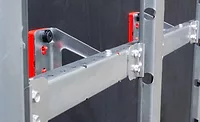
Depending on the type of construction and cladding, rainscreen gaps can be created with the cladding support system, masonry ties, corrugated mats or textured building wraps. Screens are important to keep bugs or other pests out of drainage or vent holes. Maintaining the gap and keeping it clear is a key factor in ensuring the success of a rainscreen system.

3. Continuous insulation can help optimize the system’s energy efficiency

Behind the cladding and the gap is “the rest of the wall.” In addition to the main structural elements and cladding supports, this part of a rainscreen system needs to include the primary WRB layer, and might include an air barrier and exterior continuous insulation.

Including CI in a rainscreen system is an excellent way to support the energy efficiency goals of the project. Mineral wool boards, foam sheathing and closed-cell spray foam can all work as CI in a rainscreen system. For example, mineral wool boards are typically installed over the primary WRB layer and add an additional drainage surface behind the cladding, as well as a non-combustible insulation layer. Foam sheathing and closed-cell spray foam can be used as both the WRB and CI layers. Foam sheathing must have all seams taped and penetrations sealed and window and door flashings should attach to the face of the foam boards. With mineral wool and closed-cell spray foam, flashings typically go behind the insulation.

Thermal bridging in buildings can reduce energy efficiency, cause thermal comfort problems and can even lead to condensation issues. Therefore, reducing the risk of thermal bridging not only cuts down on energy costs, but also can reduce condensation that could cause mold, rot and rust and harm indoor air quality. Incorporating CI into rainscreen systems is a cost-effective and long-term solution for eliminating thermal bridges and maximizing energy efficiency and performance.

When a well-designed rainscreen system is properly installed with other insulation products, it provides added protection to the structure and can work as an additional barrier to control interior comfort and potentially reduce utilities costs.

Ultimately, rainscreen systems can be a very effective solution when incorporated correctly with different types of cladding systems, with the proper gap installed, and with continuous insulation that optimizes energy efficiency.

KEYWORDS: CI (continuous insulation) cladding rainscreen

Share This Story

Looking for a reprint of this article?
From high-res PDFs to custom plaques, order your copy today!

Wc0619 ft insulation p4 author jr babineau
JR Babineau is a research manager and the principal building scientist for Johns Manville. For more than 20 years, he has been involved in research and development of building products, as well as providing education and consulting on building systems, with an emphasis on heat, air, moisture, noise, and energy efficiency.

Recommended Content

JOIN TODAY
To unlock your recommendations.

Already have an account? Sign In

  • Abercrombie & Fitch

    EIFS in 2026: How Specialty Finishes Are Redefining Exterior Wall Systems

    As building codes, owner expectations, and design demands...
    Stucco/EIFS
    By: Regi Mendoza
  • proper air and vapor control

    From Energy Efficiency to Moisture Management: Why Air and Vapor Control Matter

    How proper air and vapor control within building...
    Building Envelope
    By: Benjamin Meyer AIA, LEED AP
  • Linear Metal Ceiling Beam Baffles

    Top 25 Ceiling Contractors of 2026

    Suspended ceilings demand precision, code compliance and...
    Ceilings
    By: John Wyatt and Tanja Kern
You must login or register in order to post a comment.

Report Abusive Comment

Manage My Account
  • eMagazine Subscription
  • Newsletters
  • Online Registration
  • Manage My Preferences
  • Subscription Customer Service

More Videos

Sponsored Content

Sponsored Content is a special paid section where industry companies provide high quality, objective, non-commercial content around topics of interest to the Walls & Ceilings audience. All Sponsored Content is supplied by the advertising company and any opinions expressed in this article are those of the author and not necessarily reflect the views of Walls & Ceilings or its parent company, BNP Media. Interested in participating in our Sponsored Content section? Contact your local rep!

close
  • medical professionals moving a patient on a stretcher through the halls of a medical building
    Sponsored byNational Gypsum Company

    What Does High Performance Mean When It Comes To Gypsum Boards?

Popular Stories

Linear Metal Ceiling Beam Baffles

Top 25 Ceiling Contractors of 2026

Wichita Biomedical Campus

Wichita Drywall Worker Dies After Scaffolding Fall

Okan Tower in Miami, Florida

OSHA Opens Investigation Into Fatal Okan Tower Column Collapse

Construction workers in safety vests install drywall

Gypsum Sales Hold Amid Market Shifts in the U.S.

Events

June 24, 2026

The Bright Side & Benefits of Designing with Integrated Lighting

Credits 1 AIA LU/HSW; 0.1 ICC CEU

This course will explore the pivotal role architects and lighting design play in creating safer, more sustainable spaces. Learn how to avoid common lighting mistakes and make informed decisions that create the best visual environment for occupants. 

January 1, 2030

Webinar Sponsorship Information

For webinar sponsorship information, visit www.bnpevents.com/webinars or email webinars@bnpmedia.com.

See our full library of webinars

View All Submit An Event

Products

2026 National Painting Cost Estimator

2026 National Painting Cost Estimator

See More Products

Related Articles

  • MOVEKLIP on a rainscreen system

    Knight Wall Systems Introduces Proprietary Deflection Clip for Rainscreens

    See More
  • Rain Damage

    Code Changes for WRBs/Rainscreens for Plaster

    See More
  • Product Category Rules for Gypsum Board

    See More

Related Products

See More Products
  • bim 3e.jpg

    BIM Handbook: A Guide to Building Information Modeling for Owners, Designers, Engineers, Contractors, and Facility Managers, 3rd Edition

  • 1118458605.jpg

    Sustainable Facades: Design Methods for High-Performance Building Envelopes

  • 978-0-7643-3022-3.jpg

    Award-winning Green Roof Designs: Green Roofs for Healthy Cities

See More Products

Related Directories

  • International Institute for Lath & Plaster

  • RAiNA (Rainscreen Association in North America)

    Rainscreen Association in North America (RAiNA) is the leading authority on proper rainscreen design and construction. RAiNA is a diverse community of industry professionals who volunteer their time towards optimizing rainscreen performance expectations among a variety of stakeholders. They achieve this by influencing codes and standards, while increasing the safety and resilience for rainscreen assemblies and components
×

Connect with the industry’s leading resource for unparalleled insights and education.

Join thousands of industry professionals today. Shouldn’t you know what they know?

JOIN NOW
  • RESOURCES
    • Advertise
    • Contact Us
    • Directories
    • Store
    • Want More
  • SIGN UP TODAY
    • Create Account
    • eMagazine
    • Newsletters
    • Customer Service
    • Manage Preferences
  • SERVICES
    • Marketing Services
    • Reprints
    • Market Research
    • List Rental
    • Survey/Respondent Access
  • STAY CONNECTED
    • LinkedIn
    • Facebook
    • Instagram
    • YouTube
    • X
  • PRIVACY
    • PRIVACY POLICY
    • TERMS & CONDITIONS
    • DO NOT SELL MY PERSONAL INFORMATION
    • PRIVACY REQUEST
    • ACCESSIBILITY

Copyright ©2026. All Rights Reserved BNP Media, Inc. and BNP Media II, LLC.

Design, CMS, Hosting & Web Development :: ePublishing