Coordinating Collaboration: Benefits of collaborating with a single-source building enclosure contractor
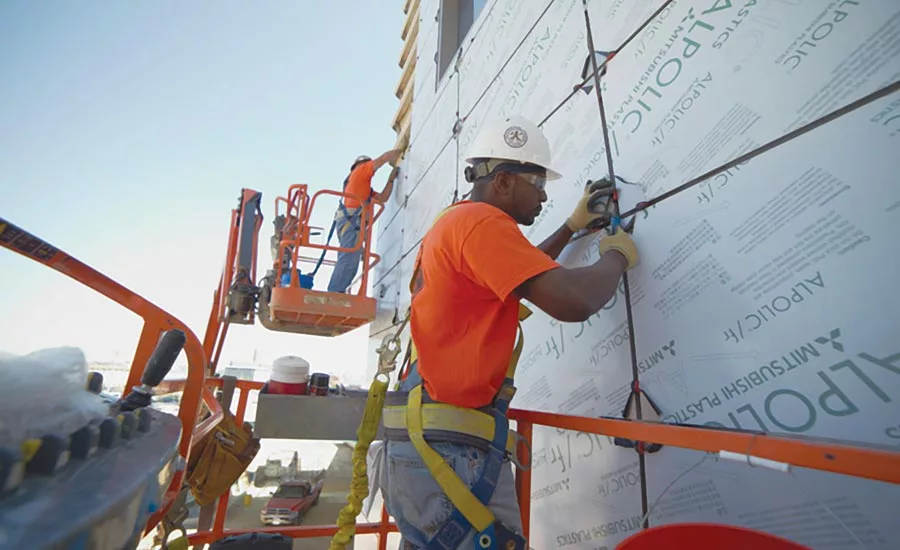
There is a trend arising in the new construction industry involving building enclosure contractors being introduced to architects, designers and consultants during the design-assist phase in a project.

There is a trend arising in the new construction industry involving building enclosure contractors being introduced to architects, designers and consultants during the design-assist phase in a project.

There is a trend arising in the new construction industry involving building enclosure contractors being introduced to architects, designers and consultants during the design-assist phase in a project.
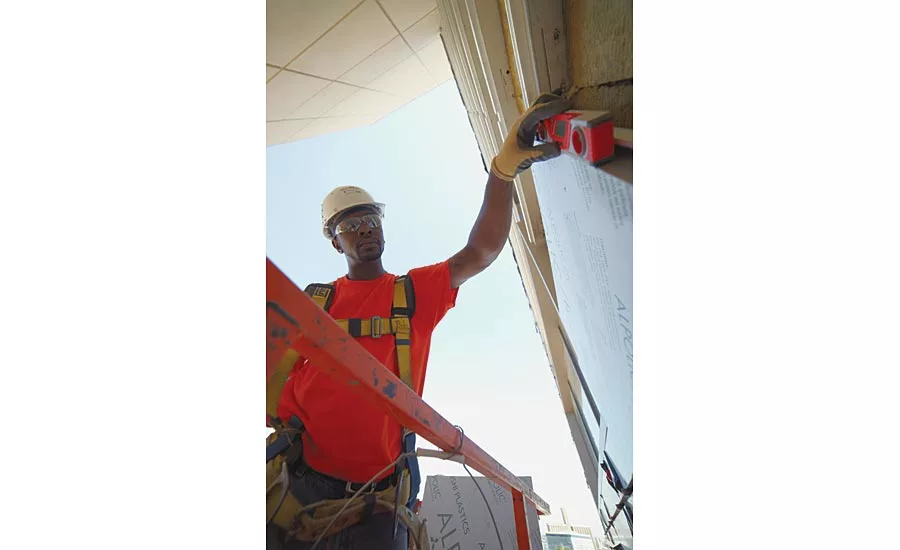
There is a trend arising in the new construction industry involving building enclosure contractors being introduced to architects, designers and consultants during the design-assist phase in a project.
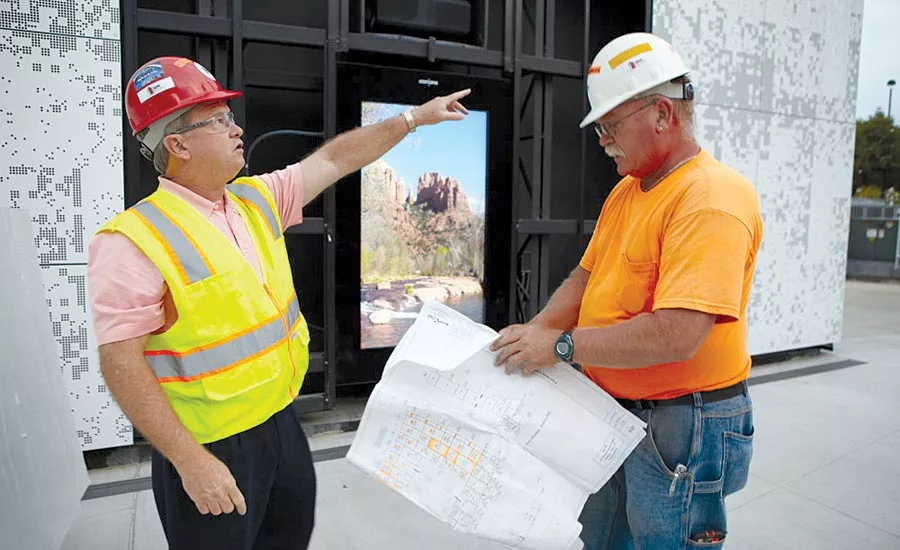
There is a trend arising in the new construction industry involving building enclosure contractors being introduced to architects, designers and consultants during the design-assist phase in a project.
There is a trend arising in the new construction industry involving building enclosure contractors being introduced to architects, designers and consultants during the design-assist phase in a project. This concerted teamwork approach streamlines the design process and allows primary parties to be involved from start to finish. It also enables each participant to ask questions and make recommendations along the way. Coordination of the design details is essential to achieving a building façade that is highly efficient and performs as expected.
Alternatively, in the traditional bid-build delivery method, it is often too late or too costly for the building owner to address an issue or concern with the design. The management and coordination of the design and installation of a building envelope system is the core factor that can prevent or cause performance issues.
When a general contractor is assembling a team of subcontractors to furnish and install individual systems that will make up the building envelope, issues can arise with the functionality and performance of the building envelope during various stages of the process, from preconstruction design through execution of the warranty. Therefore, it is beneficial to utilize a single-source building enclosure contractor early on in the design-assist phase versus using the traditional bid-build approach, which draws setbacks in scheduling due to transitions between contracted parties.
Take Responsibility
In a design-assist approach, one of the most important elements is determining who is accountable for each of the responsibilities in the design process. Contractually this is important as everyone on the team plays a key role and this can lead to confusion for where the professional obligations fall. Consequently, it is imperative that the roles and responsibilities of each party be clearly identified at the beginning of the design phase to reduce waste and establish accountability. Without the clear identification of the roles and responsibilities, ambiguity can create issues of ownership in terms of liability.
When multiple subcontractors are hired to enclose a building and perform the work in segments during the design phase, there is a tendency to concentrate only on factors specific to their own detailing. This leads to an incomplete analysis of the adjacent systems and their resulting compatibility with the next subcontractor.
Managing Schedules
In addition to the ownership of design responsibility, it is crucial to have a clear signal of when the design phase ends and the construction phase begins. If there isn’t clear identification, the project schedule is in jeopardy often causing a delay in completion. Although there are factors that can influence a project schedule, such as weather, one of the main issues that frequently causes delay is that multiple companies are involved in the construction process. Each company requires direction and management, increasing the possibility of a modified project schedule.
To increase the chances of staying on track, it is important to drive each design phase conversation in the direction of cost, performance and schedule, leaving each meeting with clear direction. Alternatively, hiring one building enclosure contractor in lieu of multiple subcontractors can help eliminate the time necessary to coordinate the vast amount of details required and keep a project schedule on time.
Coordinating Trades
Another benefit of working in unison with a single-source building enclosure contractor is eliminating the coordination of multiple trades. Trade coordination is required when multiple subcontractors have been hired to furnish and install the complete building envelope. In the traditional bid-build delivery method, the process of trade coordination is important because it allows questions presented by the ownership and design team to be addressed, ensures that the full scope of work is captured and the overall design is understood.
Trade coordination meetings are challenging because they require all parties to come together for review. It can be difficult to organize a time and place in which everyone is available. This challenge is emphasized when a project schedule is disrupted and meetings must be rescheduled or cancelled.
In addition to timing issues, responsibility for gaps in the project’s scope of work is often met with resistance because each subcontractor is working to mitigate risk for the benefit of their own company. These issues could be eliminated by working with a building enclosure partner versus several subcontractors. The building enclosure partner owns the practices and the procedures, giving the owner and general contractor or construction manager a single point of contact.
Streamlining Transitions
Typically, the area that tends to have the most common failures is at transitions, where one system stops and another system starts. This is where the issue of “who owns what” tends to be a gray area and reveals a gap in the coverage of responsibility.
Transitions between each system of the building envelope require careful management to avoid potential moisture and air infiltration issues. Subcontractors often detail up to the adjacent system with a generic description of “by others.” This approach becomes problematic when the other subcontractor is following suit and drawing their system up to the same transition point. Because individual systems are typically submitted as separate proposals to the general contractor, the lack of detail at the area of transition will be the weakest link of the design. Due to coordination issues at the transition between systems, the exterior wall is now susceptible to permitting the infiltration of both air and water.
One option to reduce performance conflict at transition areas is to hire a subcontractor that handles the entire building enclosure. This alleviates the workload from the general contractor or construction manager by allowing a building enclosure partner to take on the responsibility of coordinating the transitions within the building envelope. Typically, the general contractor would decide who goes first, who is responsible for the scope of work at each transition and if there are any warranty gaps. With proper detailing and review of the systems and materials with attention at each transition, a building enclosure partner would implement the most effective plan of quality control during the construction process.
Companies that employ a building enclosure partner philosophy widen their capabilities in order to handle the entire building envelope scope. This all-in-one approach eliminates the communication and coordination problems that arise when using multiple subcontractors.
Conclusion
The management and coordination of the design and installation of a building envelope system is the core factor that can prevent or cause performance issues. Communication is the key element in preventing building performance failures or issues. A collaborative approach from start to finish, including the design phase, works better to ensure a high performing façade. Therefore, for a design-assist approach to have the best rate of success and achieve a true partnership on both the elements of design and installation of the building envelope system, a single-source building enclosure contractor should be selected. This type of contractor streamlines workflow and takes responsibility for the scope, performance and warranty of the entire system.
Looking for a reprint of this article?
From high-res PDFs to custom plaques, order your copy today!