Increasing Energy Efficiency with ICFs
Building a sustainable and resilient future with ICFs.
Building a sustainable and resilient future with ICFs.
Building a sustainable and resilient future with ICFs.
Building a sustainable and resilient future with ICFs.
Building a sustainable and resilient future with ICFs.
Building a sustainable and resilient future with ICFs.
Building a sustainable and resilient future with ICFs.
Building a sustainable and resilient future with ICFs.
Building a sustainable and resilient future with ICFs.
Building a sustainable and resilient future with ICFs.
As architects, home designers, builders, and contractors look to meet increasing energy efficiency standards and more stringent resiliency requirements; the race is on to design more and more complicated solutions to maintain relevance for existing products and applications. Many new wall systems designed to increase energy-efficiency do so at a high labor expense, increased materials, and serious creativity. Sometimes a wall section detail crosses my desk and I wonder if creating the technology and materials to travel to and from the moon wasn’t simpler.
"The more they overthink the plumbing, the easier it is to stop up the drain." - Montgomery Scott
Normally, this would be the part of the article where I explain a new product, technology, or brand that will solve every problem. I’m not going to do that, but I would like to have an honest conversation about how we should think about wall construction. The big question at the end of the day is how do we do it? And does it fundamentally change the daily experience of living in a home?
If we were to ask ourselves what walls are really for, Wikipedia has a pretty simple definition:
“The purposes of the walls in buildings are to support roofs, floors and ceilings; to enclose a space as part of the building envelope along with a roof to give buildings form; and to provide shelter and security. In addition, the wall may house various types of utilities such as electrical wiring or plumbing.”
One of the key points I make in any presentation about building is that every construction material and method has a place in construction. It’s about using the right material and application in the right place. When building a home there are four basic elements that will determine the performance of the structure: heat flow, air flow, moisture and air quality.
The Purpose of R-value
Resistance to the flow of heat is by definition R-value. All wall systems are constructed to deliver the required R-value. This is not the same as the best R-value, merely what code, the builder, or homeowner requires. The second element that will dictate efficiency and performance is air flow. This isn’t just the air flow inside a home, which is important, but refers to the flow of air in and out of a home. Air flow in and out of a home (carrying heating or cooling with it) are all affected by pressure. Air is moved in and out of a home through convection (rising of warm air and sinking of cold air), forced air systems that bring air in from outside to condition or refresh the space, and wind. How many of us live or work in buildings where you feel when a cold front has moved through or can smell that it just rained outside? Structures that leak air in an uncontrolled fashion contribute to inefficiency and waste.
The last point about smelling the change in the air right after it’s rained is more than just a peaceful thought. What we are smelling is the moisture in the air. Not controlling the amount of moisture in and out of a structure means surrendering control of your health, increasing the potential of mold growth, and creating more work for the HVAC system. Furthermore, not managing the insulation correctly inside cavity walls could cause a dew point to form (the point at which liquid water falls out of the air) inside the wall. This creates an unseen danger that can make a home toxic to live in. This is a very real concern as homes becomes tighter and tighter using conventional materials. All cavity wall construction insulation has been predicated on using the “breathing” of the wall to keep the insulation materials dry and efficient.
Air Quality
This leads me to the last element, air quality. Ensuring that no mold or mildew can grow in a home and that the structure isn’t so tight that air can become stale takes careful planning and balance. Properly managing heat flow, air flow, moisture, and air quality when building a home ensures that life on the inside is healthy and comfortable. Failing to control any one of these can cause serious issues throughout the life of the structure and endanger its inhabitants.
But how do you protect it from outside threats?
The U.S. National Oceanic and Atmospheric Administration calculated nearly $306 billion dollars in weather related disaster costs in 2017. Threats from wildfire, tornado, earthquake, hurricanes, and severe storms are taking their toll on our aged commercial and residential infrastructure. The bright side, if there is one, is that we have an opportunity to rebuild with these threats in mind.
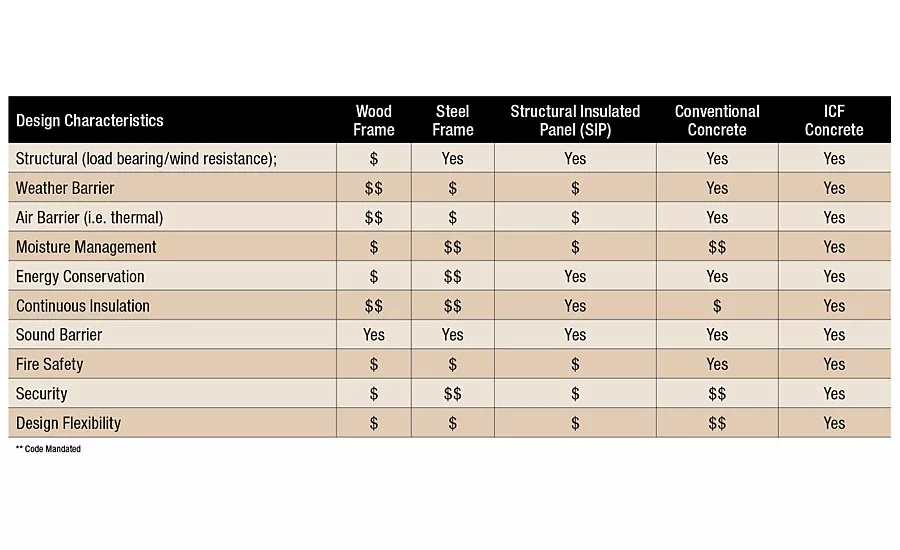
So when choosing to rebuild, what should be the biggest criteria when picking the materials: price, performance, longevity, strength, or simplicity? Let’s take a quick look at the most common wall construction materials and their challenges using these criteria.
An additional wrinkle in energy efficiency requirements is the concept of continuous insulation. The American Society of Heating, Refrigerating and Air-Conditioning Engineers defines continuous insulation as “insulation that is continuous across all structural members without thermal bridges other than fasteners and service openings. It is installed on the interior or exterior or is integral to any opaque surface of the building envelope.”
The United States is divided into eight climate zones. Many colder climates are (zones 4-8) requiring additional continuous insulation be added to the exterior of the walls in addition to cavity insulation to eliminate thermal bridging. Many times this exterior insulation integrates weather or moisture barrier, adding additional soundproofing.
So how should we build to get the best of both worlds?
The first step is to be an educated consumer/builder. This may sound obvious but how often do we assume that a structure is built out of certain materials because “that’s the way it’s always been done”? We’re putting ourselves at a disadvantage if we assume that all houses are made of wood, all warehouses are made of steel, and concrete, etc. As stated before, every construction material and method has a place in construction. The important step is pairing those materials with the right projects and inserting them into the appropriate sections of the build. So, do your research and don’t allow yourself to be satisfied with the status quo. Find a wall system that meets your needs (all of them) and then plan your build around that.
Goals of Wall Systems
Approaching building materials in this way allows you to solve problems before they happen. Some wall systems accomplish several goals with one product, saving on time, labor, and trades. Some building materials exceed code and offer benefits that far outweigh their price tag. Weighing your options and making informed decisions from the beginning can lead to fewer headaches during construction as well as a finished home that exceeds the needs and wants of the home owner.
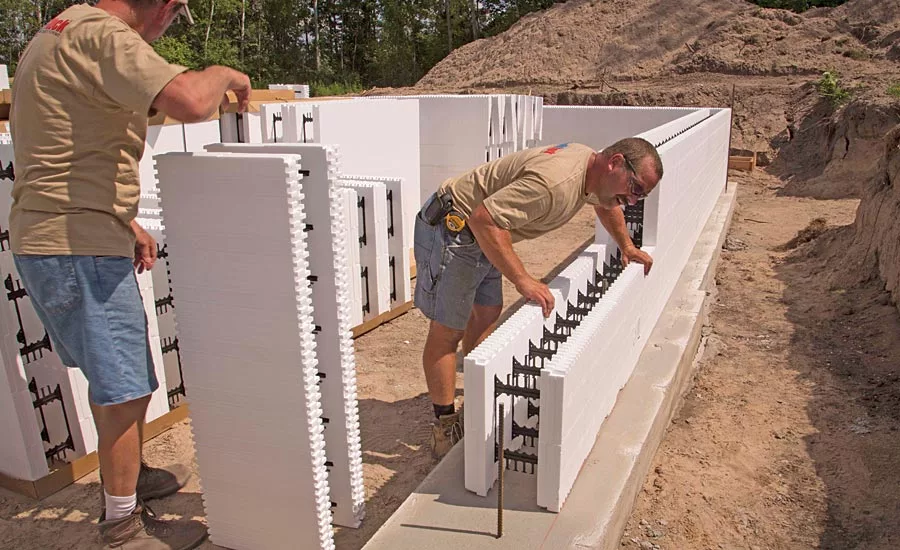
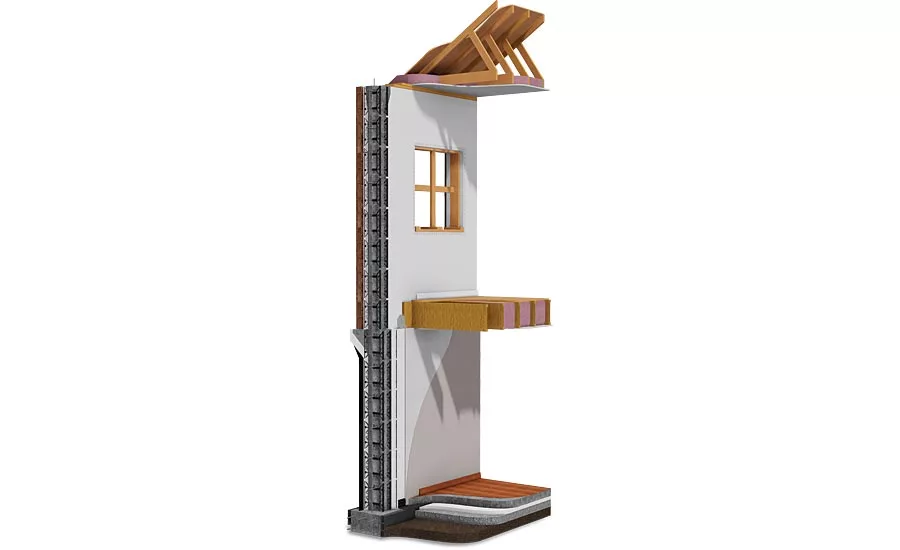
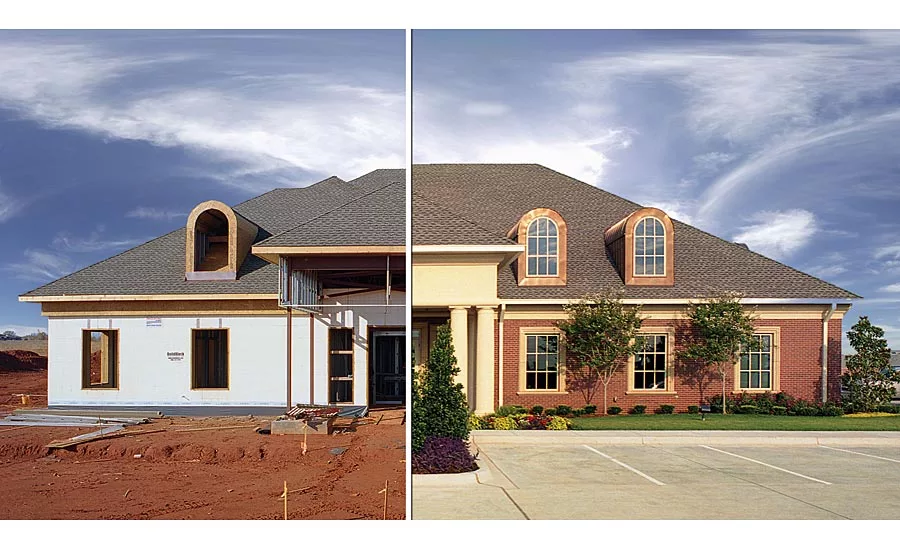
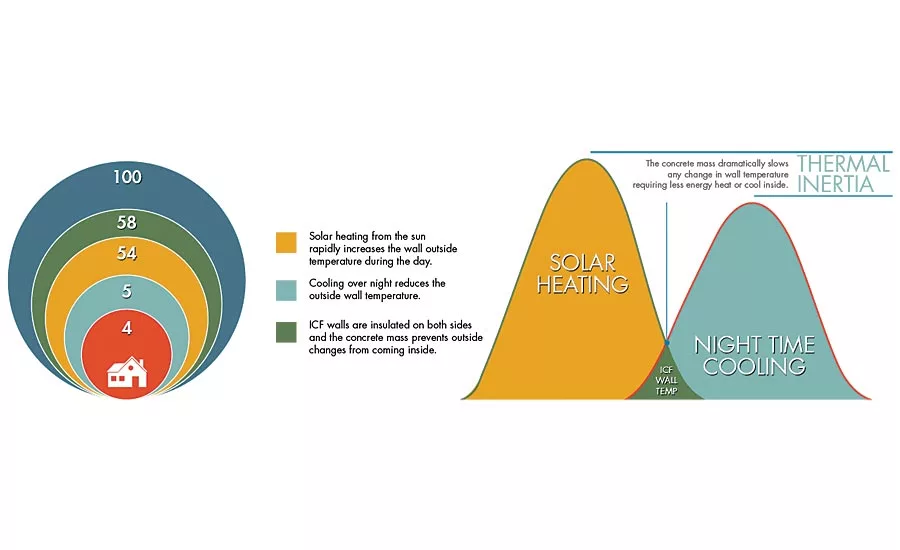
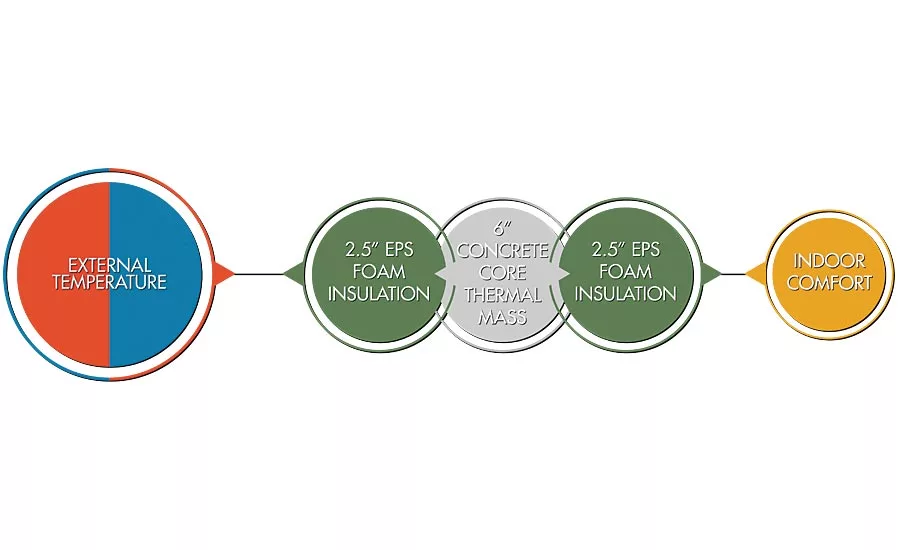
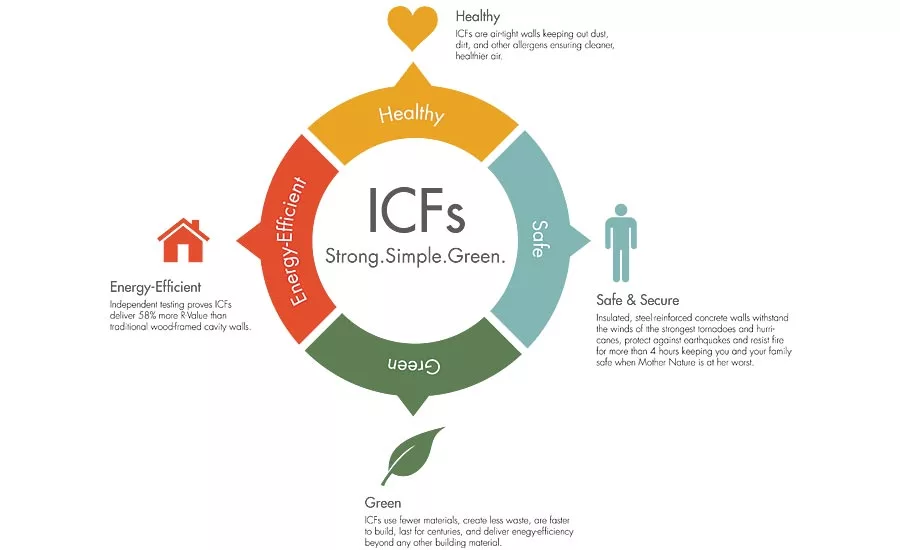
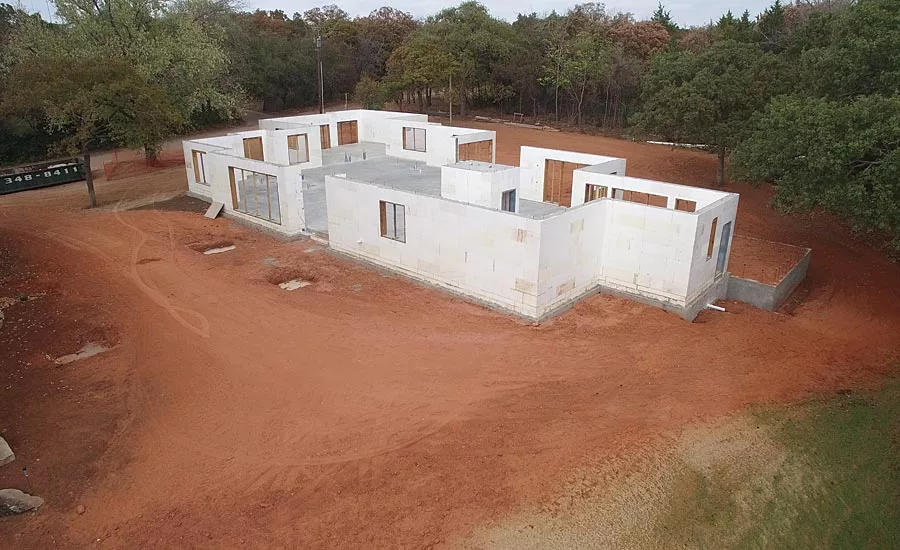
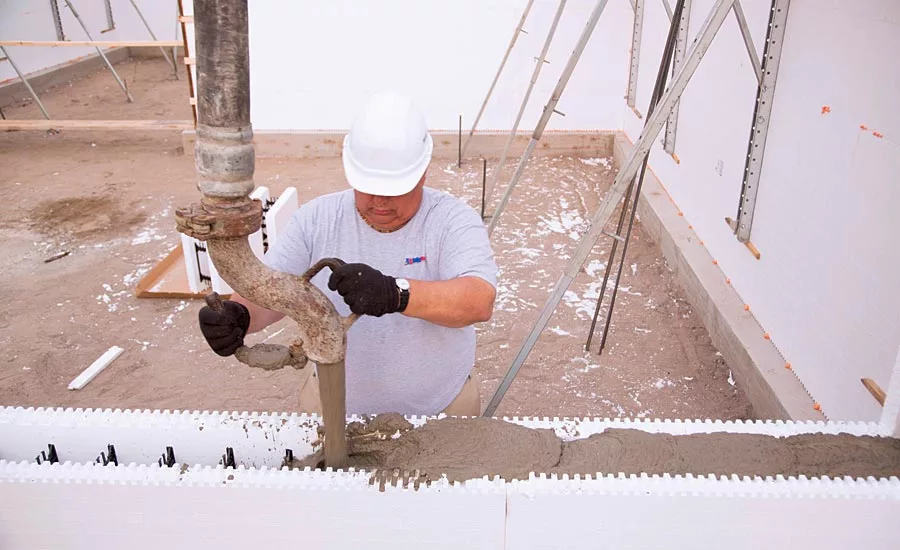
Insulating concrete forms deliver a wall system that will interface with any type of current construction material, delivers superior structural capacity and disaster resilience. ICFs require less labor, fewer materials, and deliver true energy-efficiency performance greater than the sum of their component materials. (icf-ma.org/resources/thermal-study/) The increasing cost of lumber and other materials to build safe, resilient, fire resistant, and sustainable structures has been rising steadily.
ICFs, have been consistently delivering the same benefits since they were conceived more than 30 years ago.
Advances in materials, increased manufacturing and distribution, standardized industry training, adoption into international residential and commercial building codes, familiarity and acceptance by code inspectors and increasing recognition by the insurance industry are driving this building material into mainstream adoption faster and faster. Choosing ICFs used to be a choice about investing more in the future of your home; today it’s choosing the best building material where it’s needed the most.
Looking for a reprint of this article?
From high-res PDFs to custom plaques, order your copy today!