Walls & Ceilings logo
search
cart
facebook twitter linkedin youtube youtube Spotify Podcasts Apple Podcasts Spotify Podcasts Apple Podcasts
  • Sign In
  • Create Account
  • Sign Out
  • My Account
Walls & Ceilings logo
  • NEWS
  • TOPICS
    • Drywall
    • Stucco/EIFS
    • Ceilings
    • Steel Framing
    • Fireproofing
    • Interior Plaster
    • Building Envelope
    • Insulation
    • Technology
    • Interior
    • Exterior
    • Women In Construction
  • COLUMNS
    • Up Front
    • All Things Gypsum
    • Art & Craft of Plastering
    • Stucco Stop
    • Steel Deal
    • Industry Voices
  • PRODUCTS
    • Buzz Guide
  • EVENTS
    • Industry Events
    • Webinars
    • BUILD Expo
  • MEDIA
    • Videos
    • Podcasts
    • Photo Galleries
    • BUILD26 Videos
    • Take our Quiz!
    • Infographics
  • EXCLUSIVE
    • Newsletters
    • Top 50 Contractors
    • Contractor of the Year
    • State of the Industry
    • W&C Store
    • Market Research
    • CEUs
    • Sponsor Insights
    • Custom Content & Marketing Services
  • DIRECTORY
  • EMAGAZINE
    • eMagazine
    • Advertise
    • Archive Issues
  • SIGN UP!
ExteriorInteriorTechnology

Building Value Engineering Into Commercial Renovation Projects

HOW A LITTLE EDUCATED COMPROMISE WHEN IT COMES TO VALUE ENGINEERING CAN SAVE YOU TIME AND MONEY.
By Sam Cicero
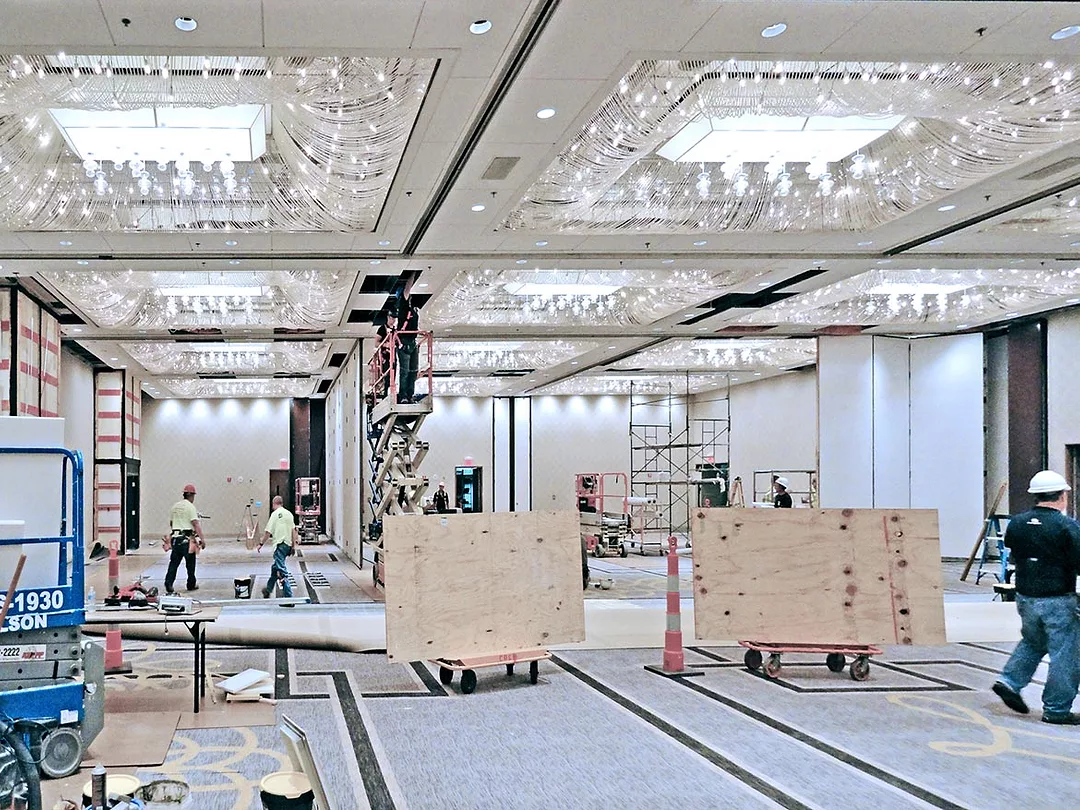
WC0621-FT5-Cicero-p1FT-Cicero_Workers_DT_Ballroom.jpg
Images courtesy of Cicero Construction Group.
WC0621-FT5-Cicero-p5-Filling-in-trench-from-electrical-Lobby-floor.jpg
Images courtesy of Cicero Construction Group.
WC0621-FT5-Cicero-p9-WyndhamPitt6.jpg
Images courtesy of Cicero Construction Group.
WC0621-FT5-Cicero-p8-North-Elevator-Tile.jpg
Images courtesy of Cicero Construction Group.
WC0621-FT5-Cicero-p7-Limestone-tile-install-N-fountain.jpg
Images courtesy of Cicero Construction Group.
WC0621-FT5-Cicero-p2-Atrium-0508.jpg
Images courtesy of Cicero Construction Group.
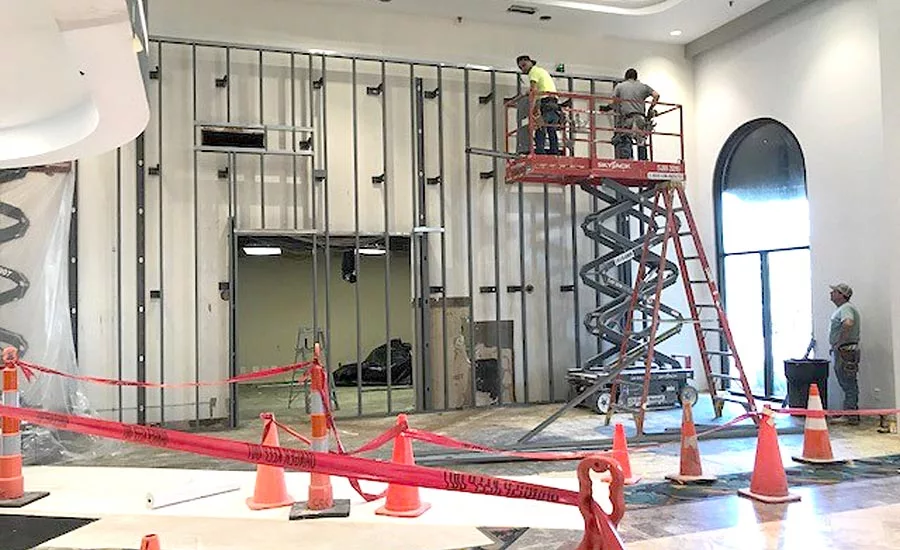
WC0621-FT5-Cicero-p3-East-Lobby-Wall.jpg
Images courtesy of Cicero Construction Group.
WC0621-FT5-Cicero-p6-IMG_1861.jpg
Images courtesy of Cicero Construction Group.
WC0621-FT5-Cicero-p1FT-Cicero_Workers_DT_Ballroom.jpg
WC0621-FT5-Cicero-p5-Filling-in-trench-from-electrical-Lobby-floor.jpg
WC0621-FT5-Cicero-p9-WyndhamPitt6.jpg
WC0621-FT5-Cicero-p8-North-Elevator-Tile.jpg
WC0621-FT5-Cicero-p7-Limestone-tile-install-N-fountain.jpg
WC0621-FT5-Cicero-p2-Atrium-0508.jpg
WC0621-FT5-Cicero-p3-East-Lobby-Wall.jpg
WC0621-FT5-Cicero-p6-IMG_1861.jpg
June 11, 2021

The Society of American Value Engineers International defines value engineering as, “a function-oriented, systematic, team approach to provide value in a product, system, or service.” In renovations, value engineering has always meant one thing: an approach to help clients save money without compromising quality. True value engineering is not simply a matter of cutting costs, but rather giving careful consideration to all options, always with the project's goals in mind. A well-planned and well-executed value-engineering process can improve a project without sacrificing its essential integrity.

Larry Miles, considered by many to be the father of value engineering, introduced this process nearly 70 years ago. When Miles developed the analytical field of value analysis for General Electric after the Second World War, he identified two elements of the value equation: function and cost. He then balanced them against one another. As Miles approached the problem of enhancing value, his objective of value analysis was to identify all elements of function and cost, and to express their mutual interdependency so that an informed decision could be made between the two.

Applying that same thinking to commercial property renovation, the value engineering process becomes a systematic approach that engages a team from multi-disciplines, including the owner, architect/engineer, designer, contractor and sometimes an outside consultant, who review the project in an attempt to expose optimum value both short term and long term. Of course, time is also a commodity that must be taken into consideration.

Brainstorming early on in the process will determine what products, systems and processes are used to help eliminate unnecessary cost. In both new construction and renovation, value engineering is too often introduced during the design phase of a project. Doing so does not offer as much of a benefit as it would during the planning stage due to the potential impact of project redesign. Consider this: upfront construction costs account for a mere 11 percent of the total lifecycle costs of a building. That underscores the fact that early decisions have a critical impact on the long-term cost of ownership. Likewise, when a professional team works together from the beginning of the planning stage of the renovation, the right materials can be specified from the start, thereby avoiding unnecessary change orders and delays in the schedule.


Compromise Cost...Not Quality

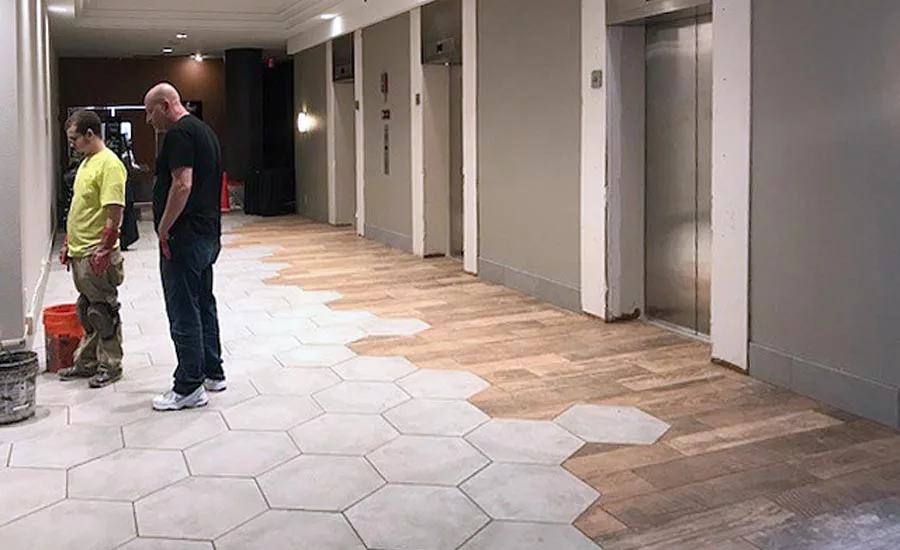
The essence of Value Engineering is compromise. For instance, can 200 pieces of ceramic tile be substituted for marble? That depends on several things, such as what is the owner's expectations? What kind of wear and tear the flooring will be subjected to? How does this tile affect the overall design? While the project programming may show the client wants marble, changing to a ceramic tile that looks like marble and multiplying that savings by 200 may become worth considering by all parties.

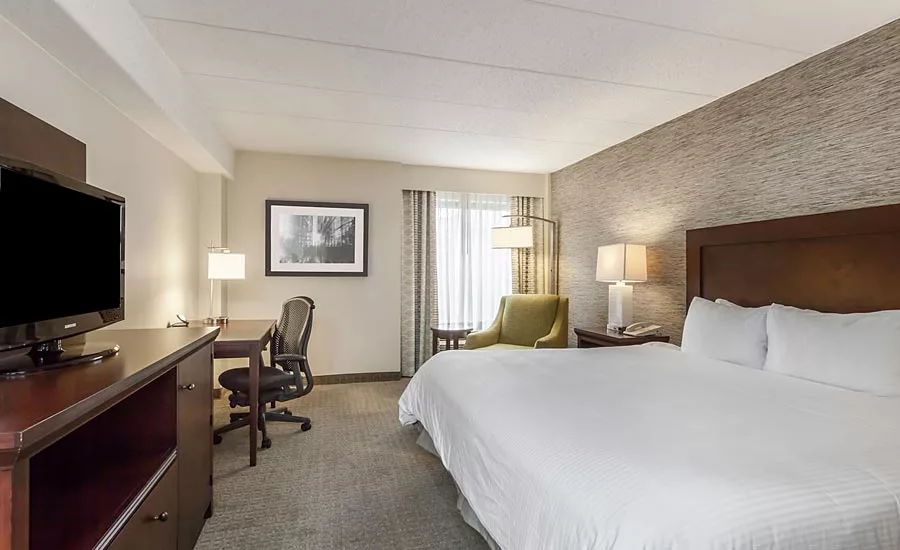
For another example, let’s consider a mid-size hotel under renovation and instead of considering what products are used, let’s analyze where they come from. The owner’s chief concern is time; the hotel rooms have been taken offline, so the quicker the renovation is completed the faster they can be profitably turned back over to the hotel. If buying the building products from an overseas vendor, although the cost may be lower than "Made in America," you need to consider the time it takes to not only manufacture but to ship the product. It may be advantageous to source the product locally to alleviate the chances of materials not being received on time due either to communication issues or not allowing enough time to produce and ship, or due to problems that sometimes can occur at U.S. Customs that could hold up delivery.

While these types of compromises may be tedious, they eliminate the need to redesign or re-specify materials and methods at a much later phase when funds have already been poured into the renovation. As a creative aspect, compromise forced by cost constraints can also be a good tool for setting the parameters on design possibilities. Given the many possible design approaches and the limitations, the value engineering process helps narrow down the possibilities, often forcing a team to be more creative or inventive in its compromises.

Of course, compromise simply for the sake of compromise is pointless. Instead, the goal is always to ensure a project is performed and delivered using the best value approach that maintains design integrity without compromising quality, yet eliminating products, processes and designs that generally drive up the overall cost. If something doesn't provide extra long-term value and we can substitute with an alternative, we know we can exceed our customer's expectations.


Conclusion

While every renovation is unique, generally speaking value engineering involves a set of core stages that include:

  • Identify products, systems and processes used in the renovation;
  • Research their complete functions;
  • Study and analyze potential cost-saving alternatives;
  • Carefully evaluate the viability of each alternative;
  • Price out the alternatives including factors such as shipping, storage, and maintenance, and not just the cost of the product itself, and;
  • Incorporate the lower priced substitutes that will be successful.

A fundamental feature of value engineering, and what makes it so advantageous in a commercial property renovation project, is that it does not seek to alter or diminish the project’s conceptual vision, or make sacrifices with respect to project material and quality, functionality, performance and reliability. On the contrary, value engineering can actually improve aspects by identifying innovative options and new approaches.

KEYWORDS: architects building materials engineering renovation

Share This Story

Looking for a reprint of this article?
From high-res PDFs to custom plaques, order your copy today!

Wc0621 ft5 cicero p10 author samcicero jr

Sam E. Cicero took over the helm as president of Cicero Construction Group in 2012 after a successful 35-year career working in all departments of the company. His responsibilities included working on the construction team developing expertise in the various trades, as well as working in the administrative side of the business where his responsibilities included human resources, accounts receivable, information technology and sales and marketing. Today, Cicero oversees the daily operations of the business and is involved personally with each project, troubleshooting potential challenges and their solutions, communicating with project owners and representatives updating them on the progress of their project.

Recommended Content

JOIN TODAY
To unlock your recommendations.

Already have an account? Sign In

  • Abercrombie & Fitch

    EIFS in 2026: How Specialty Finishes Are Redefining Exterior Wall Systems

    As building codes, owner expectations, and design demands...
    Stucco/EIFS
    By: Regi Mendoza
  • proper air and vapor control

    From Energy Efficiency to Moisture Management: Why Air and Vapor Control Matter

    How proper air and vapor control within building...
    Building Envelope
    By: Benjamin Meyer AIA, LEED AP
  • Linear Metal Ceiling Beam Baffles

    Top 25 Ceiling Contractors of 2026

    Suspended ceilings demand precision, code compliance and...
    Ceilings
    By: John Wyatt and Tanja Kern
You must login or register in order to post a comment.

Report Abusive Comment

Manage My Account
  • eMagazine Subscription
  • Newsletters
  • Online Registration
  • Manage My Preferences
  • Subscription Customer Service

More Videos

Sponsored Content

Sponsored Content is a special paid section where industry companies provide high quality, objective, non-commercial content around topics of interest to the Walls & Ceilings audience. All Sponsored Content is supplied by the advertising company and any opinions expressed in this article are those of the author and not necessarily reflect the views of Walls & Ceilings or its parent company, BNP Media. Interested in participating in our Sponsored Content section? Contact your local rep!

close
  • medical professionals moving a patient on a stretcher through the halls of a medical building
    Sponsored byNational Gypsum Company

    What Does High Performance Mean When It Comes To Gypsum Boards?

Popular Stories

Linear Metal Ceiling Beam Baffles

Top 25 Ceiling Contractors of 2026

Wichita Biomedical Campus

Wichita Drywall Worker Dies After Scaffolding Fall

QXO Just Changed the Game-Here's What Contractors Are Asking

QXO Just Changed the Game-Here's What Contractors Are Asking

An interior drywalling work in progress

Boost Profits with AI Scheduling

Events

June 24, 2026

The Bright Side & Benefits of Designing with Integrated Lighting

Credits 1 AIA LU/HSW; 0.1 ICC CEU

This course will explore the pivotal role architects and lighting design play in creating safer, more sustainable spaces. Learn how to avoid common lighting mistakes and make informed decisions that create the best visual environment for occupants. 

January 1, 2030

Webinar Sponsorship Information

For webinar sponsorship information, visit www.bnpevents.com/webinars or email webinars@bnpmedia.com.

See our full library of webinars

View All Submit An Event

Products

2026 National Painting Cost Estimator

2026 National Painting Cost Estimator

See More Products

Related Articles

  • Holcim acquires Xella

    Holcim Acquires Alkern to Expand High-value Building Solutions

    See More
  • logan-2

    ACH Foam Technologies Delivers Quality and Value to the Commercial Building Industry

    See More
  • harvey building

    Harvey Building Products Announces New Commercial Projects Division

    See More

Related Products

See More Products
  • 0470872616.jpg

    Sustainable Renovation: Strategies for Commercial Building Systems and Envelope

  • building codes illustated.jpg

    Building Codes Illustrated: A Guide to Understanding the 2021 International Building Code, 7th Edition

  • bni book

    BNi Building News Home Remodeler's Costbook 2026 (Print Edition)

See More Products

Related Directories

  • STARC Systems

    STARC offers a complete line up of reusable temporary wall systems to separate construction areas from building occupants during construction. Contain construction dust and debris with a clean, finished look that blends into the building's environment. STARC solutions install quickly -- 100 feet in as little as one hour. They are designed for safety, durability and re-use. Improve safety. Start projects faster. Provide a better occupant experience during construction. Support sustainability initiatives.
×

Connect with the industry’s leading resource for unparalleled insights and education.

Join thousands of industry professionals today. Shouldn’t you know what they know?

JOIN NOW
  • RESOURCES
    • Advertise
    • Contact Us
    • Directories
    • Store
    • Want More
  • SIGN UP TODAY
    • Create Account
    • eMagazine
    • Newsletters
    • Customer Service
    • Manage Preferences
  • SERVICES
    • Marketing Services
    • Reprints
    • Market Research
    • List Rental
    • Survey/Respondent Access
  • STAY CONNECTED
    • LinkedIn
    • Facebook
    • Instagram
    • YouTube
    • X
  • PRIVACY
    • PRIVACY POLICY
    • TERMS & CONDITIONS
    • DO NOT SELL MY PERSONAL INFORMATION
    • PRIVACY REQUEST
    • ACCESSIBILITY

Copyright ©2026. All Rights Reserved BNP Media, Inc. and BNP Media II, LLC.

Design, CMS, Hosting & Web Development :: ePublishing