News Analysis
Metal Prices Spike in Latest Trade Salvo
As Court of International Trade decisions collide with new levies, roofers face unprecedented material price hikes and labor‑cost pressures
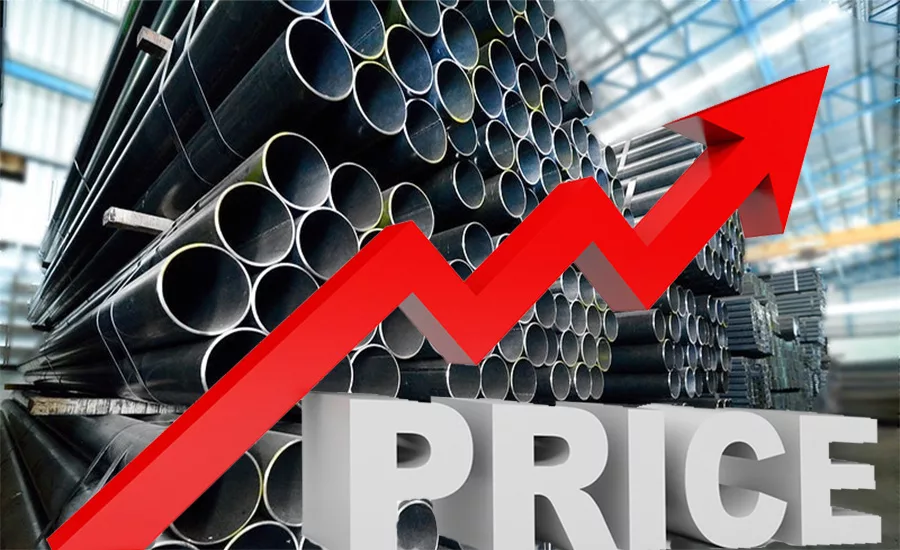
U.S. aluminum tariffs increase to 50% on June 4, doubling the previous 25% levy and driving domestic metal premiums to record highs.
— Bryan Gottlieb/Roofing Contractor | Elements: Adobe Stock
Aluminum and steel tariffs doubled to 50 percent on Wednesday, sending domestic metal premiums up more than half since April and driving material price spikes across manufacturing and construction.
That increase follows a series of actions that began in mid-March, when the administration restored a 25 percent duty on aluminum imports—ending exemptions for Canada, Mexico, the European Union and Japan—and imposed a “smelted and cast” requirement for duty-free status.
On April 2, the scope was expanded to include empty aluminum cans and canned beer, effective retroactively as of April 4. On May 30, the president announced that the tariff would double to 50 percent, effective June 4, to bolster domestic producers.
Those moves came amid legal challenges. On May 28, the U.S. Court of International Trade vacated the “fentanyl” and “reciprocal” tariffs, ruling that they exceeded presidential authority. However, an appeals court stayed the ruling on May 29, keeping those duties in place. A temporary block on a 10 percent “universal tariff” imposed April 5 was lifted by the appeals court on May 29.
Earlier, in February, the White House imposed a 25 percent tariff on most imports from Canada and Mexico and a 10 percent levy on Chinese goods, citing fentanyl trafficking and border security. In March, the China tariff rose to 20 percent for insufficient opioid enforcement, and steel imports faced a renewed 25 percent duty with a “melted and poured” requirement.
As of June 4, the U.S. tariff framework stood at approximately 30 percent on Chinese imports, 25 percent on most goods from Canada and Mexico, and 50 percent on steel and aluminum from all countries except the U.K.

Broader Economic Impacts
These sweeping tariffs have intensified inflationary pressures. Deutsche Bank analysts estimate that metal levies alone could add roughly 0.4 percentage points to core inflation in 2025.
The nonpartisan Congressional Budget Office projects that, if tariffs remain at current levels, U.S. GDP growth could slow from approximately 1.6 percent in the first quarter to near zero by year-end.
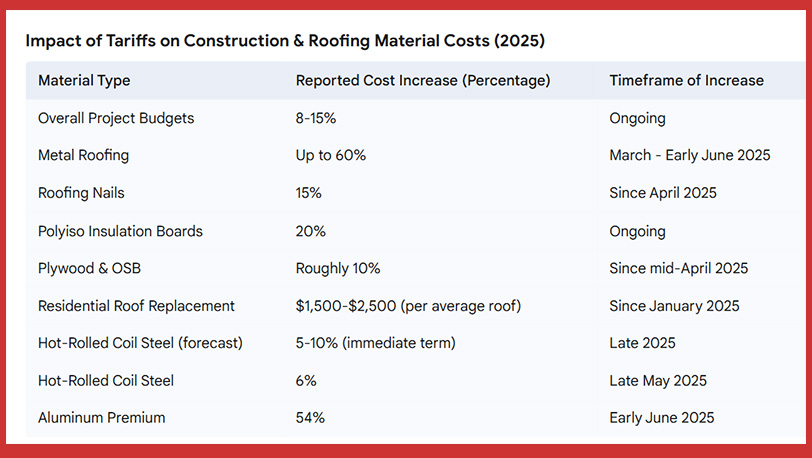
Metal prices are climbing: hot-rolled coil steel rose 6 percent in late May, while the aluminum premium has already spiked 54 percent in the first days of June, forcing higher retail prices on autos, appliances, and electronics.
The Wall Street Journal has conducted considerable reporting on how supply chains have fractured as importers scramble to secure alternatives. Some firms report lead times for raw materials stretching from weeks to months, and planned factory expansions have been postponed or canceled amid unpredictable cost increases.
Closing the de minimis exemption has burdened small‑goods merchants, who either absorb higher duties or pass costs to consumers, according to the St. Louis Federal Reserve Bank’s blog, FRED.
Meanwhile, the World Trade Organization is set to review challenges from the EU and China, each arguing U.S. measures violate international norms.
The White House has argued the tariffs are essential to revive domestic manufacturing and protect national security; critics counter that prolonged trade confrontation risks fragmenting global supply chains, reducing cross-border investment, and inflicting long-term economic harm.
* * *
Construction‑Industry Effects
Developers on both coasts say project budgets have swelled by 8 to 15 percent as steel and aluminum costs rise. One Washington, D.C., warehouse developer saw steel expenses alone increase by $15 million on a $100 million project, according to a report by Business Insider.
The report also cited a $300 million recycling plant in Erie, Pa., which was canceled in part because tariff-driven cost escalations delayed federal loan guarantees. Although domestic mills are ramping up, analysts cite that regulatory constraints and high energy costs mean U.S. output will not replace lost imports for years.
Labor has also tightened. With stricter immigration enforcement and tariffs on Canadian and Mexican lumber and Chinese semiconductors, wages for skilled trades—especially those that rely on foreign labor—have risen an estimated 25 to 35 percent since early 2025.
Roofers, electricians and welders command higher pay as contractors compete for a shrinking pool of experienced workers. The combined effect of rising material and labor expenses has squeezed margins: a survey by Walls & Ceilings' sister publication Roofing Contractor found 23 percent of builders expect profit margins to decline over the next six months—an all‑time high since October 2024.
As a result, many firms are reporting that they are scaling back bids, delaying non-essential projects, and seeking contract renegotiation to account for volatile material prices.
Although federal infrastructure spending remains robust, private commercial and residential segments face headwinds from elevated borrowing costs and reduced investor appetite linked in part to tariff uncertainty.
RELATED | Walmart’s Tariff Remarks Make Impact Clear, Raising Trump’s Ire
 Sources: FMICorp.; Kyro; Teir-One Roofing; QXO; PitchRoofing
Sector Impacts
Roofing contractors remain on the front line of tariff‑driven inflation. Metal roofs have felt the highest strain. According to an analysis by Roofing Contractor, metal roofing costs increased by as much as 60 percent between March and early June 2025, reflecting the rise from 25% to 50% tariffs on steel and aluminum.
A report by RainTech Oklahoma projects domestic hot‑rolled coil steel will reach about $890 per short ton by late 2025, pushing metal panel prices up 5 to 10 percent in the immediate term.
Asphalt shingles and insulation are not immune, either. Although asphalt relies on petroleum, manufacturers use metal-coated plastics and fasteners, resulting in a 15% increase in roofing nails since April and a 20% increase in polyiso insulation boards due to higher aluminum backing costs.
Tariffs on Canadian lumber have increased plywood and OSB prices by roughly 10 percent since mid-April, affecting roof decking costs.
Combined, these increases mean that replacing an average residential roof now costs $1,500 to $2,500 more than it did in January 2025, depending on the size and material.
Labor shortages remain acute. Experienced installers for metal roofs are hard to find. During an interview on RC’s sister publication, Walls & Ceilings. Legal Insights columnist Trent Cotney says wages for skilled roofing labor could rise another 25 to 35 percent through 2025 as roofers compete for fewer qualified workers.
Higher payroll costs, paired with surging material expenses, have squeezed cash flow—especially for small and mid‑size contractors without buying power. An RC survey confirmed 23 percent of firms expect profits to shrink over the next six months, driven largely by material costs.
Larger, vertically integrated companies—those that own affiliated supply or manufacturing arms—can mitigate some increases, but independents lack that leverage.
International competition has shifted, too. With U.S. metal tariffs at 50 percent, Asian and European manufacturers are redirecting shipments to Southeast Asian markets. That rerouting has tightened supply for U.S. buyers and driven additional price spikes.
Domestic fabricators are expanding their capacity, but many projects face lead times of 6 to 9 months as mills navigate energy constraints and environmental permitting delays, according to comments in March by Eiseman Exterior Experts.
In May, 45 percent of contractors reported project hold-ups of at least two weeks due to delayed deliveries or stockouts of metal panels, fasteners, or insulation. Some are stockpiling coils and fasteners in spring to hedge against summer price surges.
Looking Ahead
As of June 4, the U.S. tariff regime is at its most expansive in decades, with layered duties affecting nearly all major imports. The doubling of steel and aluminum levies to 50 percent, combined with 10 percent universal and 30 percent China tariffs, has stoked inflation, disrupted supply chains and weighed on consumer spending.
Roofing contractors, such as Prince & Sons in North Carolina, report that face metal prices have surged by 60 percent, labor wages have risen by up to 35 percent, and profit margins are at their lowest since late 2024.
Domestic producers, such as Nucor, U.S. Steel, and Alcoa, are enjoying short-term gains, Reuters reported. However, the broader industry confronts uncertainty, as CIT decisions and potential World Trade Organization challenges may reshape the tariff landscape once again.
Contractors who secure domestic sources, lock in pricing early, and adapt their product lines stand a better chance of maintaining margins.
Without rapid diplomatic progress or tariff rollbacks, elevated costs are likely to persist, forcing industry participants to innovate or risk losing business to competitors who can better absorb or sidestep tariff‑driven inflation.
Looking for a reprint of this article?
From high-res PDFs to custom plaques, order your copy today!

Bryan Gottlieb is the online editor at Engineering News-Record (ENR).
Gottlieb is a five-time Society of Professional Journalists Excellence in Journalism award winner with more than a decade of experience covering business, construction, and community issues. He has worked at Adweek, managed a community newsroom in Santa Monica, Calif., and reported on finance, law, and real estate for the San Diego Daily Transcript. He later served as editor-in-chief of the Detroit Metro Times and was managing editor at Roofing Contractor, where he helped shape national industry coverage.
Gottlieb covers breaking news, large-scale infrastructure projects, new products and business.

email gottliebb@enr.com | office: (248) 786-1591