If Walls Could Talk
Contractors Urged to Embrace Self-Audits as Federal Oversight Expands
In the latest episode of “If Walls Could Talk,” Legal Insights contributor Trent Cotney of Adams and Reese explains why contractors should proactively conduct self-audits to improve compliance, reduce risks, and prepare for shifting federal regulations.
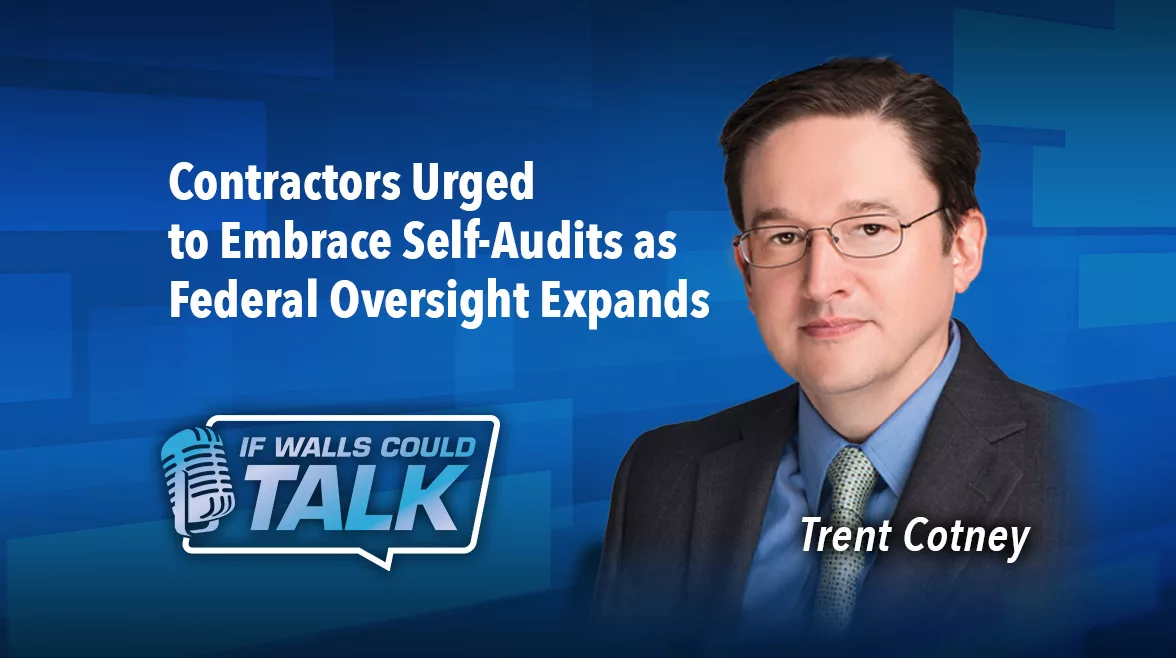
Federal oversight of construction practices is tightening, and contractors are being encouraged to take proactive steps to ensure compliance before regulators come knocking. In the newest episode of the “If Walls Could Talk,” Roofing Contractor’s Art Eisner sat down with construction law expert Trent Cotney of Adams and Reese to unpack the Department of Labor’s latest push for expanded self-auditing.
OSHA Self-Auditing Strategies for Contractors
Federal regulators are urging contractors to adopt proactive self-auditing practices, with experts like Trent Cotney recommending independent audits to strengthen safety, labor compliance, and inclusion policies while minimizing exposure to penalties. He also highlighted broader industry challenges, including labor shortages tied to immigration enforcement and rising costs from tariffs, urging contractors to stay proactive and adaptable.
Cotney explained that six agencies under the Department of Labor—including OSHA, mine safety, wage and hour, and labor management standards—are encouraging contractors to adopt more robust internal audits. OSHA, for example, already offers voluntary compliance partnerships and protection programs that allow for on-site consultations. While these programs can help contractors strengthen safety, Cotney noted that results vary. Some firms have benefited from improved practices, while others faced citations after inviting OSHA inspectors onto their sites.
Because of these risks, Cotney strongly recommends independent audits carried out by consultants, attorneys, or association resources. This approach, he said, allows contractors to identify gaps in safety programs, labor compliance, and even diversity and inclusion policies—without immediately exposing themselves to government penalties. “Anytime you can fix problems before they happen, I’m a big believer in that,” Cotney emphasized.
Beyond safety, contractors also face mounting challenges around immigration and tariffs. Cotney pointed out that construction job hires have fallen by 14%, with labor shortages tied closely to immigration enforcement. He urged contractors to advocate for a legal pathway for immigrant workers, stressing that construction, like agriculture and hospitality, depends heavily on this workforce. Tariffs—particularly on steel—are another looming concern that could affect costs and supply chains in the near future.
Ultimately, Cotney advised contractors to embrace a proactive mindset: conduct audits at least once or twice a year, involve legal counsel where possible to preserve privileges, and use available resources to stay compliant. While regulations continue to evolve, creating a culture of safety and compliance can protect contractors from liability and position them to adapt more smoothly.
“Proactive beats reactive every time,” Cotney said. “The goal is to find and fix problems before they turn into citations—or worse.”
Looking for a reprint of this article?
From high-res PDFs to custom plaques, order your copy today!