How Data and Noncombustible Materials Can Drive a Safer, Sustainable Future
After devastating fires in California, industry leaders and the Steel Framing Industry Association are pushing for data-driven strategies to highlight the benefits of noncombustible steel framing and strengthen the case for resilient construction.

Last week, I met online with representatives of the concrete industry, the green building industry, and Steven Crosby, grandson of iconic singer and actor Bing Crosby. Steve has previously worked with our industries, including as part of the coalition to mandate noncombustible construction in Los Angeles. Tragically, he is also one of the many victims of the fires that swept through Pacific Palisades earlier this year, destroying his home, possessions, and family heirlooms—including keepsakes from his famous grandfather.
Unlike many other fire victims, Steve plans to rebuild with noncombustible materials and partner with industry and sustainability experts to encourage others to do the same. “It makes no sense to build back with the same materials that fueled the devastation of my entire community,” Crosby said. The challenge, however, is helping others recognize the long-term value of noncombustible construction instead of defaulting to “business as usual.”
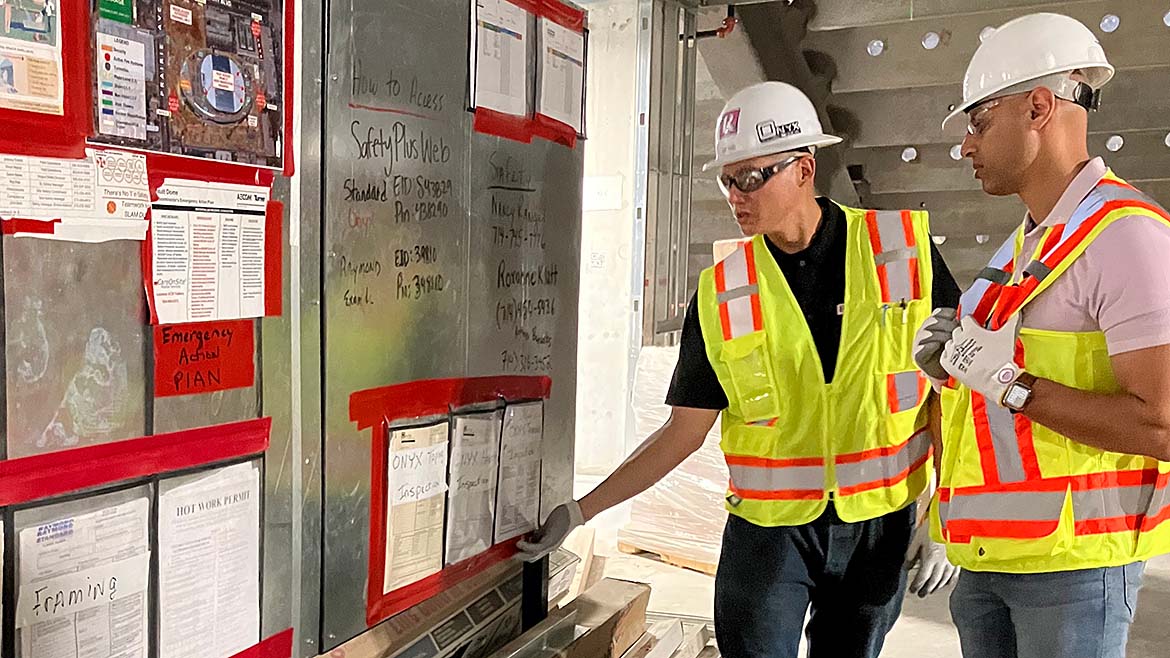
Most job sites track data on employees, safety, materials, and other significant inputs and outputs. SFIA is working to leverage industry data to better serve suppliers, members and customers.
Photo: Steel Framing Industry Association
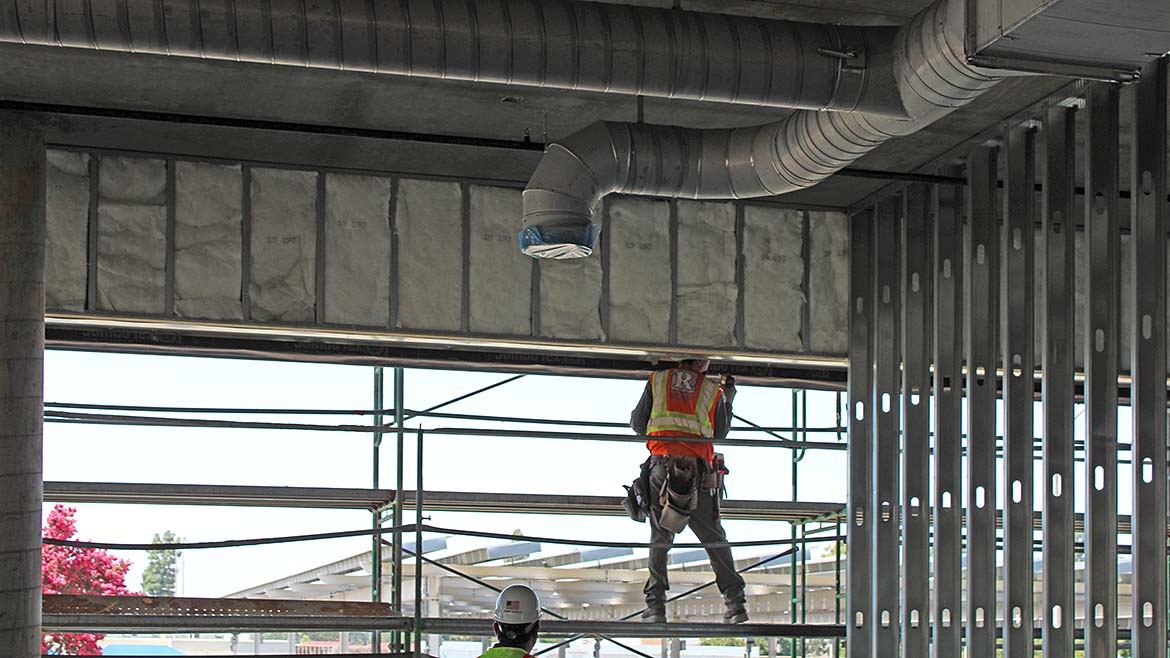
Current SFIA data collection includes only structural and nonstructural tonnage. The SFIA data task group is looking at ways to more accurately collect and curate this information for increased industry relevance.
Photo: Steel Framing Industry Association
This meeting was one of several organized by Steel Framing Industry Association representatives as part of our ongoing effort to spread the word about steel framing’s benefits, including strength and fire resistance. Since the January fires, I have also met with leaders from the insurance sector, the Metal Construction Association, the Metal Roofing Alliance, the National Ready Mixed Concrete Association and others. Our next major initiative involves engaging the insurance industry—but to succeed, we need better data on fire losses in steel-framed structures. Unfortunately, this information is scarce, which is why SFIA’s new strategic plan prioritizes collecting, curating, and leveraging industry data. A dedicated SFIA task group is already working on this.
From Personal Loss to Industry Advocacy: Steven Crosby’s Call for Change
In today’s business environment, data is essential for understanding both building performance and market dynamics. Until recently, SFIA only tracked tonnage data—the volume of steel framing sold by our manufacturer members, split into structural and nonstructural categories. Now, we are working to refine and expand this collection to capture more meaningful insights. Beyond sales data, we want to track the types of structures where steel framing is used, performance comparisons with concrete and wood, load-bearing applications, panelization and modular construction trends, and research or code-related needs.
Our vision is to create a dataset similar to the American Institute of Architects’ Architecture Billings Index, which provides a nine- to 12-month forecast of construction activity. By adapting this approach to cold-formed steel shop drawings, we could forecast framing demand four to 12 weeks in advance and identify specific types of framing members likely to be used. This could also extend to prefabricated steel components such as trusses, panels, and modular units. Partnerships with organizations like the Modular Building Institute and the Offsite Construction Alliance could help us better understand steel’s market share and the impact of modular construction.
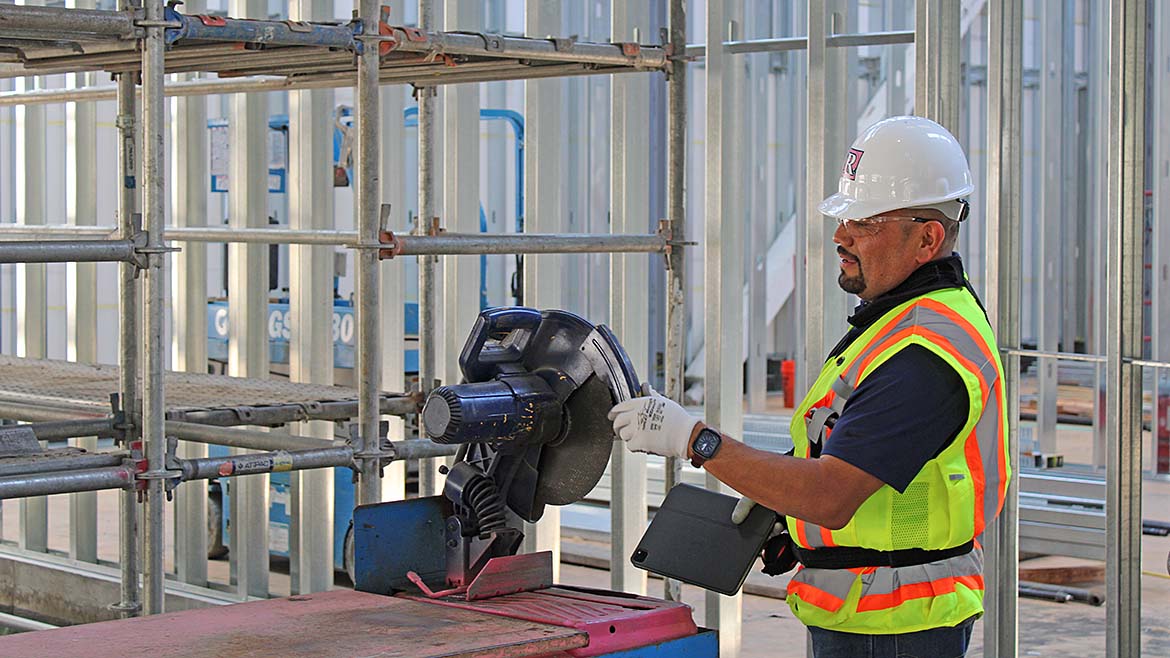
Data can eventually be used to find faster, safer, and cheaper ways to cut and process framing members, or even eliminate field cutting entirely.
Photo: Steel Framing Industry Association
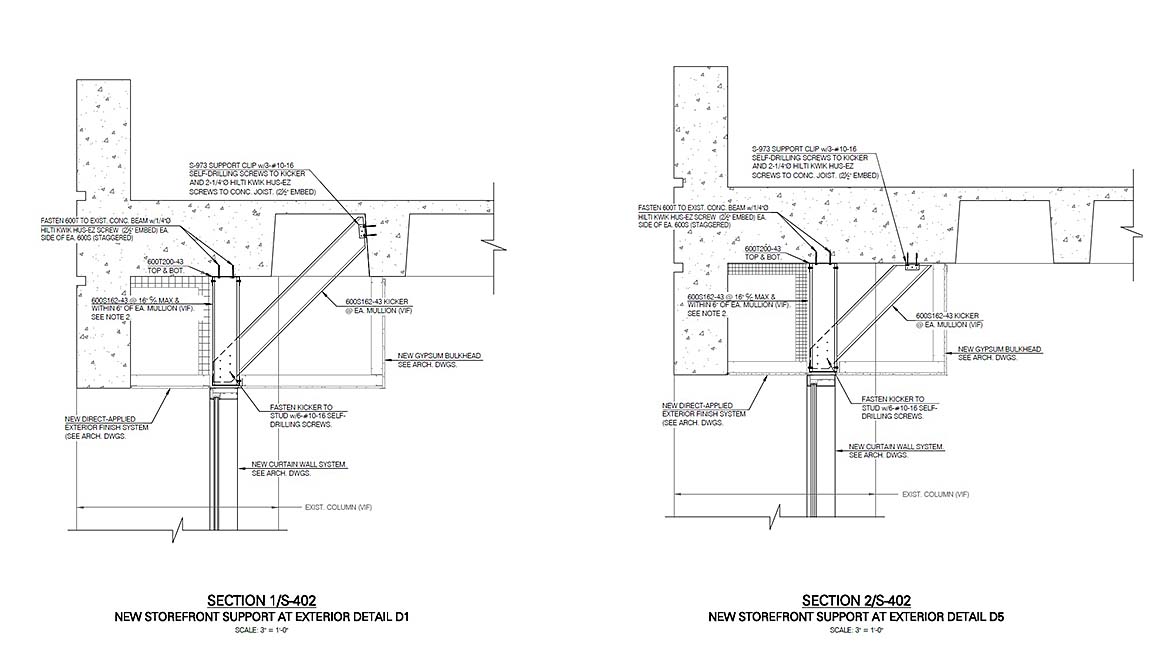
Current SFIA data collection includes only structural and nonstructural tonnage. The SFIA data task group is looking at ways to more accurately collect and curate this information for increased industry relevance.
Diagram: Steel Framing Industry Association
Building a Stronger Future Through Data and Collaboration
No discussion of data is complete without acknowledging the surge in data center construction. Driven in part by the rapid growth of artificial intelligence, this sector has buoyed an otherwise sluggish construction economy and is expected to sustain demand for structural CFS through 2026 and beyond. This underscores not only steel’s importance but also the critical role of accurate, timely data across industries. From agriculture to global supply chains to just-in-time delivery, data is shaping decisions at every level—and construction is no exception.
That’s why SFIA’s task group on data is working proactively to ensure that the information we collect and share provides clear, actionable insights. Our responsibility is to deliver data that helps stakeholders make informed choices, supports market growth, and strengthens the case for steel framing as a sustainable and resilient solution.
Following last week’s meeting on the Los Angeles fires, we will collaborate with insurance representatives to provide better data and improve reporting on framing type and combustibility. Our task group will soon release recommendations on data collection and dissemination. I also welcome feedback from others in the industry: What data do you need most? Our shared goal should be to arm stakeholders with the right information to expand the market for steel framing while advancing a safer, stronger, and more sustainable construction future.
Looking for a reprint of this article?
From high-res PDFs to custom plaques, order your copy today!





