Disaster Response
How Construction Teams Can Aid Recovery from Hurricane Melissa
Contributor Steve Slepcevic reports from the Caribbean on how contractors can get involved in disaster relief and what the government is doing to help.

On October 28, 2025, Hurricane Melissa made landfall in Jamaica as a Category 5 storm with sustained winds of about 185 mph and a pressure of 892 millibars. The storm struck especially hard in the parishes of St. Elizabeth, Westmoreland, Hanover, Manchester, St. James and Trelawny.
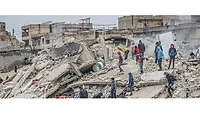
Homes, hospitals, hotels and infrastructure lost roofs or were severely damaged; roads and utilities remain disrupted. Relief efforts are underway but face logistical challenges: blocked roads, millions of tons of debris, isolated communities.
Why Contractors Are Critical Right Now
Emergency Stabilization
- Roofing is especially urgent: many homes and public buildings were roofless or had major structural damage.
- Roofing contractors are being called in.4
- Structural assessment and tarping help protect remaining infrastructure and prevent further damage (e.g., to hospitals or shelters).
- Clearing debris and repairing weather-proofing stops secondary damage from rain, mold and collapse.
Medium to Longer-term Rebuild
- Reconstructing roofs, reinforcing structures to meet future hurricane resilience.
- Upgrading to better materials, improving drainage and tying down structures to withstand strong winds.
- Working with local contractors and workers builds local capacity and helps in the economic recovery of communities.
Why Contractors Should Care
- Social impact: you’re helping real people get back to safe homes and livelihoods.
- Business opportunity: disaster recovery work often comes with urgent demand and funding via relief organizations/government programs.
- Reputation & legacy: being visible in relief efforts can build trust, partnerships, and community goodwill.
What Steve Slepcevic Is Doing
Steve Slepcevic, founder of Strategic Response Partners, jumped into action even before the storm fully hit Jamaica. Two days before landfall he arrived on the island to coordinate relief efforts.4
He launched an operation called “Operation One Roof, One Love,” focused on mobilizing roofing contractors and materials to Jamaica in immediate response.
His team has helped with:
- Shrink-wrapping damaged hospital roofs to protect remaining structures.
- Partnering with humanitarian organizations (e.g., Samaritan’s Purse, World Central Kitchen) and local officials to coordinate contractor deployments and logistics.5
- Offering a call-to-action for roofing contractors interested in volunteering or contributing via SRP.
RELATED: How Contractors are Answering the Call in Jamaica
How Contractors Can Help – Practical Steps
1. Assess your company’s capabilities & readiness
- Do you have roofing crews, structural repair teams, and debris-clearance equipment?
- Can you deploy quickly and sustain work in a tropical/hurricane recovery environment?
- Ensure you have proper insurance, licensing, health & safety protocols for overseas work.
2. Partner with relief organizations or local Jamaican contacts
- Reach out to SRP/Steve Slepcevic’s “Operation One Roof, One Love” to understand current needs.
- Connect with Jamaican local contractors to coordinate and ensure cultural/context fit.
- Work with NGOs already on the ground to align efforts with humanitarian logistics and priorities.
3. Bring materials and expertise suited to the environment
- Wind-resistant roofing systems, hurricane-rated fasteners, quality membranes.
- Consider materials pre-staged or shipped to the island to speed recovery.
- Train local workers on installation and repair to build local capacity and leave lasting benefits.
4. Logistics & deployment planning
- Plan for power outages, limited access, debris-filled roads, and disrupted supply chains.
- Ensure you have lodging, fuel, water and medical backup for your team.
- Factor in coordination with local authorities and building permitting or relief-fund requirements.
5. Communicate and document your work
- Use before/after photos, videos, testimonials—these help with recognition, future work, and building trust.
- Share your project with clients/stakeholders—many will value a company engaged in meaningful global service.
6. Consider longer-term resilience upgrades
- Evaluate not just repair, but how to make buildings more resilient to future storms (stronger roofs, better drainage, tie-downs).
- Offer maintenance programs or upgrades as part of your service to local clients/homeowners.
Contractors or suppliers interested in contributing to recovery efforts can contact Strategic Response Partners or learn more at givesendgo.com.
Looking for a reprint of this article?
From high-res PDFs to custom plaques, order your copy today!