Brick Rainscreen Systems Can Improve Traditional Veneer Performance
Brick rainscreen systems offer a more energy-efficient, airtight, and sustainable alternative to traditional brick veneer, enabling modern buildings to meet ASHRAE, Passive House, and LEED performance standards.
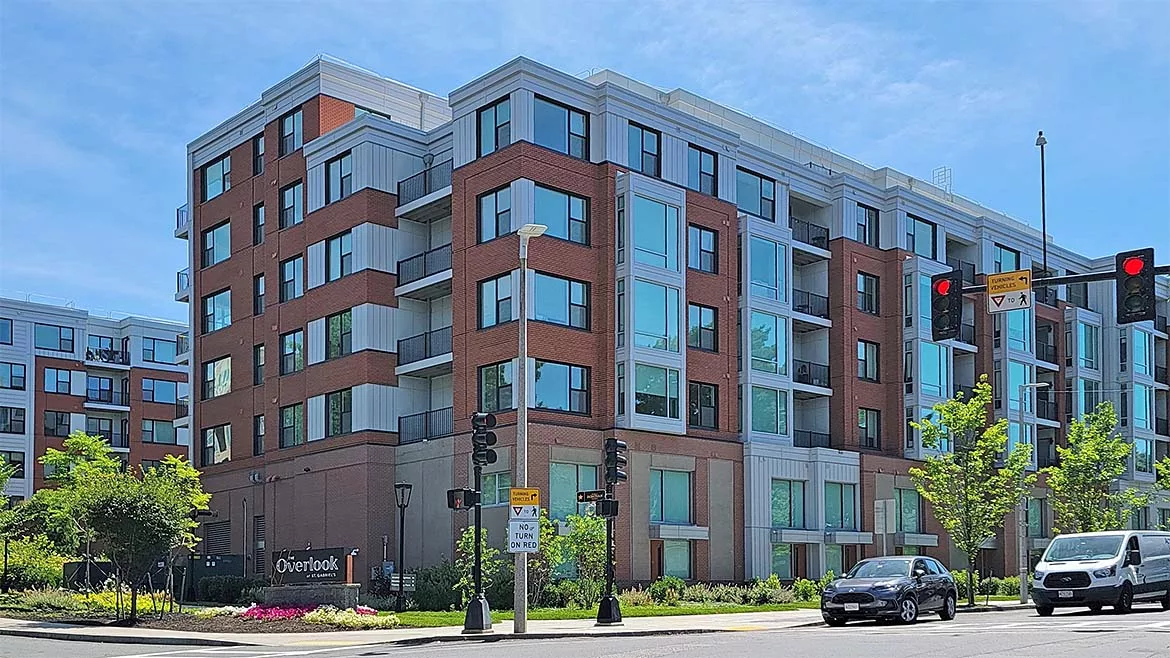
Particularly in the Eastern United States, from Maine to Georgia, brick has been a steady cladding choice for centuries, with readily available clay, shale and sand that can be sourced relatively locally. But when considering sustainable design, brick isn’t the first building envelope product that comes to mind. Lately, though, that’s changing, mostly due to the development of wall mounted brick rainscreen systems that meet the standards of AAMA 509, which have emerged in the past two decades.
And brick rainscreen systems, which in many ways outperform traditional mortar-based brick cladding, can indeed be used to meet the standards of ASHRAE, Passive House, and LEED.
Here’s a breakdown:
ASHRAE:
- Energy Efficiency: ASHRAE standards, such as ASHRAE 90.1 (for commercial buildings) and ASHRAE 90.2 (for residential buildings), focus heavily on energy. When combined with adequate insulation, a brick rainscreen can provide a well-insulated building envelope that minimizes heat loss in winter and heat gain in summer. This is more difficult to achieve with full-bed brick, but a wall-mounted rainscreen system can accommodate significantly greater insulation thicknesses, with brackets that will extend the cavity depth, allow for dedicated water management, and continuous convection air. The assembly is designed for energy efficiency and moisture management.
- Continuous Insulation: Modern ASHRAE standards emphasize the importance of continuous insulation and minimize thermal bridging, a key impediment to energy efficiency. Brick rainscreen systems, again, are designed and engineered to accommodate a layer of continuous insulation up to 10 inches on the exterior of the structural wall with thermally isolated brackets to minimize energy transmission
- Air Barriers: Controlling air leakage is crucial for energy efficiency and occupant comfort. Brick rainscreen assemblies, when properly detailed, allow for uninterrupted air/moisture barriers, minimal penetrations, and contribute successfully to an airtight building envelope.
- Specific Standards: Referencing the latest versions of ASHRAE 90.1 and 90.2 is essential to understand the current requirements for building envelopes and how brick rainscreen systems can contribute to compliance through thermal resistance (R-value), thermal transmittance (U-factor), and air leakage control.


Photos by Desana Partners.
Passive House:
- High Insulation Levels: Passive House standards demand exceptionally high levels of insulation to minimize energy consumption for heating and cooling. Brick veneers that require greater thicknesses of insulation refer to these assemblies as “engineered wall,” meaning they require special review to create the necessary structural requirements for the heavier full brick. It is universally known that exterior insulation is more effective than interior. Brick rainscreen facade systems are designed to comfortably accept greater thickness—again, up to 10 inches—to meet these stringent R-value requirements.
- Airtightness: Achieving a very high level of airtightness is a cornerstone of Passive House design. Full-bed brick assemblies must be carefully detailed and integrated with a continuous air barrier to meet the Passive House airtightness targets (typically ≤ 0.6 air changes per hour at 50 Pascals). Rainscreen systems are designed to accommodate exterior insulation and thermally isolating clips.
- Thermal Bridge-Free Design: Passive House aims to eliminate thermal bridges, which can allow heat to escape or enter the building. Full-bed brick veneers require attachments (like shelf angles at every or nearly every floor) to be thermally broken to prevent these energy losses; rainscreens with stainless steel trays require no shelf angles and can last up to 75-100 years with little to no maintenance.
Leadership in Energy and Environmental Design:
LEED certification addresses a wide range of sustainability aspects, and brick rainscreen facade systems can contribute to earning points in several categories:
- Energy and Atmosphere:
- Optimize Energy Performance: As mentioned with ASHRAE, the thermal mass and insulation integration with brick facades can contribute to reduced energy demand. LEED credits can be achieved through a rainscreen utilizing exterior insulation.
- Building Product Disclosure and Optimization – Environmental Product Declarations: If the brick manufacturer provides an EPD, it can contribute to LEED credits by demonstrating the environmental impact of the product throughout its lifecycle.
- Building Product Disclosure and Optimization – Sourcing of Raw Materials: Using regionally sourced brick (extracted, harvested, or recovered within 500 miles of the project site) can earn LEED points.
- Materials and Resources:
- Building Life-Cycle Impact Reduction: The durability and long lifespan of brick can contribute to this credit. Brick rainscreens are engineered with mill-finish aluminum, stainless steel, and bricks, which will contribute significantly to extended lifecycle impact.
- Material Reuse: Salvaged materials can be used, contributing to waste reduction and material reuse credits. Sub-framing systems utilize aluminum and galvanized steel.
- Recycled Content: Some brick products incorporate recycled materials, which can contribute to LEED credits. All steel and aluminum can be recycled.
- Innovation in Design: Innovative uses of brick rainscreen assemblies can earn innovation points.
And the list goes on.
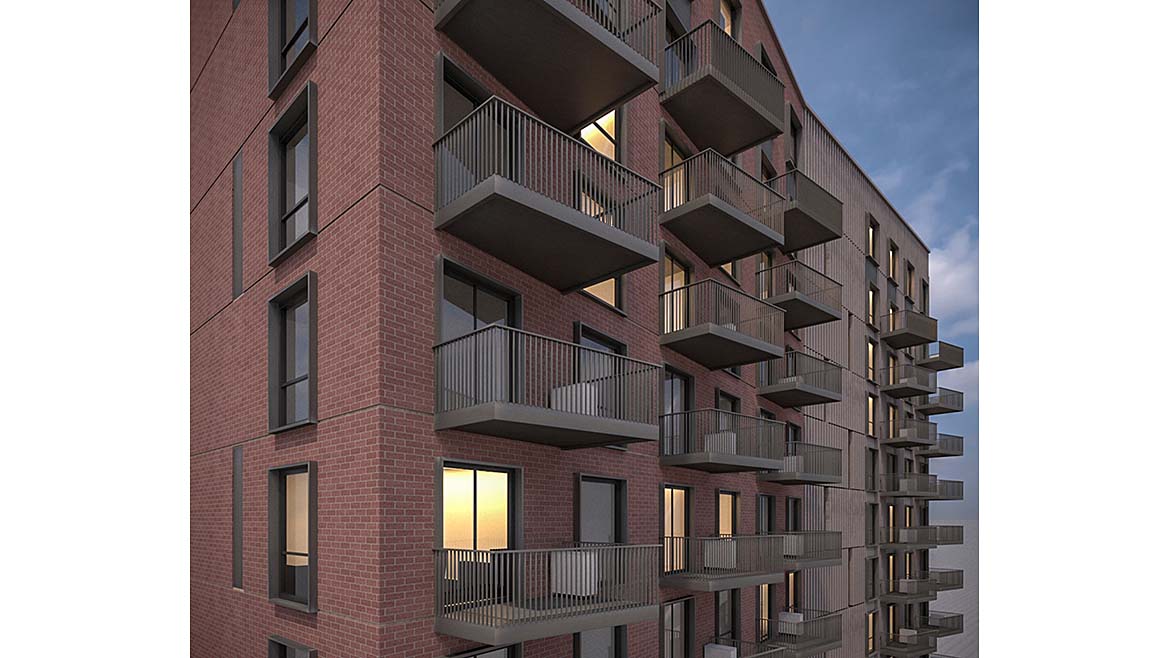

Photos by Desana Partners.
Key Considerations for Using Brick Rainscreen Systems vs. Full-Bed Brick to Meet These Standards:
- System Design: The specific type of brick facade system will influence its performance and ability to meet different standards. Rainscreen systems are often preferred for high-performance buildings, as they facilitate continuous insulation and moisture management.
- Insulation Integration: Higher standards of energy performance require more and thicker continuous exterior insulation in the cavity behind the brick and is crucial for meeting the energy efficiency demands of all three standards.
- Airtightness Detailing: Careful detailing around penetrations, transitions, and connections is essential to achieve the required levels of airtightness, especially for Passive House and to optimize energy performance for ASHRAE and LEED.
- Thermal Bridging Mitigation: Addressing thermal bridges in the facade system's design and installation is vital for Passive House and contributes to better energy performance for ASHRAE and LEED. With rainscreen assemblies, there are options for subframing components that include stainless steel, aluminum, galvanized and composite materials offering greater performance for the project.
- Material Selection: Choosing components for brick assemblies with specific environmental attributes (recycled content, regional sourcing, EPDs, HPDs) can help achieve LEED credits.
- Local Climate: Design considerations should always include the local climate to optimize the performance of the brick facade system in terms of energy efficiency and durability.
Brick in rainscreen systems is still brick, produced by the same brick manufacturers, and is very compatible with sustainable building practices. For the AEC community, mechanically attached, wall-mounted brick rainscreen systems can bring brick back into a preferred choice for sustainable facades, and be a valuable component in achieving the goals of ASHRAE, Passive House, and LEED. As is typical all of today’s high-performance facades, they require careful system design, appropriate integration with insulation and air barriers, and attention to detail in construction. Shop drawings and third-party engineering review is becoming a standard in all facades, including brick rainscreens. Consulting with experienced architects, engineers, and Passive House consultants is recommended for projects pursuing these high-performance building standards.
Looking for a reprint of this article?
From high-res PDFs to custom plaques, order your copy today!





