Walls & Ceilings logo
search
cart
facebook twitter linkedin youtube youtube Spotify Podcasts Apple Podcasts Spotify Podcasts Apple Podcasts
  • Sign In
  • Create Account
  • Sign Out
  • My Account
Walls & Ceilings logo
  • NEWS
  • TOPICS
    • Drywall
    • Stucco/EIFS
    • Ceilings
    • Steel Framing
    • Fireproofing
    • Interior Plaster
    • Building Envelope
    • Insulation
    • Technology
    • Interior
    • Exterior
    • Women In Construction
  • COLUMNS
    • Up Front
    • All Things Gypsum
    • Art & Craft of Plastering
    • Stucco Stop
    • Steel Deal
    • Industry Voices
  • PRODUCTS
    • Buzz Guide
  • EVENTS
    • Industry Events
    • Webinars
    • BUILD Expo
  • MEDIA
    • Videos
    • Podcasts
    • Photo Galleries
    • BUILD26 Videos
    • Take our Quiz!
    • Infographics
  • EXCLUSIVE
    • Newsletters
    • Top 50 Contractors
    • Contractor of the Year
    • State of the Industry
    • W&C Store
    • Market Research
    • CEUs
    • Sponsor Insights
    • Custom Content & Marketing Services
  • DIRECTORY
  • EMAGAZINE
    • eMagazine
    • Advertise
    • Archive Issues
  • SIGN UP!
Building EnvelopeInsulation

Fiberglass Insulation: Clearing the Air

For decades, fiberglass insulation has evolved quietly, and today’s products are cleaner, safer, and more versatile than many professionals still believe.
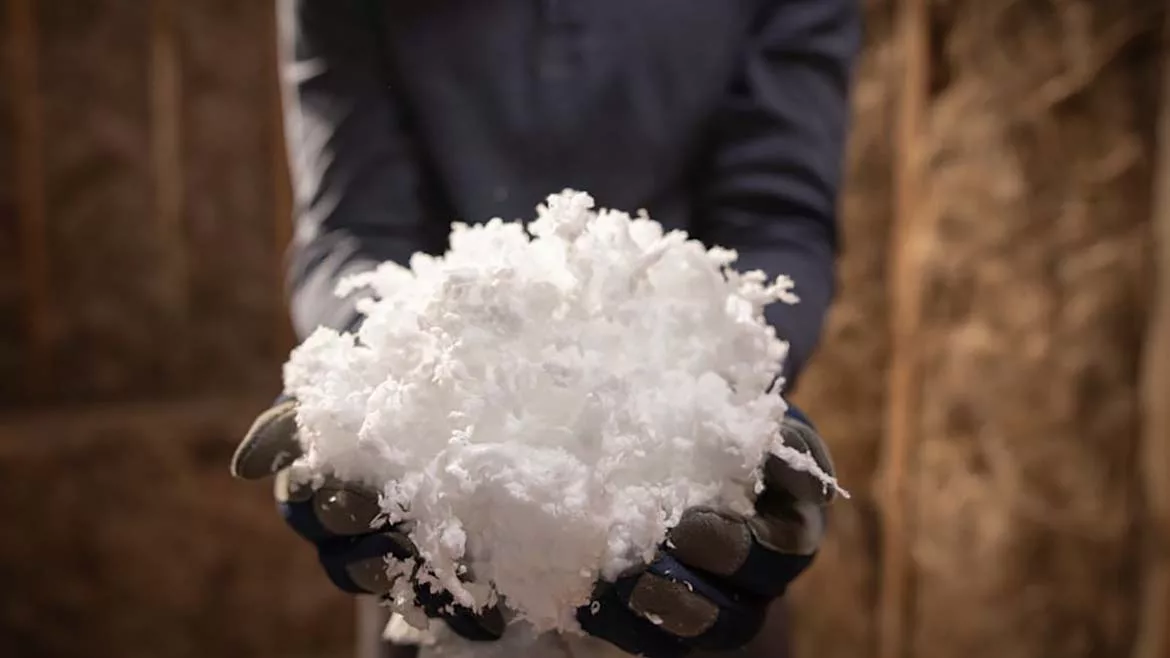
By Mickey Chastain
Blowing-wool
Knauf
March 16, 2026
Key Takeaways
  • Modern fiberglass is easier to handle, improving installer comfort and productivity on the jobsite.
  • Formaldehyde-free insulation helps projects meet indoor air quality and sustainability requirements.
  • Fiberglass delivers both thermal and acoustic performance, reducing material complexity in wall and ceiling assemblies.

Fiberglass insulation has served as a reliable solution in homes and buildings for decades. Yet many professionals still hear the same questions on job sites: Does it irritate skin? Does it contain harmful chemicals? Does it help control sound? These concerns stem from an outdated image of insulation products from years ago. The reality is that manufacturing and material science have advanced significantly, and those changes matter for the health and safety of installers, building occupants, and the spaces they use every day.

To understand why outdated impressions persist, it helps to look at the most common myths still circulating in the field.

Myth 1: Fiberglass is Itchy and Irritating
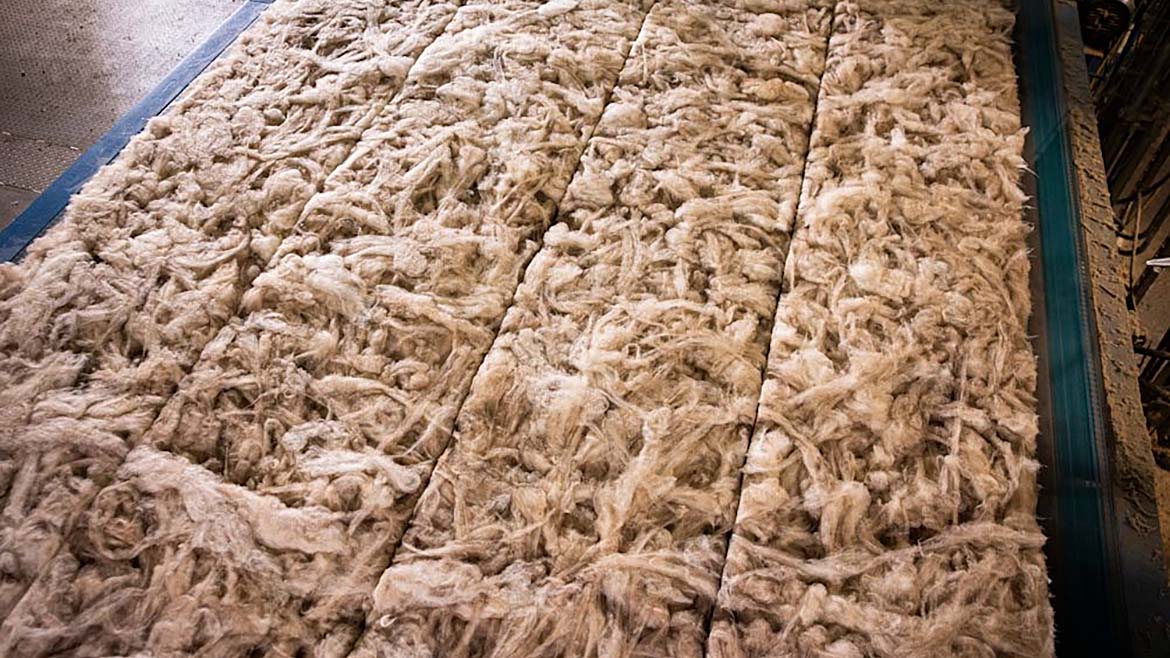
Insulation-batt-manufacturing

Photo: Knauf

Early generations of fiberglass used coarser fibers and formaldehyde-based binders. Handling those products sometimes caused irritation, and over time that experience developed into a lasting reputation.

Today’s manufacturing processes produce fibers that feel smoother and more consistent. Modern bio-based binders allow insulation to hold its shape while remaining easier to work with. Installers often note that the material feels less abrasive and is easier to cut and install. While basic protective equipment remains standard practice in any trade, the overall experience has changed significantly from what many remember. 

Myth 2: Fiberglass Gives Off an Unpleasant Odor

Older formaldehyde-based binders sometimes produced noticeable smells during installation. Many professionals came to expect it, and over time it became associated with the job. As a result, people often still assume that any fiberglass product carries a strong odor or chemical smell. 

Binder technology has evolved. Low-odor formulas improve comfort during installation and support cleaner indoor air once the building is occupied. These improvements give contractors more flexibility when working indoors, especially on projects with tight schedules or limited ventilation. They also help ease concerns from building owners or occupants who may be sensitive to odors. 

Myth 3: All Fiberglass Insulation Contains Formaldehyde
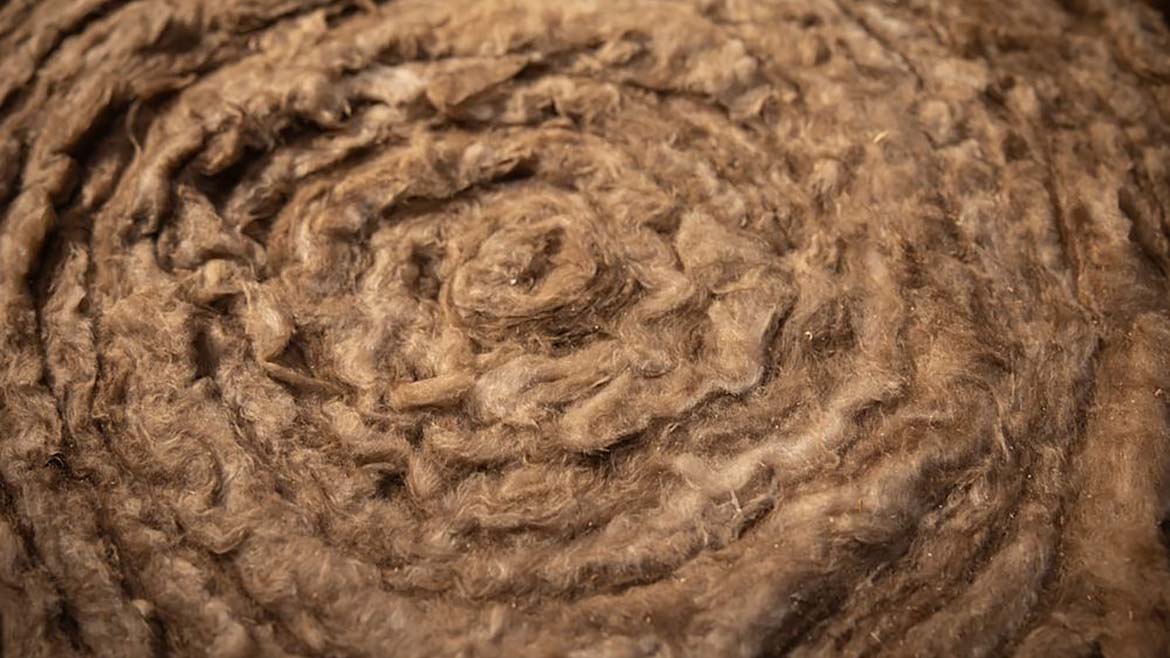
Insulation roll

Photo: Knauf

Formaldehyde was once a common ingredient in many building materials. Over time, research and regulation pushed the industry to develop alternatives, and fiberglass insulation evolved accordingly. 

Knauf introduced formaldehyde-free binders more than a decade ago, and as of January 1, 2026, all its commercial and residential products are completely formaldehyde-free. This shift helps building teams meet indoor air quality standards and strengthens compliance with sustainability programs that reward safer materials, including those recognizing low-emitting systems. For building owners and design teams, it simplifies specification and helps ensure material performance aligns with project goals. 

Myth 4: Fiberglass Insulation Doesn’t Help With Sound
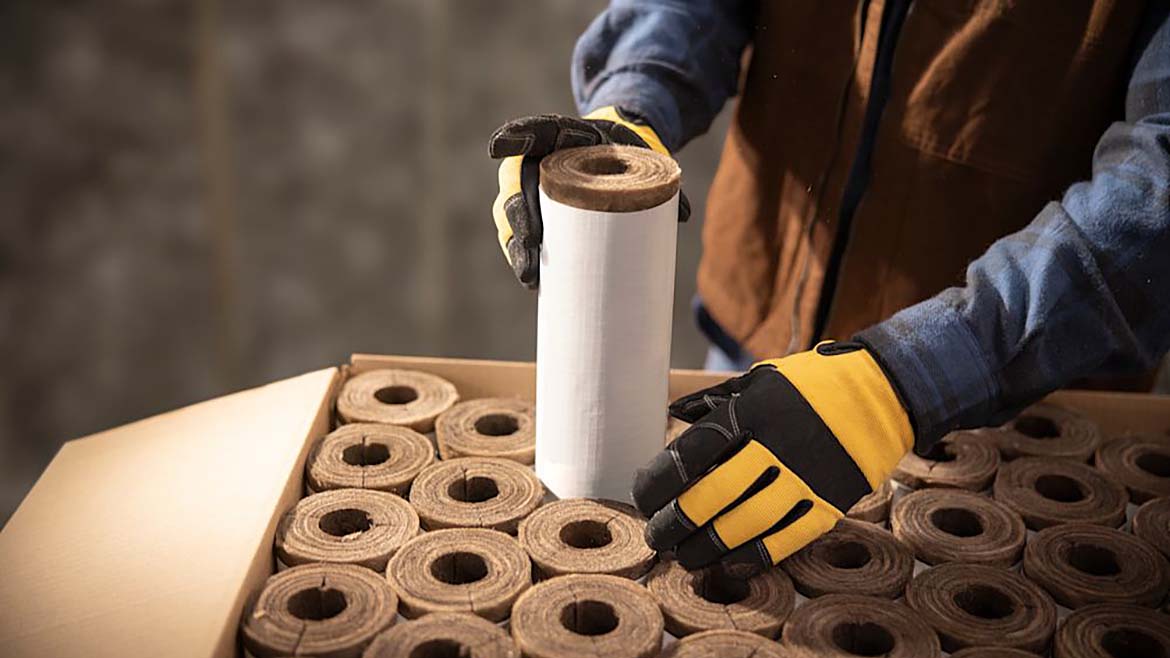
Insulation roll

Photo: Knauf

Some believe fiberglass only contributes to thermal performance. In practice, fiberglass offers meaningful acoustical benefits by reducing noise transmission between rooms and from external sources. This makes it well suited for multifamily housing, healthcare facilities, offices, and schools where acoustic comfort affects productivity and well-being.  

Designers can use a single material to address both thermal and sound control needs, meeting multiple performance targets without adding complexity to wall or ceiling assemblies. The acoustic performance of fiberglass often surprises those who associate sound control only with heavier, denser materials.  

Myth 5: Fiberglass Isn’t Sustainable

As sustainability expectations continue to rise, many professionals look for materials with recycled content and clear environmental benefits.  

Fiberglass insulation has a strong sustainability profile. It often includes significant recycled glass content, reducing the need for virgin raw materials. Its lightweight nature also helps lower transportation impacts. Continued improvements in binder technology are moving products toward cleaner formulations that support both environmental goals and indoor air quality, without compromising performance. 

The Truth About Fiberglass

Modern fiberglass insulation features cleaner ingredients, advanced binder technology, and a strong focus on indoor air quality. Contractors familiar with older products are often surprised when they encounter today’s materials for the first time. Fibers feel softer, odors are minimal, and many products qualify for low-emitting material programs such as LEED.   

By understanding how fiberglass has evolved, industry professionals can make decisions based on current facts rather than outdated impressions. That clarity leads to better material choices, healthier spaces, and stronger project outcomes.

KEYWORDS: acoustics batt insulation fiberglass insulation systems Knauf Insulation Inc. LEED PPE (personal protection equipment) reports and studies sustainability

Share This Story

Looking for a reprint of this article?
From high-res PDFs to custom plaques, order your copy today!

Wc0925 feat knauf p5 author mickey chastain headshot 250 bw (2)
Mickey Chastain, a certified professional training manager is director of the Knauf Academy, where he leads technical training and support for employees and customers. A 20-year Knauf veteran, he is passionate about educating others on installation best practices, building science, and product innovation. He champions diverse learning methods — from hands-on workshops to on-demand and virtual reality training.

Recommended Content

JOIN TODAY
To unlock your recommendations.

Already have an account? Sign In

  • Abercrombie & Fitch

    EIFS in 2026: How Specialty Finishes Are Redefining Exterior Wall Systems

    As building codes, owner expectations, and design demands...
    Stucco/EIFS
    By: Regi Mendoza
  • proper air and vapor control

    From Energy Efficiency to Moisture Management: Why Air and Vapor Control Matter

    How proper air and vapor control within building...
    Building Envelope
    By: Benjamin Meyer AIA, LEED AP
  • Linear Metal Ceiling Beam Baffles

    Top 25 Ceiling Contractors of 2026

    Suspended ceilings demand precision, code compliance and...
    Ceilings
    By: John Wyatt and Tanja Kern
You must login or register in order to post a comment.

Report Abusive Comment

Manage My Account
  • eMagazine Subscription
  • Newsletters
  • Online Registration
  • Manage My Preferences
  • Subscription Customer Service

More Videos

Sponsored Content

Sponsored Content is a special paid section where industry companies provide high quality, objective, non-commercial content around topics of interest to the Walls & Ceilings audience. All Sponsored Content is supplied by the advertising company and any opinions expressed in this article are those of the author and not necessarily reflect the views of Walls & Ceilings or its parent company, BNP Media. Interested in participating in our Sponsored Content section? Contact your local rep!

close
  • medical professionals moving a patient on a stretcher through the halls of a medical building
    Sponsored byNational Gypsum Company

    What Does High Performance Mean When It Comes To Gypsum Boards?

Popular Stories

Linear Metal Ceiling Beam Baffles

Top 25 Ceiling Contractors of 2026

Wichita Biomedical Campus

Wichita Drywall Worker Dies After Scaffolding Fall

QXO Just Changed the Game-Here's What Contractors Are Asking

QXO Just Changed the Game-Here's What Contractors Are Asking

An interior drywalling work in progress

Boost Profits with AI Scheduling

Events

June 24, 2026

The Bright Side & Benefits of Designing with Integrated Lighting

Credits 1 AIA LU/HSW; 0.1 ICC CEU

This course will explore the pivotal role architects and lighting design play in creating safer, more sustainable spaces. Learn how to avoid common lighting mistakes and make informed decisions that create the best visual environment for occupants. 

January 1, 2030

Webinar Sponsorship Information

For webinar sponsorship information, visit www.bnpevents.com/webinars or email webinars@bnpmedia.com.

See our full library of webinars

View All Submit An Event

Products

2026 National Painting Cost Estimator

2026 National Painting Cost Estimator

See More Products

Related Articles

  • Knauf Performance+ Fiberglass Insulation for Residential Construction

    Knauf Unveils Performance+ Fiberglass Insulation for Residential Construction

    See More
  • Knauf Performance+ Fiberglass Insulation

    Knauf Announces New Performance+ Fiberglass Insulation Portfolio

    See More
  • Impacts of the Air Barrier on Building Performance

    Impacts of the Air Barrier on Building Performance

    See More

Related Products

See More Products
  • building codes illustated.jpg

    Building Codes Illustrated: A Guide to Understanding the 2021 International Building Code, 7th Edition

  • Lean Builder book cover - front.jpg

    The Lean Builder

See More Products

Related Directories

  • ATLAS Roof & Wall Insulation

    With decades of proven performance, Atlas EnergyShield continuous wall insulation provides an uninterrupted thermal barrier over an entire wall, not just in wall cavities between studs. Atlas polyiso creates a versatile, effective barrier for thermal, air, moisture, and vapor control. Whether building a single family home or a high-rise, Atlas EnergyShield wall insulation will meet energy codes and ensure the best building performance.
×

Connect with the industry’s leading resource for unparalleled insights and education.

Join thousands of industry professionals today. Shouldn’t you know what they know?

JOIN NOW
  • RESOURCES
    • Advertise
    • Contact Us
    • Directories
    • Store
    • Want More
  • SIGN UP TODAY
    • Create Account
    • eMagazine
    • Newsletters
    • Customer Service
    • Manage Preferences
  • SERVICES
    • Marketing Services
    • Reprints
    • Market Research
    • List Rental
    • Survey/Respondent Access
  • STAY CONNECTED
    • LinkedIn
    • Facebook
    • Instagram
    • YouTube
    • X
  • PRIVACY
    • PRIVACY POLICY
    • TERMS & CONDITIONS
    • DO NOT SELL MY PERSONAL INFORMATION
    • PRIVACY REQUEST
    • ACCESSIBILITY

Copyright ©2026. All Rights Reserved BNP Media, Inc. and BNP Media II, LLC.

Design, CMS, Hosting & Web Development :: ePublishing