Sto HVHZ Systems Add Level E Impact Assembly
New assembly boosts impact resistance, moisture control, and code compliance for high-risk projects.
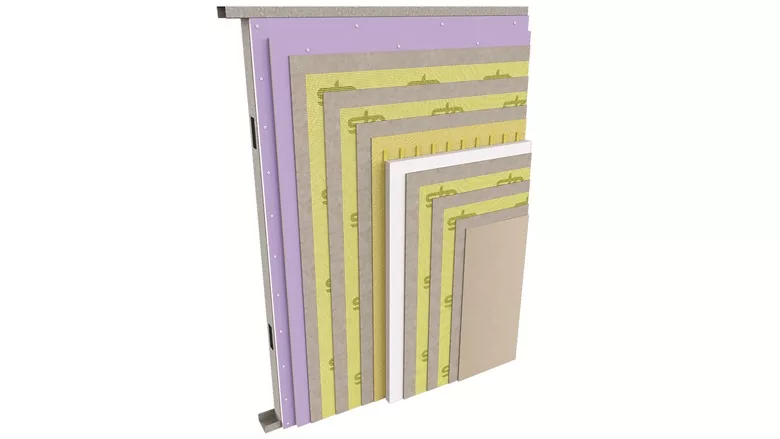
Sto Corp. has enhanced its High Velocity Hurricane Zone (HVHZ) wall assemblies with a Level E impact-rated system, expanding options for projects exposed to extreme wind events, wind-borne debris, and multi-hazard conditions.
Level E impact-rated assemblies are intended for applications requiring protection beyond large missile classifications. These systems are typically specified for essential facilities and are engineered to deliver impact resistance, water control, and assembly-level performance within a fully tested, code-compliant exterior wall system.
For contractors, the update adds another performance tier within Sto’s HVHZ portfolio—particularly relevant for healthcare, emergency response, and other mission-critical buildings that must maintain operation during and after storm events. The added impact resistance may influence substrate selection, fastening schedules, and integration with air/water-resistive barrier components, depending on the assembly configuration.
Sto’s HVHZ systems are engineered and tested to meet Florida Building Code requirements. Assemblies may carry Miami-Dade County Notice of Acceptance and/or Florida Statewide Product Approval, depending on configuration. Testing evaluates wind load resistance, impact performance, air leakage, and water penetration at the assembly level—key considerations for envelope continuity and long-term durability.
Although designed for HVHZ jurisdictions, these systems are also positioned for other severe weather exposures, including tornado-force winds, hail, and wind-driven rain. For interior finishes contractors coordinating with exterior envelope scopes, improved water management and air control can reduce risk of moisture intrusion affecting gypsum board assemblies and interior finishes.
The expanded portfolio includes rainscreen, exterior insulation and finish system (EIFS), and stucco assemblies, with both field-applied and prefabricated options. This range allows adaptation to different sequencing strategies, labor availability, and project delivery methods. Prefabricated panels, where used, may support tighter quality control and faster enclosure timelines.
Sto indicates that assemblies are compatible with multiple substrates, including steel framing, wood framing, and concrete masonry units (CMU). As with any impact-rated system, installers should verify fastening patterns, sheathing requirements, and transition detailing to maintain compliance with tested assemblies and approvals.
The addition of Level E impact-rated assemblies reflects continued demand for higher-performing envelope systems in storm-prone regions, where code minimums may not fully address operational continuity requirements for critical facilities.
For more information, visit stocorp.com/sto-high-velocity-hurricane-zone-hvhz-systems.
Looking for a reprint of this article?
From high-res PDFs to custom plaques, order your copy today!





