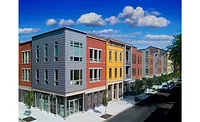
Aligning Performance, Speed and Design with Metal Panels
How insulated metal panels support construction’s core priorities for 2026.

As the commercial construction industry settles into a new year of projects and planning cycles, it is less focused on bold predictions and more concerned with practical execution. Developers, architects and contractors are navigating persistent labor constraints, evolving energy codes, client-driven carbon targets and heightened expectations around cost certainty. The overarching priorities are clear: build faster, perform better, reduce carbon impact and deliver long-term value without inflating budgets.
One trend cutting across sectors, from advanced manufacturing and logistics to health care and education, is a shift toward more integrated building envelope systems. Among them, insulated metal panels are increasingly being specified as strategic tools to help projects meet today’s performance and delivery demands.
The Push for Predictability in Uncertain Conditions
Fluctuations in material pricing and continued workforce shortages have reshaped how projects are planned. Owners are demanding clearer cost forecasting and shorter schedules, while contractors are looking to limit onsite complexity and reduce risk. Every additional trade and assembly layer introduces coordination challenges that can lead to delays and rework.
This environment is driving renewed scrutiny of the building envelope. Traditionally, exterior walls are constructed using multi-component systems, structural backup, insulation, air and vapor barriers, cladding, often installed by different crews in sequence. These assemblies can be time-intensive and highly dependent on favorable weather conditions and precise coordination.
IMPs consolidate multiple control layers (air, water, vapor and thermal) into a single component system. Because panels are prefabricated and arrive on-site ready for installation, they can reduce the number of trades required and compress installation timelines. For contractors facing limited labor availability, fewer installation steps and reduced field assembly can translate directly into schedule reliability.
Additionally, factory-controlled manufacturing conditions improve consistency. In an era where owners are uncertain of performance outcomes, repeatability and quality control have become as valuable as speed.

Photo: Kingspan Insulated Panels
Speed Without Sacrificing Performance
Specialized facilities, such as cold storage, data centers, advanced manufacturing facilities and distribution centers, continue to expand nationwide. These projects often require rapid delivery and strict control of indoor environmental conditions. In such applications, the building envelope is not simply an aesthetic component but a critical performance driver.
IMPs have long been used in temperature-controlled environments because of their thermal reliability and tight joints. However, their role is expanding into broader commercial and institutional sectors where speed of construction is equally critical.
Shorter installation windows can reduce exposure to weather delays, especially in regions with unpredictable seasonal conditions. Because panels can enclose a structure quickly, interior trades can begin work sooner, accelerating overall project timelines. For developers operating on compressed financing schedules or aiming to bring facilities online quickly, time savings can significantly affect project economics.
IMPs also provide long-lasting durability. Metal facings provide resilience against impact, moisture and UV exposure, contributing to long service life and lower maintenance requirements. In lifecycle cost analyses, durability and reduced maintenance can offset higher upfront material costs.
Rethinking Carbon: Operational and Embodied
Sustainability is no longer a marketing differentiator; it is an industry standard. Increasingly stringent energy codes, corporate decarbonization commitments, and investor pressure are reshaping material selection criteria.
Historically, operational carbon (also known as energy used during a building’s lifecycle) has dominated conversations. Today, embodied carbon—emissions associated with material production and construction—is gaining equal attention. Designers are being asked to consider not just how a building performs over time, but the upfront carbon cost of getting it built.
High-performance envelopes play a central role in addressing both concerns. IMPs provide continuous insulation and strong thermal performance, helping buildings achieve tighter envelopes and higher thermal efficiency. Reduced thermal bridging and integrated air sealing contribute to more predictable outcomes, which support compliance with modern energy codes and voluntary certification programs.
On the embodied carbon side, comparisons between wall systems are becoming more nuanced. Some IMPs can deliver up to 28 percent lower embodied carbon than traditional concrete wall assemblies, particularly when factoring in reduced material layers and associated transportation impacts. As lifecycle assessments become more commonplace in specification processes, data transparency and third-party environmental product declarations are influencing decisions more than ever before.
For project teams balancing aggressive climate targets, envelope systems that address both operational efficiency and embodied impact in one solution are increasingly attracting builders.
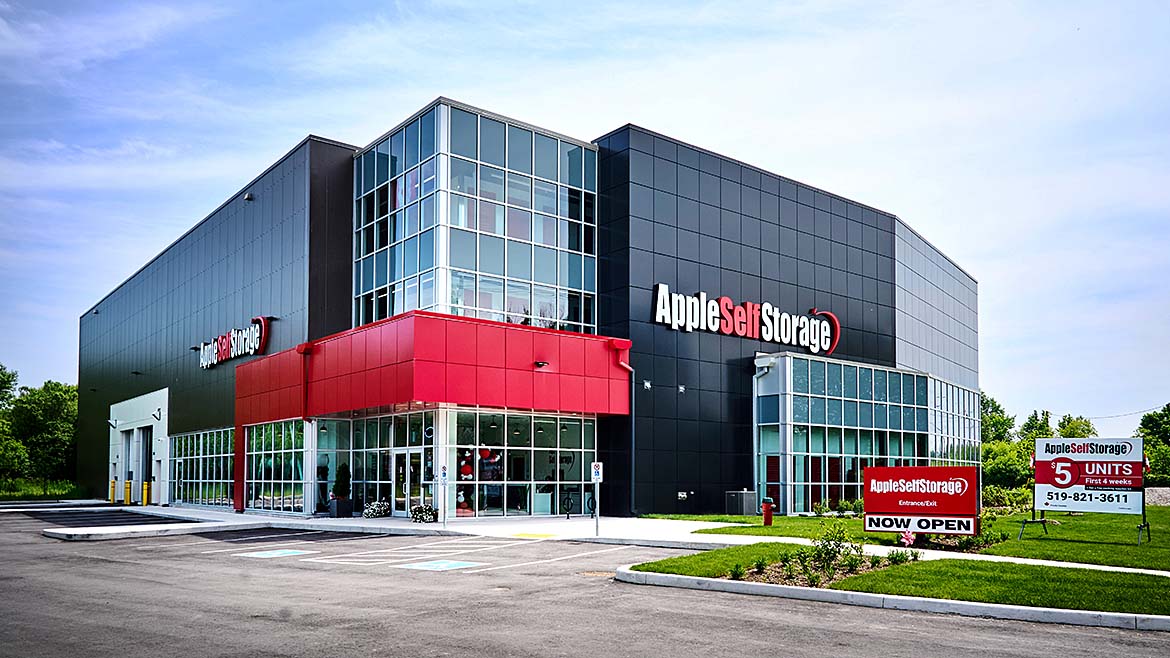
Photo: Kingspan Insulated Panels
Design Flexibility in Performance-Driven Buildings
Another notable shift in recent years is the expectation that high-performance buildings also contribute visual value to their surroundings. Industrial and commercial facilities are no longer purely utilitarian; they often serve as visible representations of a company’s brand and goals.
Architects are responding with more expressive facades, even in sectors once dominated by purely functional design. IMPs, available in a range of profiles, finishes and colors, provide aesthetic flexibility while maintaining performance integrity. Panels can be installed vertically or horizontally, combined with glazing systems or integrated with other facade materials to create layered visual effects.
This design adaptability is particularly relevant in urban and mixed-use developments, where projects must align with community standards and zoning requirements. A system that allows architects to meet both performance metrics and visual goals simplifies material selection discussions and reduces the need for compromise.
One example is the Apple Self Storage facility in Guelph, Ontario, where the design needed to meet local architectural standards while presenting a modern, welcoming appearance in a growing, environmentally conscious community. The 17,850-square-foot building features high-profile IMPs with a Driftwood finish, creating depth and visual interest across the facade. The result is a contemporary exterior that complements the surrounding area while delivering the performance required for a high-efficiency facility.
Digital Integration
Technology is also influencing how building envelope decisions are made. Building information modeling, digital product libraries and performance databases allow design teams to evaluate thermal values, structural capabilities and environmental impacts early in the planning process.
IMPs benefit from this shift toward data-driven design. With defined performance characteristics and standardized panel dimensions, they integrate efficiently into digital workflows. Early coordination between manufacturers, architects and contractors can reduce detailing conflicts and improve constructability.
As projects grow more complex and multidisciplinary collaboration becomes the norm, materials that offer clarity and predictable performance data gain an advantage. The ability to model envelope performance accurately supports better decision-making and reduces costly late-stage changes.

Photo: Kingspan Insulated Panels
Balancing Cost with Long-Term Value
Cost control remains one of the industry’s most pressing challenges. Rising interest rates and tighter capital markets are prompting owners to scrutinize initial expenditures more closely. In this climate, material selection often comes down to perceived first cost.
However, a growing number of owners are adopting lifecycle cost perspectives. When installation labor, schedule compression, and maintenance are considered together, integrated envelope systems can present competitive value propositions.
For contractors, reduced coordination among trades can also lower costs related to supervision and scheduling. Fewer materials delivered to the jobsite can simplify logistics and minimize waste. These incremental efficiencies add up, especially on large-scale projects.
Ultimately, the conversation is shifting from “What does this material cost?” to “What does this system enable?” If a building can be delivered weeks earlier, operate more efficiently and require less maintenance over decades of use, those advantages resonate with stakeholders focused on long-term returns.
A Practical Path Forward
The construction industry’s core goals this year are not new. What has changed is the ability to be achieved simultaneously. Rather than relying on incremental adjustments to traditional assemblies, many project teams are reevaluating foundational systems such as the building envelope.
As 2026 continues, success will depend less on bold experimentation and more on thoughtful alignment between materials, methods, and measurable outcomes. Building envelope solutions like IMPs that combine thermal efficiency, durability, installation speed, and design flexibility are likely to remain pivotal to the conversation, supporting an industry that can responsibly deliver more with fewer resources.Looking for a reprint of this article?
From high-res PDFs to custom plaques, order your copy today!