Virginia Tech Tests Wool as Green Insulation
Researchers study whether sheep's wool can rival fiberglass as sustainable insulation.
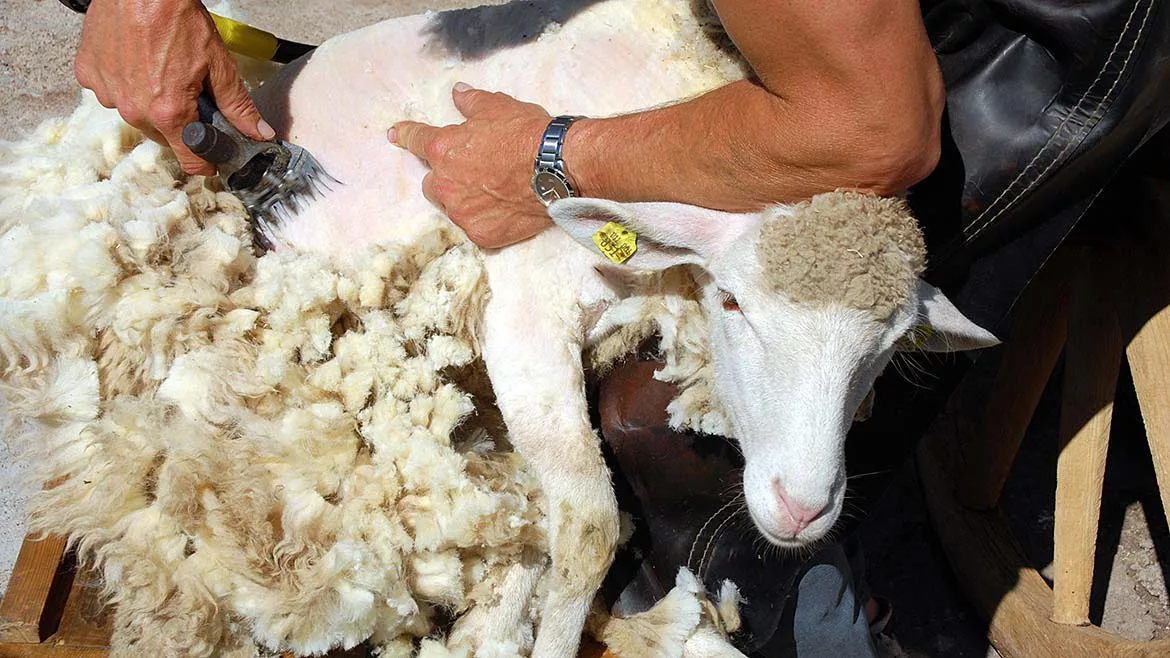
A new research project at Virginia Tech is examining whether sheep’s wool could become a viable, environmentally friendly alternative to traditional fiberglass insulation in residential and commercial buildings.
Supported by funding from Sustainable Agriculture Research and Education, the study is evaluating wool sourced from local Virginia sheep farms to determine if it can match the thermal performance of fiberglass while offering additional sustainability and health benefits. The project also seeks to create new market opportunities for sheep farmers whose wool often has limited commercial value, according to a report by Lee Friesland for Virginia Tech News.
Researchers are investigating both the technical and economic feasibility of wool insulation. The study will assess available wool resources in Virginia, examine processing and manufacturing requirements, and gauge interest among builders and construction professionals. The goal is to determine whether a regional wool-insulation industry could be developed using locally sourced materials.
Interest in wool insulation has grown in recent years as the construction industry looks for ways to reduce its environmental footprint. Unlike fiberglass and many foam-based insulation products, wool is a renewable, biodegradable material. Previous research has shown that sheep’s wool offers favorable thermal performance and may provide additional benefits, including moisture regulation, sound absorption, and improved indoor air quality.
Virginia Tech researchers believe the project could help address challenges facing local sheep producers. Wool is often considered a low-value byproduct, and in some cases the cost of shearing can exceed the value farmers receive for the fiber. By identifying new uses for wool, the study could help create additional revenue streams for agricultural producers while supporting more sustainable building practices.
The research team is also exploring whether local collection and processing systems could support a regional supply chain for wool-based building products. Such a system could connect farmers, processors, architects, builders, and consumers interested in environmentally responsible construction materials.
While the project is still underway and no final performance results have been announced, researchers say the effort represents an important step toward evaluating natural, locally sourced alternatives to conventional insulation materials. If successful, sheep’s wool could offer a new market for farmers while helping builders meet growing demand for sustainable construction products.
Looking for a reprint of this article?
From high-res PDFs to custom plaques, order your copy today!