The Plasterer’s Bible
A Century Later, This Classic Still Defines the Craft of Plastering
Long before digital training, generations of plasterers learned from a book that still earns a place on the shelf today.
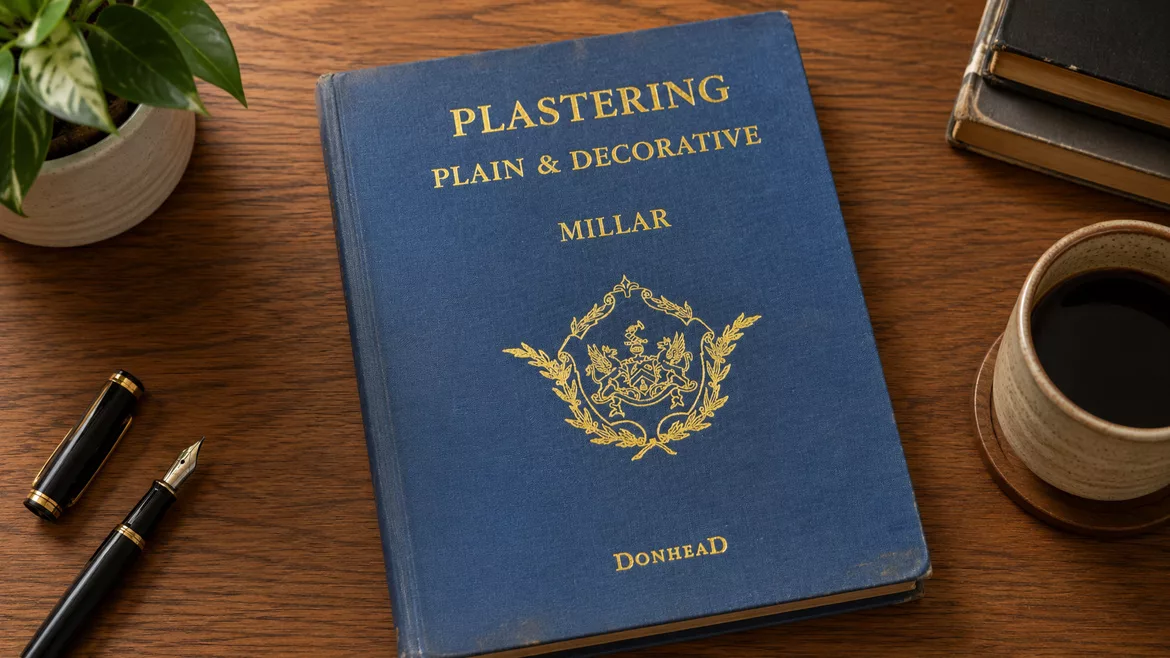
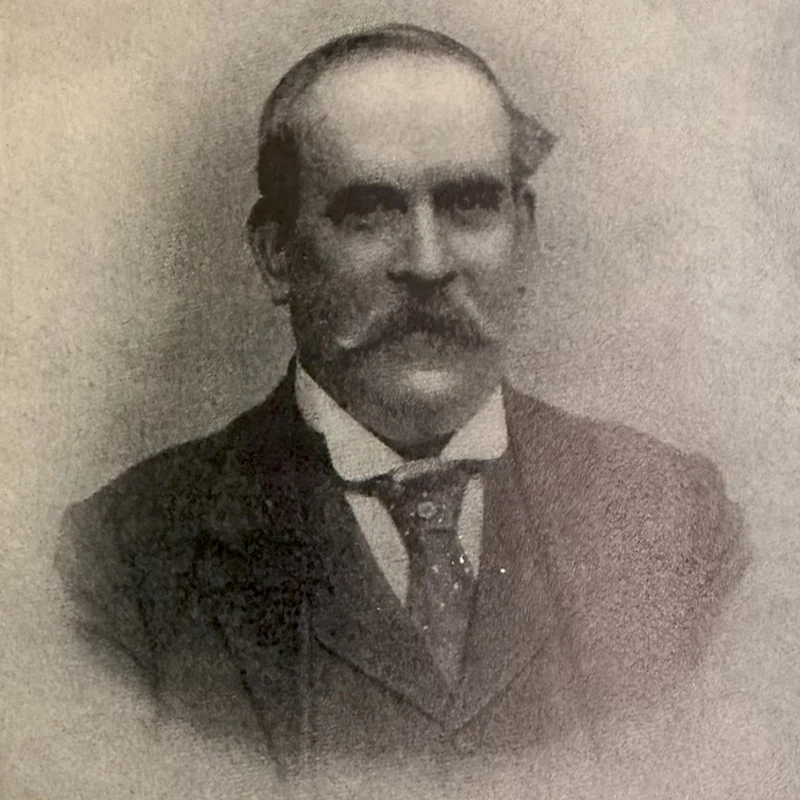
Photo: William Millar’s Plastering, Plain and Decorative
Few books have earned the respect and longevity within the plastering trade quite like William Millar’s Plastering, Plain and Decorative. First published in the early 20th century, the text remains one of the most comprehensive references ever written on the art, science and craftsmanship of plaster. For generations of plasterers, the book has served as both a technical manual and a historical record of a trade that helped shape America's most enduring buildings.
Among those who carry the hawk and trowel, Millar’s work is often referred to as the “Bible of plastering.” Its pages document everything from traditional lime plasters and ornamental work to mixing methods, application techniques and the materials that defined the craft for centuries. Long before online training videos, industry forums and digital specifications, plasterers learned from mentors, jobsite experience and trusted resources like Millar’s landmark publication.
Today, even as drywall and modern gypsum-based systems dominate much of the construction landscape, Millar’s book remains relevant. Restoration specialists, preservation craftsmen and union apprentices alike continue to study its lessons to better understand the techniques used in historic buildings across America. The book stands as a testament to the skill, pride and artistry of plasterers whose work has endured for generations, reminding the industry that while materials may evolve, true craftsmanship never goes out of style.
Looking for a reprint of this article?
From high-res PDFs to custom plaques, order your copy today!





