The Rise and Fall of the EIFS House

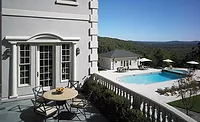
By the mid-1980s, EIFS was commonly found in most mid- to upper-priced residential developments throughout the country.
But the business rebounded in 1992 and the EIFS residential business continued to grow—that is until it ran into the perfect storm.
But the business rebounded in 1992 and the EIFS residential business continued to grow—that is until it ran into the perfect storm.
By the mid-1980s, EIFS was commonly found in most mid- to upper-priced residential developments throughout the country. But that would all change by the end of the century. It may surprise you to know that at one time, 30 percent of the EIFS business was in the residential market. Today, the EIFS market segment is less than 5 percent for residential construction.
So, what happened? Well, in this second in a series of articles about EIFS (see first article, W&C, August 2018). In this article, we will review the rise and the fall of the EIFS residential business.
By the end of the ’70s, the entrepreneurial business venture begun by Dryvit’s Frank Morcilli had become an industry. The EIFS industry was growing as other manufacturers, distributors and applicators got into the business. The boom of EIFS in the residential market also continued to grow throughout the 1980s. More and more applicators were getting into the residential game as the demand increased.
EIFS houses were popping up across the country—a concept which started in Atlanta had spread to many other cities and states. EIFS houses could be found in the suburban areas of the big cities, gradually moving into midsize cities. The coastal areas of Georgia, South and North Carolina, Virginia, and the panhandle of Florida were just a few of the areas where EIFS houses were in high demand because of the style options available.
At the end of the ’80s, the EIFS housing market was thriving. If we consider that the business began in 1975 in the U.S., the market had been going strong for 15 years and there was no end in sight. The unlimited design options were clearly the driving force. Future homeowners loved the look of the EIFS houses. The recession of 1990 was the only thing that slowed down the business as the EIFS industry’s sales dropped for the first time in 1991. But the business rebounded in 1992 and the EIFS residential business continued to grow—that is until it ran into the perfect storm.
The Perfect Storm
By 1995, the EIFS industry had been around for 25 years. The EIFS housing business had been growing strong for 20 years. Then the summer hurricane season began and two storms dumped large amounts of rain on the Carolina coast. The city of Wilmington, N.C., was near the center point of both storms. In September, after the storms subsided, Wilmington’s city building department began to get calls about water related damage in houses.
The building department investigated some of these complaints and quickly concluded that most of the complaints originated from EIFS clad houses. Their conclusion was that it must be an EIFS phenomenon. Incidental moisture had gotten behind the EIFS cladding through leaky windows, doors, and roofs. This moisture got trapped and couldn’t escape, leading to the deterioration of the OSB. While the focus was on EIFS-clad houses, it would soon be learned that the water intrusion problem occurred in all houses regardless of the cladding. But EIFS houses were still the focal point.
Before the EIFS industry knew what had happened, the news media was reporting building defects in these EIFS houses. This caused panic in and around the Wilmington area. From there the panic spread to other parts of the country.
By the end of 1995, the EIFS water intrusion crisis had spread across the country. The media and the lawyers had a field day as multiple lawsuits were filed against the builders, the applicators, and the manufacturers. Even the CBS news show 60 Minutes had a feature on the issue. The good news was despite the negative attention that EIFS was getting, the problems were confined to residential construction.
So, you may ask, why only residential? Well, as stated previously, it was the perfect storm. The two hurricanes hit the Wilmington area within weeks of each other. The town had become somewhat of a boom town for retirees and vacation homes. As a result, the homebuilding market was growing at an unprecedented rate. This caused a shortage of skilled workers. The speed of construction and the lack of trained tradesmen led to poor construction practices. The results were windows leaked, flashing was omitted, and caulking was not used. Even the North Carolina building codes played a part in the problem, in that it required vapor barriers which helped trap moisture in the walls.
EIFS Insurance
Over the next several years, the EIFS industry spent more time with lawyers than on promoting EIFS in the market-
place. As claims were brought against EIFS houses, insurance companies were called on to pay for the damage. This led to resistance by insurance companies to write EIFS insurance policies for houses. This action ultimately drove to EIFS exclusion language being introduced into General Liability policies in the early 2000s. EIFS insurance became hard to find and, if it was available, it was at a premium price. Without the ability to insure, along with all the bad press that EIFS had gotten in the residential market, the EIFS housing business was lost.
Building Techniques Improve
The industry knew that if it was to preserve the overall business it needed to respond to the objections that were raised during the water intrusion era. The EIFS industry took it upon itself to re-engineer the systems. So, EIFS R&D and engineering teams designed products and systems to overcome the concerns that rose from the water intrusion issues.
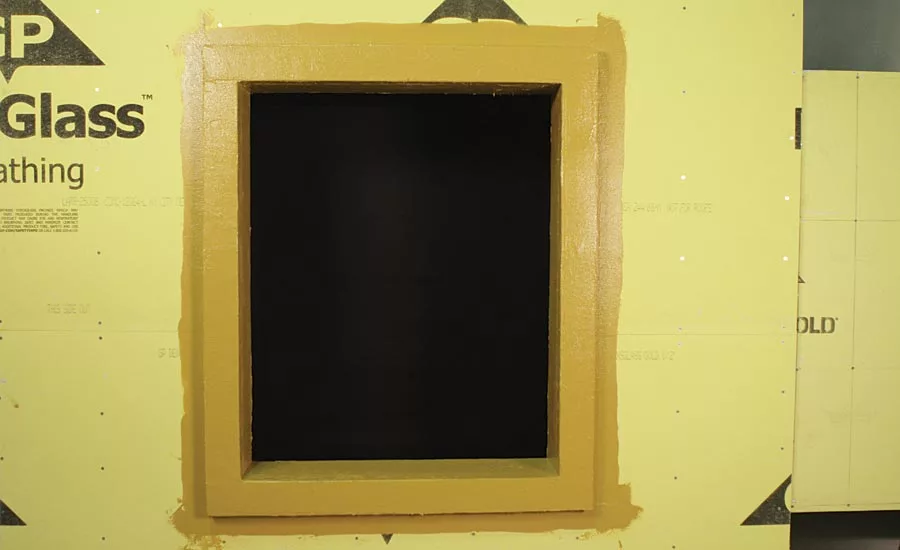
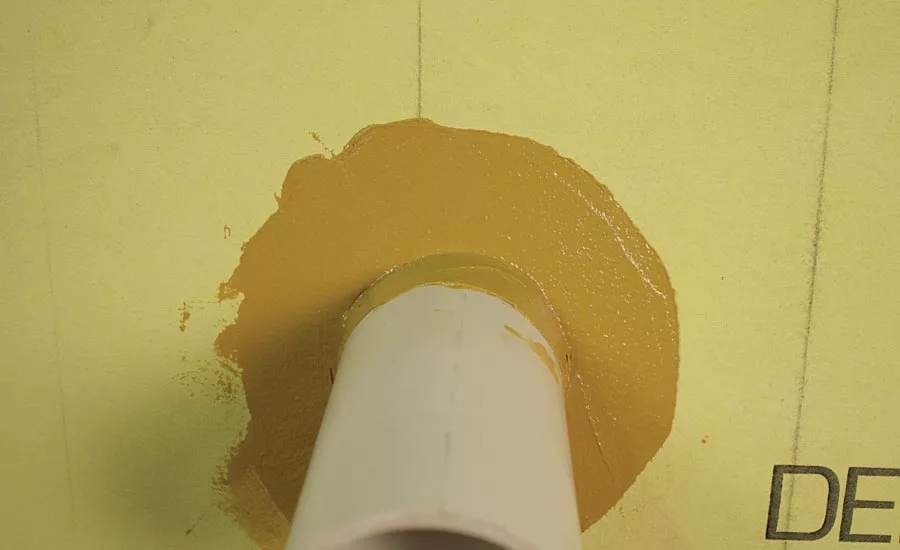
The EIFS industry addressed all the issues that arose from the water intrusion issue. It introduced EIFS drainage systems which would allow for any incidental water that entered behind the system to drain. Liquid applied WRBs were designed to provide added protection to the substrates. The product also proved to be an excellent air barrier improving the energy efficiency of a structure.
Building techniques improved as the EIFS industry pushed awareness of proper construction design and detailing, such as the use of proper flashings at roof/wall intersections and deck attachments. Rough openings for windows and doors were wrapped with some form of a WRB. This helped if the windows leaked. Better education programs were introduced, such as the “EIFS—Doing it Right” program. Also, the industry pushed hard to ensure that there was plenty of information available about the proper way to build with EIFS and other cladding materials.
So, the EIFS water intrusion issue actually led to improved building practices for all construction. Whether the structure used brick, stucco, metal, or hardboard siding, WRBs could be used to protect the substrates. The practices of wrapping rough openings and of improved flashing details have become common practices for all types of residential construction.
EIFS Rebounds
Despite the water intrusion issues that occurred in the fall of 1995, EIFS industry sales (including commercial and residential sales) peaked in 1996. However, the overall business continued to drop until 2002. Then the business began to rebound even with the loss of the majority of the residential business. The EIFS market grew and hit an all-time high in sales in 2006. This exceeded the 1996 peak by almost 40 percent. This without a doubt showed the resiliency of EIFS to rebound from the loss of the residential business. Just think where the industry would have gone if the residential market share could have been retained?
Unfortunately, by the end of the century the once unstoppable EIFS housing business was virtually gone. The EIFS industry had lost almost 30 percent of its business with the loss of the residential market. The EIFS residential water intrusion stigma would be with the industry for years to come. But if we can learn from the past, the EIFS industry should be able to achieve a foothold again in the residential market.
The Key Takeaways
- The EIFS housing business was strong for 20 years.
- The Perfect Storm along with poor workmanship proved to stop the EIFS housing boom.
- The industry re-engineered the systems to overcome the concerns raised during the water intrusion era.
- Insurance companies introduced EIFS exclusions in their GL policies.
- New technologies and building practices introduced by the EIFS industry have been adopted by other residential claddings.
Next time, we will look at EIFS coming back in the residential market.
Looking for a reprint of this article?
From high-res PDFs to custom plaques, order your copy today!