Wool Insulation and the Rise of Eco-Friendly Building Materials
The demand for sustainable building materials has grown significantly, driven by energy efficiency, and the need for healthier living spaces
.webp?t=1744831985)
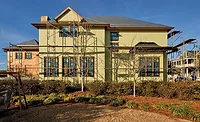
Image courtesy of Havelock Wool
The demand for sustainable and eco-friendly building materials has grown significantly in recent years, driven by increased awareness of environmental issues, energy efficiency, and the need for healthier living spaces. With architects, builders, and homeowners seeking alternatives to conventional materials, natural wool insulation has emerged as a strong candidate that aligns with these priorities. With its increased thermal performance, moisture regulation, and air purification properties, wool insulation represents a critical step toward greener building methods.
The Growing Market for Eco-Friendly Building Materials
The global push toward sustainability has led to greater examination of building materials, not just for their immediate functionality but also for their lifecycle impact. Traditional insulation materials, such as fiberglass and foam, often contain synthetic chemicals and require significant energy to produce. These materials may also contribute to indoor air pollution and create disposal challenges at the end of their lifespan. In contrast, eco-friendly alternatives such as wool insulation offer a renewable, biodegradable, and non-toxic option that minimizes environmental impact.
Wool Insulation: A Natural Fit for Sustainability
Wool insulation stands out in the eco-friendly building materials market due to its unique natural properties. Sourced primarily from sheep’s wool, this insulation option is both renewable and biodegradable. Unlike synthetic insulation, wool does not rely on petrochemicals, reducing its carbon footprint and making it a responsible choice for sustainable construction.
One of wool’s key advantages is its ability to regulate moisture. Unlike many other insulation materials that degrade when exposed to humidity, wool can absorb and release moisture without compromising its thermal performance. This property helps prevent condensation buildup, reducing the risk of mold growth and structural damage within buildings.
Additionally, wool has natural air-purifying capabilities. It can absorb indoor air pollutants such as formaldehyde, nitrogen oxides, and volatile organic compounds (VOCs), which are commonly emitted by furniture, paints, and synthetic building materials. By improving indoor air quality, wool insulation contributes to a healthier living and working environment.
Enhancing Energy Efficiency with Wool Insulation
Energy efficiency is a primary concern in modern construction, and wool insulation plays a vital role in reducing energy consumption. The thermal performance of wool is, in most cases, superior to traditional insulation materials. Its natural crimped fibers create tiny air pockets that trap heat, providing excellent insulation against both cold and heat. This characteristic helps maintain consistent indoor temperatures, reducing reliance on heating and cooling systems and lowering energy costs over time.
Wool insulation also has a high R-value, a measure of its resistance to heat transfer. This translates to better temperature regulation in homes and commercial buildings, making them more energy-efficient. Given that heating and cooling account for a significant portion of a building’s energy use, integrating high-performance insulation like wool can lead to substantial energy savings and reduced carbon emissions.
Healthier Indoor Environments with Wool Insulation
Beyond its environmental and energy efficiency advantages, wool insulation contributes to a healthier indoor environment. Wool is naturally non-toxic and hypoallergenic. It does not release harmful fibers or VOCs, making it an excellent choice for those with asthma, allergies, or chemical sensitivities. Additionally, wool's ability to regulate humidity can help create a more comfortable indoor climate by preventing excessive dryness or dampness.
Wool is also naturally fire-resistant, thanks to its high nitrogen and water content. It does not require chemical flame retardants, which are often found in synthetic insulation materials and have been linked to health risks. This built-in safety feature adds another layer of protection for homeowners and commercial property occupants.
Looking Ahead: The Future of Wool Insulation
As the construction industry continues to prioritize sustainability and healthier building materials, wool insulation is well-positioned to play a key role in the transition to greener buildings. Advances in processing and manufacturing are making wool insulation more accessible, and its long-term benefits make it a great choice for both new construction and older projects.
As awareness of the environmental and health impacts of building materials grows, homeowners, builders, and architects will likely continue to seek out natural, renewable alternatives like wool. With its ability to improve energy efficiency, enhance indoor air quality, and support sustainable construction, wool insulation represents a practical and effective solution for the future of eco-friendly building.
In the years ahead, the industry will benefit from continued research, innovation, and advocacy to promote the adoption of natural insulation materials. As more consumers recognize the advantages of wool insulation, its role in sustainable building practices will only become more significant, helping create healthier, more energy-efficient homes and workplaces for generations to come.
Looking for a reprint of this article?
From high-res PDFs to custom plaques, order your copy today!