Outdated Engineering Standards Are Putting Lives at Risk Behind Retaining Walls
Aging retaining walls are under growing pressure from extreme weather, exposing hidden flaws and driving the need for proactive inspections, modern standards, and resilience-focused maintenance.
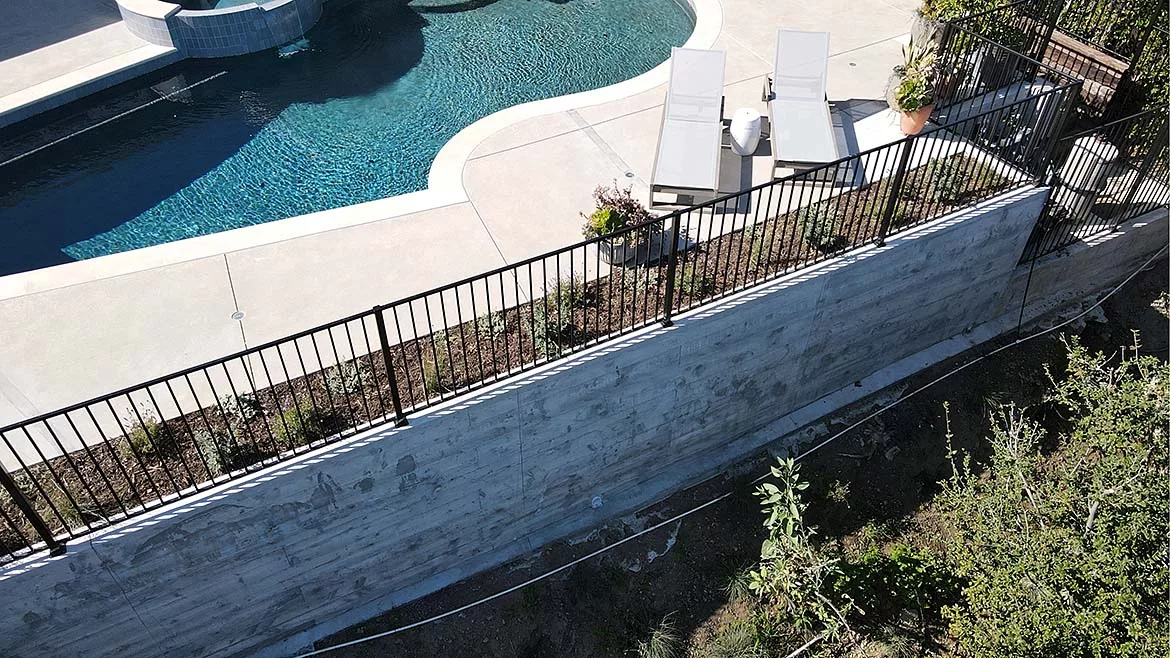
Across the built environment, a quiet crisis is unfolding beneath the surface of our commercial, residential, and industrial properties. Aging infrastructure is being pushed beyond its original design limits as storm intensity rises, and rainfall patterns grow more volatile. At risk are the thousands of retaining walls that support hillsides, residential homes, parking structures, and building foundations. These critical structures, many built decades ago, are facing a dangerous combination of outdated engineering standards and unprecedented hydrological stress. Extreme storms don’t create structural weaknesses—they reveal hidden deficiencies that have persisted for years.
According to the NOAA National Centers for Environmental Information, from 1980-2024, the U.S. experienced 403 weather and climate disasters, each causing damages exceeding $1 billion. The total cost of these events surpasses $2.915 trillion. For property owners and industry stakeholders, this data underscores the urgency of addressing infrastructure vulnerabilities. The time to shift from reactive repairs to proactive assessments and preventative resilience is rapidly narrowing.
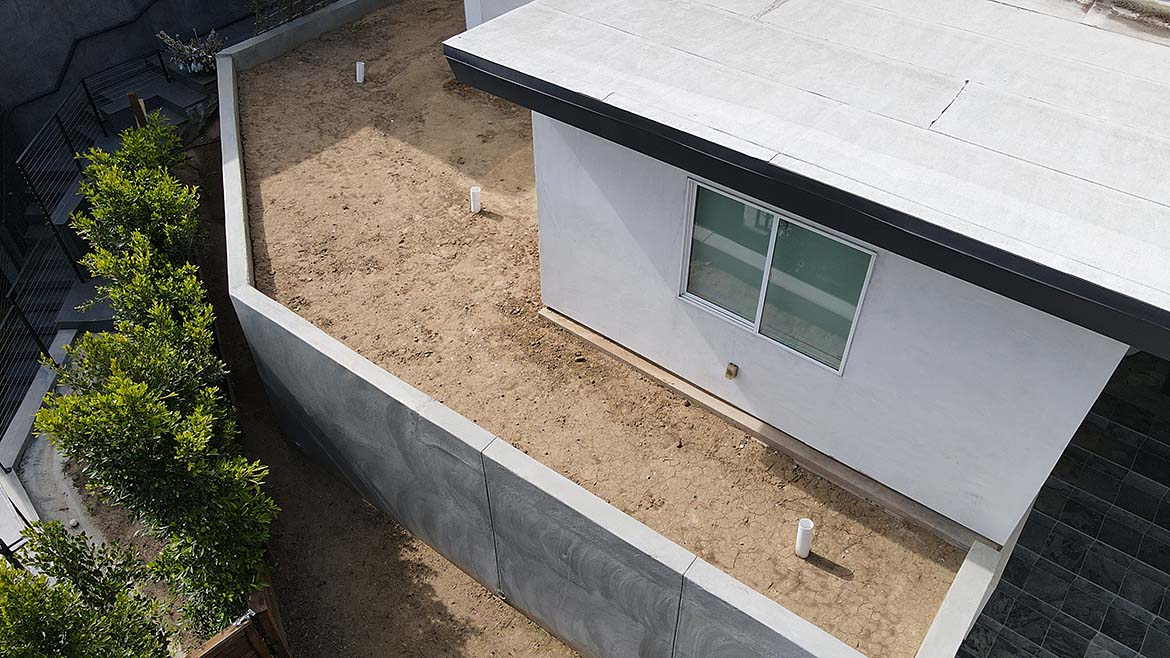
Photo: Alpha Structural
The Silent Threat of Outdated Building and Grading Codes
To understand the scope of the risk, we must look at the history of our built environment. A significant portion of existing infrastructure was constructed 30 to 50 years ago, adhering to the geotechnical and grading codes of that era. However, engineering standards are not static; they evolve as our understanding of soil mechanics and seismic activity deepens. Consequently, the design protocols used decades ago often lack rigorous drainage and structural requirements mandated by modern codes. Systems that are now compulsory—such as robust subterranean drainage to relieve hydrostatic pressure—were not always implemented in earlier designs.
This generational gap in engineering creates a perilous situation when subjected to modern weather events. When major storms occur, they introduce uncontrolled water into the soil, causing groundwater tables to rise and subterranean conditions to become fully saturated. This saturation exerts immense hydrostatic pressure on retaining walls that were simply not designed to withstand such forces. In many older walls, the drainage systems are either nonexistent, undersized, or compromised by age.
The consequences of this pressure accumulation are severe and multifaceted. While the specific failure mode depends on site geology and the foundation type, the trajectory of deterioration is often predictable. It begins with increased wall movement and water intrusion. In subterranean areas of high-rise developments or single-family homes, this manifests as a seepage that renders valuable square footage unusable. Over time, moisture ingress leads to the corrosion of internal steel reinforcement, structurally compromising the wall from the inside out. By the time visible warning signs appear—such as deep cracking, significant bulging, or leaning—the structure may already be nearing a critical failure point. These are not merely cosmetic issues; they are precursors to potential failure, and sometimes even catastrophic collapse.
Prioritizing Resilience Over Reaction
The prevailing approach to retaining wall maintenance has historically been one of benign neglect. Because these structures appear static and are often concealed below grade or behind landscaping, they are frequently excluded from routine building maintenance programs. Property owners and facility managers often operate under the “out of sight, out of mind” philosophy until a catastrophic failure forces their hand.
However, the financial and safety implications of this reactive posture are unsustainable.
The strategic opportunity for the industry lies in adopting a holistic, prevention-first strategy. Forward-thinking structural management recognizes that retaining walls are dynamic systems that interact constantly with soil and water. By shifting focus toward early detection and diagnosis, stakeholders can mitigate risks before they escalate into emergency scenarios involving life-safety hazards and exorbitant repair costs. This requires a new standard of care that integrates structural evaluation into the lifecycle management of a property.
Institutionalizing Pre- and Post-Storm Inspections
The most effective defense against structural failure is a rigorous inspection regimen anchored around weather or flooding (even plumbing–related) water events. Before the onset of the storm season, property owners should commission visual inspections to establish a baseline of the wall’s condition. Following significant rainfall or heavy winter weather, a comparative evaluation is essential. This before-and-after methodology allows engineers to identify changes in performance, such as new deflection or shifts in alignment, which indicate that the wall is struggling to manage the increased load.
Leveraging Advanced Diagnostic Technology
Visual indicators such as efflorescence—a white powdery substance signaling moisture migration—or excessive water seepage are clear red flags. However, dangerous conditions often develop without immediate surface symptoms. To address this, the industry is increasingly utilizing forensic tools like thermography, concrete delamination testing, or monument instrumentation to gauge active movement. These technologies/procedures can detect temperature differentials caused by moisture buildup behind a concrete face or acoustic weaknesses, revealing hidden drainage or concrete failures before they manifest as physical cracks, and finally, measuring active movement or failure. Implementing such diagnostic measures allows for targeted interventions rather than blind repairs.
Integrating Structural Review into General Renovations
A critical yet often missed opportunity for assessment occurs during general property improvements. Whether a project involves tenant improvements, parking garage restriping, or landscape renovation, it presents a vital touchpoint for evaluating adjacent retaining walls. Architects, engineers, and contractors must advocate for adding structural checks to the scope of these projects. If a renovation is taking place at a subterranean level or on a hillside, verifying that the retaining wall is plumbing and free of distress should be a standard procedural step, not an afterthought.
A Future Built on Structural Integrity
The trajectory of the construction and real estate industries must move toward long-term resilience. Just as preventative medicine relies on early detection to secure better health outcomes, structural integrity relies on identifying deficiencies before they become disasters. The economics of this shift are clear: addressing a drainage deficiency to relieve hydrostatic pressure is a manageable capital expenditure. Conversely, emergency shoring, litigation, and full wall replacement following a collapse represent a financial catastrophe.
As we face a future defined by more intense environmental challenges, the passivity regarding aging infrastructure must end. Property owners, developers, and industry professionals have a responsibility to look beyond the surface and ensure that the structures supporting our built environment are safe, stable, and compliant with the demands of the modern world. By embracing proactive engineering assessments, we do more than protect assets; we ensure the continued safety and reliability of the communities we build.
Looking for a reprint of this article?
From high-res PDFs to custom plaques, order your copy today!





