Many argue that the current pace of data center construction is not sustainable, but the question is: when will this slow or end? And how will data center construction change over the next few months and years?
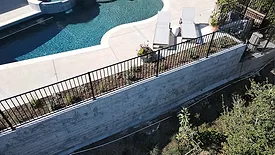
Aging retaining walls are under growing pressure from extreme weather, exposing hidden flaws and driving the need for proactive inspections, modern standards, and resilience-focused maintenance.
As extreme rainfall increases hydrostatic pressure on older retaining walls built to outdated drainage and geotechnical standards, the author argues property owners and project teams should shift to proactive pre- and post-storm inspections and advanced diagnostics to catch hidden distress before it becomes a life-safety failure.
As housing density increases, the construction industry must recognize acoustic comfort not as a luxury upgrade, but as a basic public-health and equity requirement for all residents.
As housing density increases, the construction industry must recognize acoustic comfort not as a luxury upgrade, but as a basic public-health and equity requirement for all residents.
The construction industry will need to attract hundreds of thousands of new workers—349,000 in 2026 and 456,000 in 2027—largely to offset retirements and meet renewed spending growth, or risk worsening labor shortages that could drive up costs and slow critical infrastructure projects.
The construction industry will need to attract hundreds of thousands of new workers largely to offset retirements and meet renewed spending growth, or risk worsening labor shortages that could drive up costs and slow critical infrastructure projects.
The U.S. construction industry is poised for modest growth in 2026, but entrenched labor shortages, tightening workforce demands, and shifting economic pressures will shape opportunities—and challenges—for contractors across all sectors.
Amrize and Meta have partnered to develop a first-of-its-kind, AI-optimized concrete mix tailored to meet the specific needs of Meta’s data center in Rosemount, Minnesota.
Associated Builders and Contractors issued the following statement on May 13 supporting United for Infrastructure’s 12th annual Infrastructure Week, which is May 13-17.
Labor shortages and productivity challenges threaten to undermine success in building new infrastructure projects, firms eager to embrace technologies to help
According to a report released Sept. 26 by Procore Technologies, Inc. and the Associated General Contractors of America, 78 percent of civil and infrastructure construction firms expect their project backlog to increase or remain the same over the next year as new federal infrastructure funding ramps up.
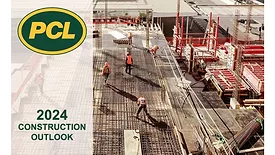
PCL Construction’s president, Deron Brown, forecasts key trends shaping U.S. construction in 2024. Government funding, re-shoring manufacturing and a boost in tourism are converging to create a demand for the construction of megaprojects and landmark builds that exceed $1 billion in budget.