A Lost Art?
Plastering’s Future Still Depends on Its Past
William E. Rogers reflects on an enduring lesson from a 1937 plastering manual, arguing that apprenticeship, craftsmanship and personal responsibility remain the foundation of the trade.
Editor’s Note:
William E. Rogers is a respected longtime advocate for the plastering and masonry trades, serving as former Executive Director of the National Plastering Industries Joint Apprenticeship Trust Fund and retired Vice President of the Operative Plasterers' and Cement Masons’ International Association. Throughout his career, Rogers has championed workforce development, apprenticeship training and industry advancement. He is also a familiar voice to Walls & Ceilings readers, having contributed numerous articles and industry commentaries over the years—most notably through his “Trowel Talk” column—sharing insights on workforce issues, training, safety and the future of the trades.
What makes Rogers particularly fascinating is his deep commitment to the plastering trades and his study of the masters who came before him. His passion for the craft is reflected in his frequent references, often chapter and verse, to the respected manuals and texts that have shaped generations of plasterers. Drawing from these foundational works, Rogers continues to highlight what the masters had to say about the art and science of interior plaster assemblies.
“Plastering never will become a lost art unless it be through the indifference and abuse of those engaged in the various branches of the industry, from the production of the raw materials, their manufacture and distribution, to and including the mixing and application on the job. As the manufacturing and distribution are more easily managed and less influenced by the vagaries of the human element, the greater responsibility rests upon the mechanic using the materials.”

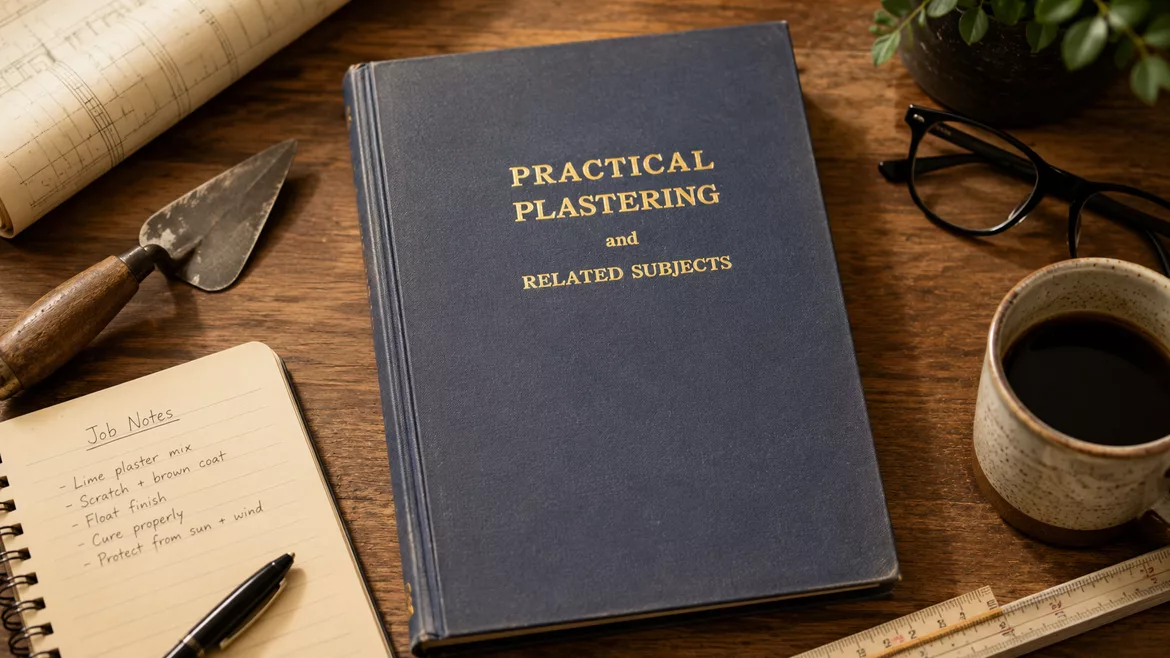
These words, written by Byron Dalton in his 1937 publication Practical Plastering and Related Subjects, ring as true today as at any point in our industry’s history.
At the heart of maintaining the integrity and viability of the products used throughout this industry is training. The concept of apprenticeship has stood the test of time like a solidly built structure. Passing technical knowledge and manual skills from one generation to the next is fundamental to the building trades. Artificial intelligence may shape the future of many professions, but it can never replace the skilled hands, experience and judgment of a well-trained craftsman.
Looking for a reprint of this article?
From high-res PDFs to custom plaques, order your copy today!