If Walls Could Talk
Closing More Jobs with Data, Not Lower Prices
Discover how spray foam contractors win more work through trust, code compliance, and building science.
In this episode of “If Walls Could Talk,” W&C Editor John Wyatt talks with Tom Harris of Tom Harris PUR Consulting.
In today's competitive insulation market, many contractors believe the only way to win work is by lowering their price. According to spray polyurethane foam consultant Tom Harris, that's one of the biggest mistakes a contractor can make.
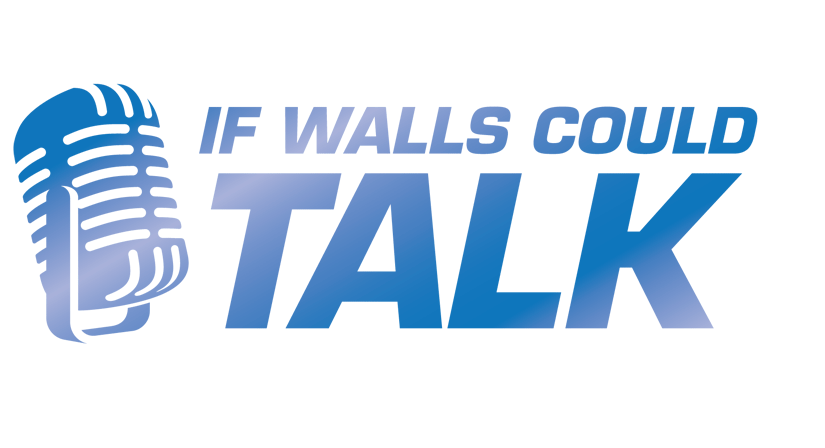
Educate the Client About the Values of SPF
Spray polyurethane foam consultant Tom Harris and Editor John Wyatt discuss how contractors can build trust by educating customers, specifying tested and code-compliant products, and using building science, code references, and third-party data to support their recommendations. Learn practical strategies to stand out from the competition, protect your margins, and close more jobs through credibility and transparency.
On the latest episode of “If Walls Could Talk,” Harris explains why successful insulation contractors have shifted from competing on price to becoming trusted solution providers.
Building on a previous discussion about creating stronger project teams by involving HVAC professionals and code authorities, Harris says credibility remains the contractor's greatest competitive advantage. Contractors who demonstrate expertise and explain the "why" behind their recommendations earn trust—and trust closes jobs.
One of the simplest ways contractors can distinguish themselves is by clearly identifying the specific spray foam product they intend to install. Too many proposals simply specify "closed-cell spray foam insulation," leaving the door open for virtually any product to be installed, including materials that may not meet current code requirements.
Instead, Harris encourages contractors to identify the manufacturer and explain the product's third-party testing, certifications, and code approvals. That level of transparency gives building owners confidence they're receiving a proven insulation system rather than the lowest-cost material available.
Education doesn't stop with product selection.
Harris believes contractors should use objective information—including building code references, required insulation values, and condensation modeling—to explain why their recommended assemblies perform better than lower-priced alternatives.
One example involves converting a vented attic into an unvented attic assembly. While one contractor may leave the existing fibrous insulation on the attic floor to reduce costs, another may recommend removing it. The higher-priced contractor can justify the additional work by presenting third-party building science that explains how leaving the insulation in place can create moisture management issues and reduce the effectiveness of the conditioned attic.
Another common scenario occurs in Climate Zone 5 and colder regions, where contractors often compete using open-cell versus closed-cell spray foam. Harris points out that vapor-permeable insulation systems require additional vapor protection under the building code, an expense that isn't always included in lower-priced proposals.
Rather than criticizing competitors, Harris recommends letting the building code do the talking. Showing homeowners the applicable code language, along with condensation models comparing moisture performance between insulation systems, transforms the sales conversation from opinion into documented fact.
That approach changes the relationship with the customer.
Instead of asking owners to simply believe what they're told, contractors provide independent evidence that supports their recommendations. Building science becomes the salesperson, and transparency becomes the differentiator.
The takeaway is straightforward. Competitive pricing still matters, but winning projects doesn't require sacrificing margins. Contractors who educate customers, document their recommendations with code references and third-party data, and clearly explain the products they're installing build the trust that ultimately leads to more signed contracts.
As Harris concludes, "The contractor that bases their bid on facts, data, and transparency is the one that builds trust. The one that builds trust usually gets the work."
For contractors seeking code assistance or project-specific condensation modeling, Harris invites listeners to visit LetsTalkPUR.com.
Next month's podcast will explore how emerging spray foam equipment technologies can help contractors improve productivity and win even more business.
Looking for a reprint of this article?
From high-res PDFs to custom plaques, order your copy today!