Construction Data
Multifamily Starts Surge, Expanding Pipeline for Interior Contractors
Apartment and condominium construction rebounded sharply in June, but falling permits and persistent cost pressures cloud the longer-term outlook
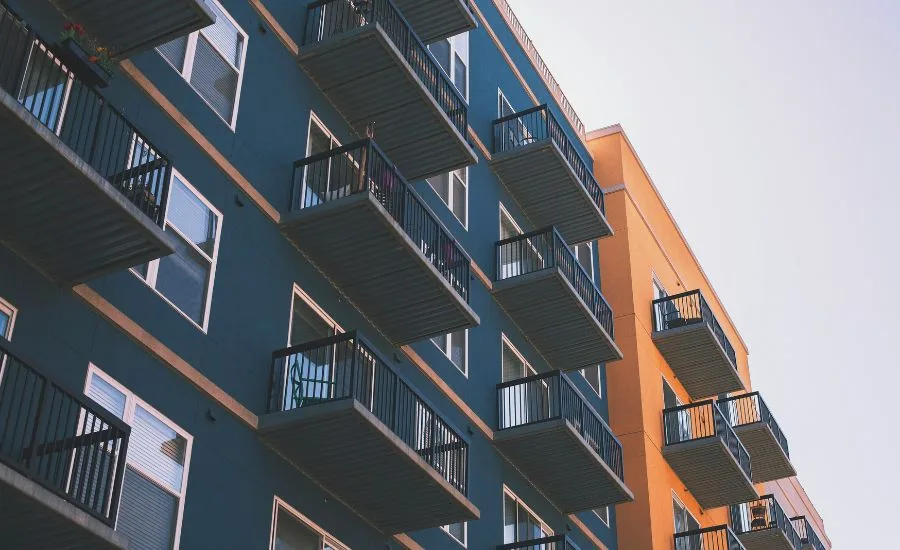
A sharp rebound in multifamily construction could strengthen the future pipeline for wall-and-ceiling contractors, although declining permits and difficult market conditions suggest the June increase should be treated as an opportunity—not yet a sustained trend.
Overall housing starts rose 19% in June to a seasonally adjusted annual rate of approximately 1.43 million units. The increase was driven by multifamily construction, with starts in buildings containing two or more units surging 76.2% from May to an annualized pace of 532,000. Multifamily starts were also 17.2% higher than in June 2025.
Although multifamily construction is counted as residential, apartment and condominium projects generate commercial-scale scopes for drywall, cold-formed steel framing, ceilings, insulation, plaster, stucco, EIFS and fire-rated assemblies.
The June increase therefore represents a potentially important future source of work for specialty contractors. Because starts measure projects beginning construction, however, many of those buildings will not require interior framing and finishes until later in their schedules.
A Large Active Pipeline
The number of multifamily units already under construction remains significant.
NAHB reported approximately 682,000 apartment units under construction at the end of June, exceeding the 582,000 single-family homes underway. The Census data show that the number of units under construction in buildings with five or more units increased slightly from May but remained below its June 2025 level.
For wall-and-ceiling contractors, those figures represent a substantial pool of projects that could require interior and exterior scopes as construction advances. The totals include developments at widely different stages, however, and do not indicate when particular framing, drywall, ceiling or exterior-wall packages will be released.
That makes local project intelligence more important than the national headline. Contractors will need to determine which developments are financed, moving through preconstruction and likely to maintain their schedules before treating the higher starts figure as dependable backlog.
Permits Point to a Softer Future Pipeline
The permit data were less encouraging.
Multifamily permits fell 4.2% in June to an annualized pace of 496,000 and were 5.7% below June 2025. The decline suggests fewer projects may be entering the development pipeline behind the buildings that started during June.
Regional results were mixed. On a year-to-date basis, combined single-family and multifamily starts were 4.5% higher in the Northeast, 1.2% higher in the Midwest and 1.7% higher in the South, while the West was down 4.4%. Permits were up 15.2% in the Northeast and 1.4% in the Midwest, down 6.3% in the South and up 0.7% in the West.
Those regional differences may help contractors identify where the pipeline is building and where caution is warranted. They should not be treated as a substitute for tracking projects at the metropolitan and developer level, particularly because a relatively small number of large apartment developments can create sharp monthly swings in multifamily statistics.
Cost Pressures Continue
June’s multifamily rebound is occurring within a difficult broader development environment.
NAHB cited elevated construction financing costs, rising building-material prices, transportation costs, insurance expenses and persistent labor shortages as continuing obstacles to new construction. Those pressures affect whether projects pencil out for developers and how much risk is passed through to general contractors and specialty trades.
Weakness in the single-family market provides additional context. Builder confidence fell two points to 34 in July and has remained below 40 for 15 consecutive months, the longest such stretch since 2012. The index does not measure commercial or multifamily construction, but it illustrates the economic uncertainty surrounding residential development more broadly.
NAHB reported that high land costs, elevated mortgage rates, material-price increases and skilled-labor shortages continued to weigh on single-family builders. Current sales conditions, future-sales expectations and prospective-buyer traffic all declined during July.
For wall-and-ceiling contractors, the cost environment increases the importance of confirming financing and schedules before committing labor, locking in supplier quotes and protecting bids against escalation or prolonged delays.
What It Means for Contractors
June’s multifamily increase may add meaningful bid opportunities for contractors serving apartment and condominium construction, particularly as the large existing inventory of units under construction moves toward interior scopes.
But the starts data should not prompt companies to add labor or capacity based on one month alone. Falling permits suggest the pipeline behind the current projects may be thinner, while financing, insurance, material and labor costs continue to threaten schedules and project viability.
Looking for a reprint of this article?
From high-res PDFs to custom plaques, order your copy today!