The company said tuition coverage is available for up to $24,000 per year for degrees in high-demand fields, including skilled trades, education and healthcare.
The Labor Department introduced new tools to help U.S. companies assess supply chain risks, identify labor abuses abroad and comply with laws banning forced labor imports.
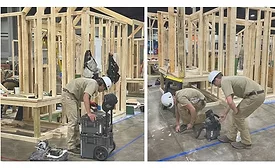
The Lowe’s Foundation will invest $250 million to train 250,000 trades workers by 2035, expanding efforts to address a nationwide skilled labor shortage.
The Labor Department is seeking a national contractor to expand AI training in apprenticeship programs, aiming to modernize workforce development and meet growing industry demand.
Grants to 15 nonprofits expand pre-apprenticeships, credentials and employer connections as demand grows for construction and skilled trades workers nationwide.
The Lowe’s Foundation is investing $10 million in nonprofits nationwide to expand hands-on training, credentials and career pathways for workers entering high-demand skilled trades.
Proposed rule would reinstate a streamlined economic reality test, with construction groups praising the shift and officials opening a 60-day public comment period.
The proposed rule would restore a streamlined economic reality test, with officials and industry groups citing clarity and flexibility for employers and independent workers.