New Industry Outlook Shows Contractors Expect a Boost from the Bipartisan Infrastructure Bill and Broad-Based Private-Sector Demand, Except for Retail and Office Construction, If They Can Find Workers and Materials
Construction contractors expect increasing demand for numerous types of projects in 2022 despite ongoing supply chain and labor challenges, as most firms plan to add workers this year.
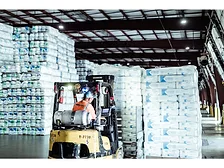
In response to the growing demand for sustainable, loose-fill insulation products, The Knauf Group, has increased production capabilities at its Albion, Michigan plant.
It is no secret that the U.S. is suffering from a post-pandemic labor shortage. The commercial construction industry was already suffering labor losses prior to Covid-19 and is finding it even more difficult now to attract skilled and general labor.
Nonresidential Construction Sector Has Yet to Hit Pre-pandemic Levels Amid Supply Chain Disruptions & Delays. Association Officials Noted that Supply Chain Problems and Materials Price Increases are Impacting Demand for Nonresidential Projects, Prompting Some Owners to Delay or Cancel Projects
The construction industry gained 22,000 jobs between August and September as nonresidential construction firms added employees for the first time in six months.
WITH A DWINDLING POPULATION IN EACH NEW GENERATION THAT SEEMS LESS AND LESS INTERESTED IN PURSUING A CAREER IN CONSTRUCTION, HAS NEW INDUSTRY TECHNOLOGY HELPED?
Now that the pandemic is turning a corner, the big question is whether employees should return to in-person workplaces. Even though there are definite benefits to distance working, many business leaders are short-sighted about this issue.
IF YOU’RE LOOKING FOR A SPEEDY CONSTRUCTION PROCESS, QUALITY CONTROL, DESIGN FLEXIBILITY AND A COST-EFFICIENT OPTION, PANELIZED EIFS MAY BE THE RIGHT CALL FOR YOUR NEXT PROJECT.
Prefabrication is undoubtedly changing the way construction professionals specify and build. While some GC’s and design professionals fear the process is complex, costly, and/or time-consuming, even more are enjoying its benefits, especially in terms of panelized EIFS façades.
During the past several years, there has been continuing concern about the scarcity of trade professionals. And how our industry can increase interest in careers within these professions. While many programs have been introduced to promote the home and building product channel as a viable — and rewarding — career path, these initiatives deserve further commitment.
As more Baby Boomers enter retirement, the need for skilled workers is increasing across the American economy. The construction industry is not immune. Add on the struggle with convincing young people that a college degree isn’t always the ticket to a good life and skilled trades are a viable career choice. How can the construction industry recruit good talent?