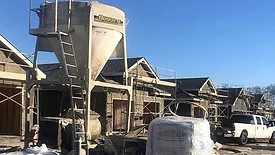
Articles Tagged with ''energy efficiency''

What to Consider When Selecting a Rainscreen
How to choose the right rainscreen system by considering climate, cladding compatibility, building codes, energy efficiency and ventilation to ensure long-term moisture control and building durability.
Read More


Rigid Insulation Market to See Strong Growth by 2031
The global rigid insulation market is poised for strong growth from 2025 to 2031, driven by rising demand for energy-efficient building materials, stricter environmental regulations, and expanding construction activities worldwide. A new report from QY Research outlines trends for the next six years.
Read More
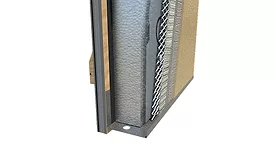
Continuous Insulation With Stucco: Benefits and Challenges
A detailed guide to using stucco in your CI installation
Read More


Project Profile
Curtainwalls Define Duquesne University’s College of Osteopathic Medicine
A system blends aesthetics, performance, sustainability with campus and community connection.
Read More

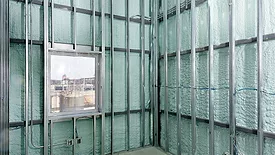
Decarbonization & Energy Independence
Why Building Insulation Is Key to Fighting Climate Change
Better insulation can help reduce fossil fuel use, lower emissions, and increase national energy security
Read More


Smarter, Stronger, More Efficient
How Next-Gen Materials Are Transforming Building Envelope Performance
Advanced housewraps, barriers, and insulation systems are redefining the building envelope—enhancing energy efficiency, improving indoor air quality, and strengthening structures against the demands of a changing climate.
Read More


How to Save on Tax and Energy With Ceiling Solutions
New phase change material technologies can deliver up to 15 percent energy savings and 50 percent in tax credits.
Read More


Air Barriers' Impact on Energy Use in a Building
Air barriers significantly reduce energy use in buildings by minimizing air leakage, debunking long-held myths about “breathable” buildings and demonstrating through research and field testing that airtight construction—when paired with proper ventilation—improves energy efficiency, durability, and indoor air quality.
Read More


Exterior Wall Assembly
Rainscreens Come of Age in North America
Once considered unconventional, rainscreen systems are now formally recognized in the International Building Code—marking a pivotal moment for resilient, energy-efficient building design.
Read More
