Walls & Ceilings logo
search
cart
facebook twitter linkedin youtube youtube Spotify Podcasts Apple Podcasts Spotify Podcasts Apple Podcasts
  • Sign In
  • Create Account
  • Sign Out
  • My Account
Walls & Ceilings logo
  • NEWS
  • TOPICS
    • Drywall
    • Stucco/EIFS
    • Ceilings
    • Steel Framing
    • Fireproofing
    • Interior Plaster
    • Building Envelope
    • Insulation
    • Technology
    • Interior
    • Exterior
    • Women In Construction
  • COLUMNS
    • Up Front
    • All Things Gypsum
    • Art & Craft of Plastering
    • Stucco Stop
    • Steel Deal
    • Industry Voices
  • PRODUCTS
    • Buzz Guide
  • EVENTS
    • Industry Events
    • Webinars
    • BUILD Expo
  • MEDIA
    • Videos
    • Podcasts
    • Photo Galleries
    • BUILD26 Videos
    • Take our Quiz!
    • Infographics
  • EXCLUSIVE
    • Newsletters
    • Top 50 Contractors
    • Contractor of the Year
    • State of the Industry
    • W&C Store
    • Market Research
    • CEUs
    • Sponsor Insights
    • Custom Content & Marketing Services
  • DIRECTORY
  • EMAGAZINE
    • eMagazine
    • Advertise
    • Archive Issues
  • SIGN UP!
Building EnvelopeInsulationStucco/EIFS

Creating Healthy Indoor Environments with Continuous Insulation

Having a “healthy building” leads to healthy occupants.
By Todd Gluski
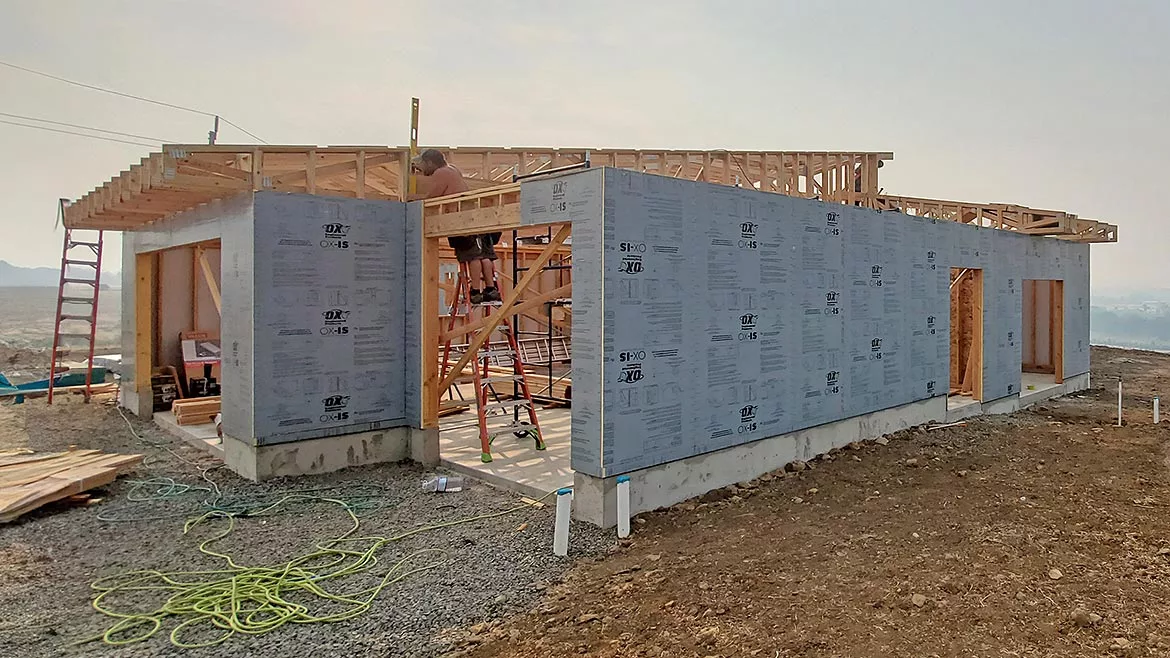
The frame of a new house with insulation installed
Images courtesy of OX Engineered Products.
January 13, 2025

A building’s indoor environment can shape the actions, health and productivity of its occupants. Considering that the average person spends 90 percent of their time indoors, this puts a high emphasis on ensuring that indoor spaces are healthy environments for all occupants. That is why builders and owners are faced with the important task of improving indoor air quality, temperatures, lighting and acoustics.

How do you define a “healthy building?” What does having one—or building one—really mean?

It starts with selecting building materials that prioritize the health and comfort of those inside. With materials like structural continuous insulation, building owners can guarantee a seamless thermal barrier, reducing heat transfer, minimizing the risk of a sick building and improving energy efficiency.

Thermal Efficiency and Weather Barriers

Continuous insulation minimizes thermal bridging, which occurs when heat is transferred through building materials, such as the studs. However, when installed continuously and properly, continuous insulation contributes to the overall tightness of a building envelope from a thermal perspective. This results in consistent indoor temperatures, reducing heat loss in the winter and minimizing heat gain in the summer.

Further, it helps maintain consistent indoor temperatures, reducing the need for excessive reliance on the HVAC system. A stable indoor temperature not only improves comfort, but also prevents the growth of mold and mildew, which thrive in environments with fluctuating temperatures that lead to condensation.

Systems like structural insulated sheathing have benefits beyond just enhancing thermal efficiency. The integrated structural continuous insulation is a four-in-one product that includes structural sheathing, continuous insulation, an air barrier and a water-resistant barrier. The system is designed to boost the performance of the building envelope and protect it from water intrusion.

Ultimately, these materials help meet today’s most stringent energy efficiency codes while simultaneously eliminating the need for additional materials, driving down overall construction project costs.

Thermal imaging of a home with continuous insulation A new home with insulation and windows installed

Crucial Moisture Control

Thermal bridging can create cold spots where condensation forms, leading to moisture-related problems. By minimizing or eliminating thermal bridging, continuous insulation significantly reduces the likelihood of condensation and moisture buildup within the wall assembly.

Continuous insulation provides a uniform barrier that reduces temperature differences across the building envelope, which helps to prevent the conditions that cause condensation. This also eliminates the risks posed by moisture via the material’s built-in air and water barrier. Ultimately, by controlling moisture levels, integrated continuous insulation materials maintain the structural integrity of the building and create benefits for the indoor environment.

In addition, structural continuous insulation systems can be seamlessly integrated with other building components, such as flashings and drainage planes. This integration is crucial for promoting proper drainage and ensuring that moisture does not penetrate into the wall cavity. By directing water away from the building envelope and preventing it from entering the interior, these systems play a vital role in maintaining the longevity and performance of the structure.

The Ideal Indoor Air Quality

In addition to providing thermal and moisture control, integrated structural continuous insulation materials significantly enhance the airtightness of a building envelope. By creating a barrier against air infiltration, the material minimizes the entry of outdoor pollutants, such as dust, pollen, mold spores and other airborne irritants. This airtight seal improves indoor air quality by reducing the presence of these contaminants and enhances the efficiency of the HVAC system.

With fewer drafts and less likelihood of uncontrolled air leaks, the HVAC system can maintain consistent indoor temperatures more effectively and with less energy, leading to a healthier indoor environment. By limiting the infiltration of external pollutants, continuous insulation helps to create a cleaner, more comfortable indoor space, reducing the risk of allergies and respiratory issues for occupants.

Healthier, More Sustainable Spaces

Designing healthy indoor environments is a necessity for the well-being and comfort of occupants. Integrated structural continuous insulation plays a critical role in achieving this through enhanced thermal efficiency, moisture control and improved air quality.

By embracing high-performance materials, such as structural insulated sheathing, building owners can meet stringent energy codes, reduce costs and, most importantly, foster healthier, more sustainable indoor spaces that enhance the quality of life for everyone inside.

KEYWORDS: CI (continuous insulation) IAQ (indoor air quality) moisture SIP (structural insulated panels) thermal bridging

Share This Story

Looking for a reprint of this article?
From high-res PDFs to custom plaques, order your copy today!

Wc0522 feat ox p4 author headshot todd gluski

Todd Gluski is the director of marketing for OX Engineered Products. He is a 16-year industry veteran with a vast knowledge of building science and product performance within the building envelope.

Recommended Content

JOIN TODAY
To unlock your recommendations.

Already have an account? Sign In

  • Abercrombie & Fitch

    EIFS in 2026: How Specialty Finishes Are Redefining Exterior Wall Systems

    As building codes, owner expectations, and design demands...
    Stucco/EIFS
    By: Regi Mendoza
  • proper air and vapor control

    From Energy Efficiency to Moisture Management: Why Air and Vapor Control Matter

    How proper air and vapor control within building...
    Building Envelope
    By: Benjamin Meyer AIA, LEED AP
  • Linear Metal Ceiling Beam Baffles

    Top 25 Ceiling Contractors of 2026

    Suspended ceilings demand precision, code compliance and...
    Ceilings
    By: John Wyatt and Tanja Kern
You must login or register in order to post a comment.

Report Abusive Comment

Manage My Account
  • eMagazine Subscription
  • Newsletters
  • Online Registration
  • Manage My Preferences
  • Subscription Customer Service

More Videos

Sponsored Content

Sponsored Content is a special paid section where industry companies provide high quality, objective, non-commercial content around topics of interest to the Walls & Ceilings audience. All Sponsored Content is supplied by the advertising company and any opinions expressed in this article are those of the author and not necessarily reflect the views of Walls & Ceilings or its parent company, BNP Media. Interested in participating in our Sponsored Content section? Contact your local rep!

close
  • medical professionals moving a patient on a stretcher through the halls of a medical building
    Sponsored byNational Gypsum Company

    What Does High Performance Mean When It Comes To Gypsum Boards?

Popular Stories

Linear Metal Ceiling Beam Baffles

Top 25 Ceiling Contractors of 2026

Wichita Biomedical Campus

Wichita Drywall Worker Dies After Scaffolding Fall

QXO Just Changed the Game-Here's What Contractors Are Asking

QXO Just Changed the Game-Here's What Contractors Are Asking

Less compound

Joint Compound Market to Reach $9.7B by 2033

Events

June 24, 2026

The Bright Side & Benefits of Designing with Integrated Lighting

Credits 1 AIA LU/HSW; 0.1 ICC CEU

This course will explore the pivotal role architects and lighting design play in creating safer, more sustainable spaces. Learn how to avoid common lighting mistakes and make informed decisions that create the best visual environment for occupants. 

January 1, 2030

Webinar Sponsorship Information

For webinar sponsorship information, visit www.bnpevents.com/webinars or email webinars@bnpmedia.com.

See our full library of webinars

View All Submit An Event

Products

2026 National Painting Cost Estimator

2026 National Painting Cost Estimator

See More Products

Related Articles

  • continuous insulation

    Four W's: Optimizing Wall Performance with Continuous Insulation

    See More
  • Meeting Energy Code Requirements with Continuous Insulation

    See More
  • A man installing an insulation panel

    Continuous Insulation and Code Requirements: How Codes Address Continuous Insulation

    See More

Related Products

See More Products
  • 978-0-7643-3022-3.jpg

    Award-winning Green Roof Designs: Green Roofs for Healthy Cities

  • business.png

    How to Succeed With Your Own Construction Business

See More Products

Related Directories

  • ATLAS Roof & Wall Insulation

    With decades of proven performance, Atlas EnergyShield continuous wall insulation provides an uninterrupted thermal barrier over an entire wall, not just in wall cavities between studs. Atlas polyiso creates a versatile, effective barrier for thermal, air, moisture, and vapor control. Whether building a single family home or a high-rise, Atlas EnergyShield wall insulation will meet energy codes and ensure the best building performance.
×

Connect with the industry’s leading resource for unparalleled insights and education.

Join thousands of industry professionals today. Shouldn’t you know what they know?

JOIN NOW
  • RESOURCES
    • Advertise
    • Contact Us
    • Directories
    • Store
    • Want More
  • SIGN UP TODAY
    • Create Account
    • eMagazine
    • Newsletters
    • Customer Service
    • Manage Preferences
  • SERVICES
    • Marketing Services
    • Reprints
    • Market Research
    • List Rental
    • Survey/Respondent Access
  • STAY CONNECTED
    • LinkedIn
    • Facebook
    • Instagram
    • YouTube
    • X
  • PRIVACY
    • PRIVACY POLICY
    • TERMS & CONDITIONS
    • DO NOT SELL MY PERSONAL INFORMATION
    • PRIVACY REQUEST
    • ACCESSIBILITY

Copyright ©2026. All Rights Reserved BNP Media, Inc. and BNP Media II, LLC.

Design, CMS, Hosting & Web Development :: ePublishing
