What’s New With Wildland-Urban Interface
Fire-hardening codes, standards development and gypsum products.
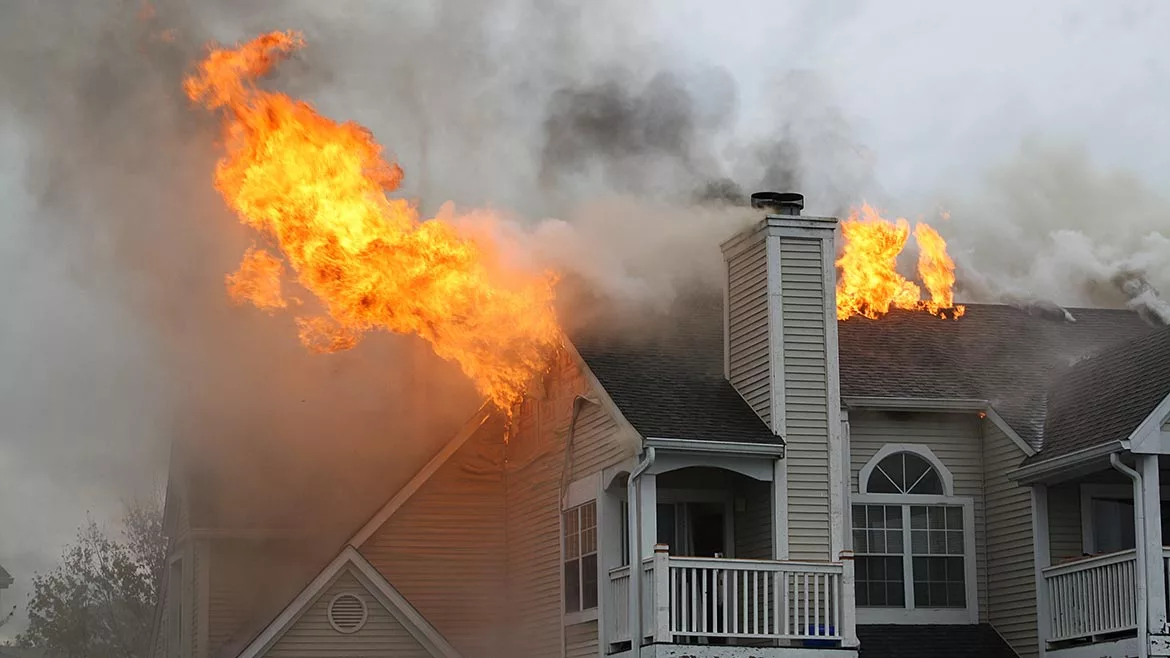
As wildfires continue to impact communities across the United States, it has become increasingly important for contractors to adapt to new regulations and building practices designed to enhance fire resilience. One key area that has seen increased attention is Wildland-Urban Interface (“WOO-eee”), the transition zone between wilderness and developed land. These zones, where urban development meets flammable wildlands, are at the highest risk of wildfire exposure. As such, building codes and regulations have evolved to address these risks, creating new opportunities and challenges for wall and ceiling contractors.
Understanding WUI
WUI refers to areas where developed human areas, such as homes and commercial buildings, meet with or are near wilderness/wildland areas prone to wildfires. Wildfires can spread from wildlands to urban areas very quickly, causing significant damage to both structures and natural resources. As development increases, the risk of wildfire damage rises, making it essential to address fire resilience through building practices and materials.
WUI zones exist across the country, particularly in areas with high wildfire risk, such as California, Oregon, Washington, and Colorado. Many of these states have implemented stringent fire codes and regulations that apply specifically to structures located in WUI areas. The International Wildland-Urban Interface Code is being adopted across the U.S., and these codes, including state and local codes are continually evolving to better mitigate the risks posed by wildfires. As WUI areas expand and more communities are built in these high-risk zones, building codes are becoming more rigorous, pushing for the use of necessary fire-resistant materials and construction methods.
.jpg "wildfire")
Photo: Quietfire | Adobe Stock
Fire Hardening & WUI
Fire hardening is the process of strengthening buildings to withstand exposure to wildfires via the use of fire-resistant/non-combustible materials to reduce the risk of ignition from embers, radiant heat, and direct flames. The primary goal of fire hardening is to protect the structure itself from catching fire, particularly from flying embers, which are one of the leading causes of ignition during wildfires.
For wall and ceiling contractors, fire hardening plays a critical role in the construction of buildings in WUI areas. In these regions, it is essential to integrate materials that can withstand the intense heat generated by wildfires. Materials such as gypsum sheathing are often specified in these areas due to their natural fire-resistant properties.
Fire Hardening: Gypsum Panels & Boards
Gypsum sheathing plays a crucial role in fire hardening, particularly in wall assemblies. Gypsum sheathing is highly valued for its fire-resistant properties. It has a non-combustible core, meaning it does not burn and can significantly delay the spread of fire in the event of a wildfire. This characteristic is critical in WUI areas, where the goal is to slow the spread of fire long enough for firefighters to intervene or for occupants to evacuate safely.
Fire hardening also focuses on minimizing the vulnerability of buildings to wildfire by considering both the structural elements and the exterior assemblies. Wall assemblies might include a layer of Type X gypsum sheathing , while other assemblies may use fire-resistant materials that meet Class A fire ratings. These materials help delay the spread of fire and provide an additional layer of protection for the structure.
In WUI zones, where wildfires are often accompanied by high winds and drought-like conditions, moisture-resistant materials are critical for maintaining the integrity of the building. Gypsum sheathing enhances moisture resistance, making it a strong product choice for use in WUI zones.
Fire Hardening: Codes & Standards
As the frequency and intensity of wildfires increase, so too do the regulations surrounding fire-resilient construction. Building professionals, including wall and ceiling contractors, must stay informed about the latest changes in building codes and fire-resistance standards. Multiple trade associations are working to develop new guidelines and standards to address the growing threat of wildfires as well. Among them:
- The International Code Council, along with the Insurance Institute for Business & Home Safety, is developing a new standard, ICC 605 Standard for Residential Construction in Regions with Wildfire Hazard, which provides guidelines for designing and constructing buildings in wildfire-prone areas. This standard will likely have a significant impact on the materials used in wall and ceiling assemblies, with a growing emphasis on fire-resistant and non-combustible materials and aims to become a code referenced standard soon.
- The Gypsum Association and the American Wood Council are closely monitoring these trends and working to develop literature for contractors and builders on how to build with fire-resistant and or non-combustible materials effectively in these high wildfire prone areas. Research and testing—to include wall and roof tests, where much of fire spreads—has been conducted to determine the effectiveness of materials such as Type X gypsum panels and other fire-resistant materials as a fire hardening method to prevent flame impingement and improving overall fire resilience.
- ASTM International Committee on Fire (E05) is working on developing new standards and test methods to assess the fire performance of building assemblies. One notable test method under development is for direct flame impingement on exterior wall assemblies, a critical factor in evaluating fire resistance in wildfire-prone areas.
The Benefits of Choosing Gypsum Sheathing for WUI Zones
The growing emphasis on fire-resilient building practices in WUI zones has led to a greater demand for fire-resistant materials, particularly gypsum panels. These materials offer several benefits:
- Natural Fire Resistance: Gypsum panels are inherently fire-resistant due to their mineral composition. The material has a high resistance to heat and can delay the spread of flames, giving occupants and firefighters more time to respond.
- Water Resistance: glass mat gypsum sheathing is resistant to the growth of mold, mildew, and other negative effects created following water exposure as defined by the IBC. In areas prone to moisture intrusion, it’s better to choose glass mat gypsum sheathing than an alternative that allows for the growth of mold and mildew.
- Cost-Effective Solution: Gypsum is a relatively affordable fire-resistant material compared to current market alternatives, making it an attractive choice for contractors working in WUI areas where building materials need to meet higher fire-resistance standards.
- Ease of Installation: Gypsum sheathing is widely available and easy to install, making it a convenient choice for contractors. This helps streamline the construction process, saving time and reducing labor costs.
As the threat of wildfires continues to grow, fire hardening practices using fire-resistant materials plays a vital role in protecting structures and occupants from the devastating effects of wildfires. For wall and ceiling contractors, an opportunity is presented to enhance the resilience of buildings in WUI areas by specifying and installing fire-resistant gypsum materials that comply with the latest codes and standards.
Through ongoing collaboration with trade associations, staying current with building codes, and using proven fire-resistant materials, contractors can help create safer, more resilient buildings in wildfire-prone areas.
Looking for a reprint of this article?
From high-res PDFs to custom plaques, order your copy today!